
Nigeria’s growing dependence on digital systems for governance and finance is coming under fresh pressure, as cybercriminals intensify attacks on government agencies and financial institutions, raising fears over the safety of sensitive election data and national infrastructure.
Recent reports indicate that hackers are no longer just probing systems for weaknesses but are actively locking organisations out of their own networks and demanding ransom payments. This development signals a dangerous shift in the country’s cyber threat landscape, with implications that go far beyond financial loss.

Rising Cyber Threats Put Election Integrity in Focus
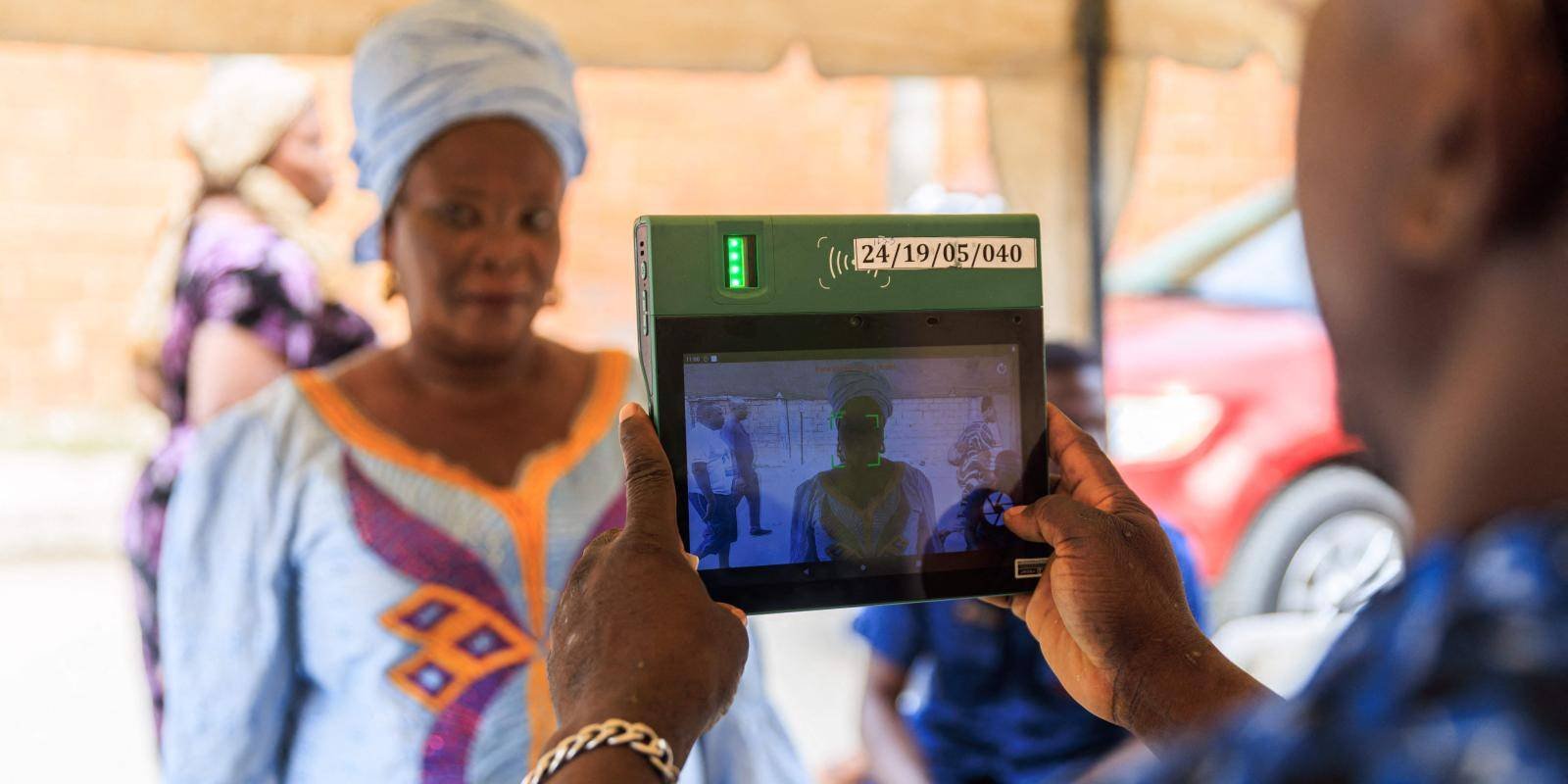
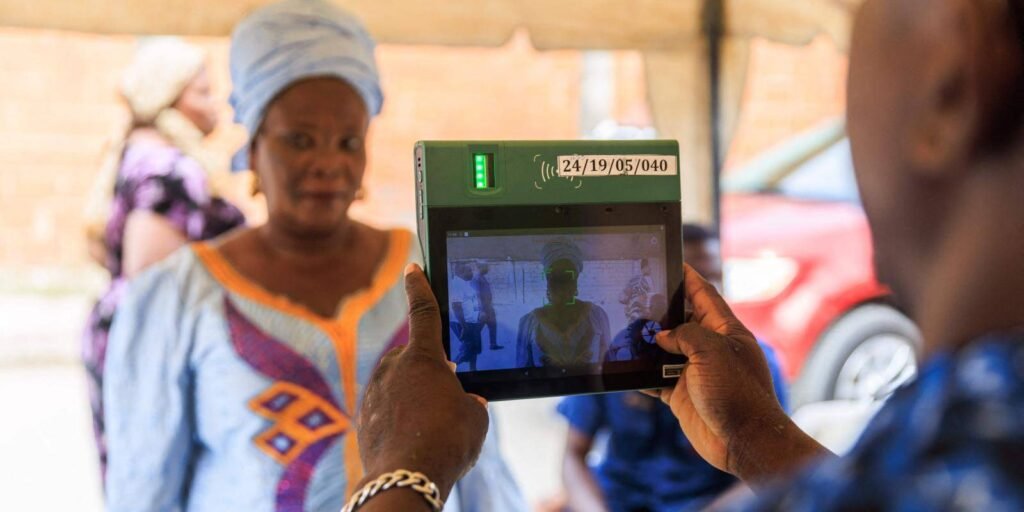
The increasing digitisation of Nigeria’s electoral process has improved efficiency but has also exposed critical systems to sophisticated cyber threats. Election databases, voter records and result transmission platforms are now prime targets for hackers seeking disruption or leverage.
Security analysts warn that the threat is not hypothetical. Nigeria has already experienced large-scale cyber intrusion attempts in past elections. During the 2023 general elections, authorities disclosed that electoral systems recorded millions of cyber attacks originating from both within and outside the country.
While those attacks were reportedly contained, experts say the current wave of ransomware activity represents a more aggressive and financially motivated evolution. Instead of merely attempting to breach systems, attackers are now encrypting data and demanding payment before restoring access.
This raises serious concerns about the integrity and availability of election data, especially in a country where public trust in electoral outcomes is often contested.
Government Agencies and Banks Under Siege
The cyber offensive is not limited to election-related systems. Government ministries, departments and agencies, as well as major banks, have increasingly become targets of coordinated attacks.
Financial institutions are particularly attractive because of the direct monetary gains involved. Globally, the banking sector has long been a prime target for cybercriminals, with organised groups deploying ransomware, phishing campaigns and malware to compromise systems.
In Nigeria, the situation reflects broader global trends where cybercrime syndicates operate like structured businesses, launching attacks, negotiating ransom payments and reinvesting proceeds into more advanced tools.
The impact of such attacks can be immediate and far-reaching. Systems may be shut down, transactions disrupted and sensitive customer data exposed. In severe cases, institutions may be forced to halt operations temporarily, leading to financial losses and reputational damage.
For government agencies, the stakes are even higher. A successful breach could compromise national security data, disrupt essential services or interfere with democratic processes.

Ransomware: A Growing National Security Threat
Ransomware attacks have become one of the most disruptive forms of cybercrime globally. Unlike traditional hacking, which often focuses on stealing data, ransomware locks organisations out of their systems entirely.
Victims are then forced to choose between paying a ransom and risking permanent data loss and operational paralysis.
Studies show that ransomware incidents can trigger cascading effects beyond the immediate target, affecting citizens who rely on those services. For example, disruptions in banking systems can prevent access to funds, while attacks on government infrastructure can delay critical services.
In Nigeria, where digital transformation is accelerating across both public and private sectors, the potential impact is significant. From tax systems to identity databases and electoral platforms, many critical services now depend on interconnected digital infrastructure.
Experts warn that without robust cybersecurity frameworks, these systems remain vulnerable to exploitation.
Weak Defences and the Urgent Need for Resilience
Despite growing awareness, cybersecurity preparedness across many Nigerian institutions remains uneven. Analysts point to outdated infrastructure, limited funding and a shortage of skilled professionals as key challenges.
Cyber attacks on critical national infrastructure can have devastating consequences, including economic losses, disruption of essential services and erosion of public trust.
The situation is further complicated by the global nature of cybercrime. Attackers can operate from anywhere in the world, making it difficult to track and prosecute them. This requires not only local solutions but also international collaboration.
To address these risks, experts recommend a multi-layered approach that includes:
- Strengthening cybersecurity policies and enforcement
- Investing in modern security technologies
- Training personnel to detect and respond to threats
- Conducting regular vulnerability assessments
- Enhancing collaboration between the government and the private sector
There is also a growing call for proactive measures, such as threat intelligence sharing and real-time monitoring of critical systems.
Safeguarding Nigeria’s Digital Future
As Nigeria continues its digital transformation journey, the need to secure its cyber environment has never been more urgent. The convergence of election systems, financial services and government operations on digital platforms creates both opportunities and vulnerabilities.
Failure to address these risks could undermine not only economic stability but also democratic processes.
Cybersecurity is no longer just a technical issue. It is now a matter of national security, public trust and institutional credibility.
For Nigeria, the path forward will depend on how quickly and effectively it can adapt to the evolving threat landscape. Protecting election data, securing financial systems and strengthening government infrastructure must become top priorities.
The stakes are high, and the cost of inaction could be far greater than the investment required to build a resilient digital ecosystem.
Join Our Social Media Channels:
WhatsApp: NaijaEyes
Facebook: NaijaEyes
Twitter: NaijaEyes
Instagram: NaijaEyes
TikTok: NaijaEyes