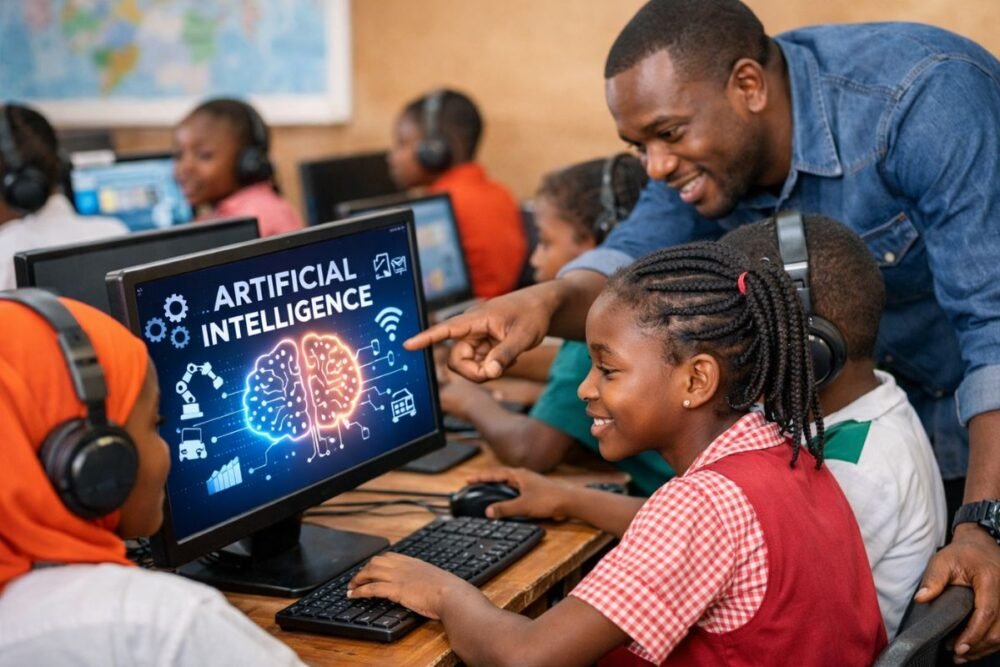

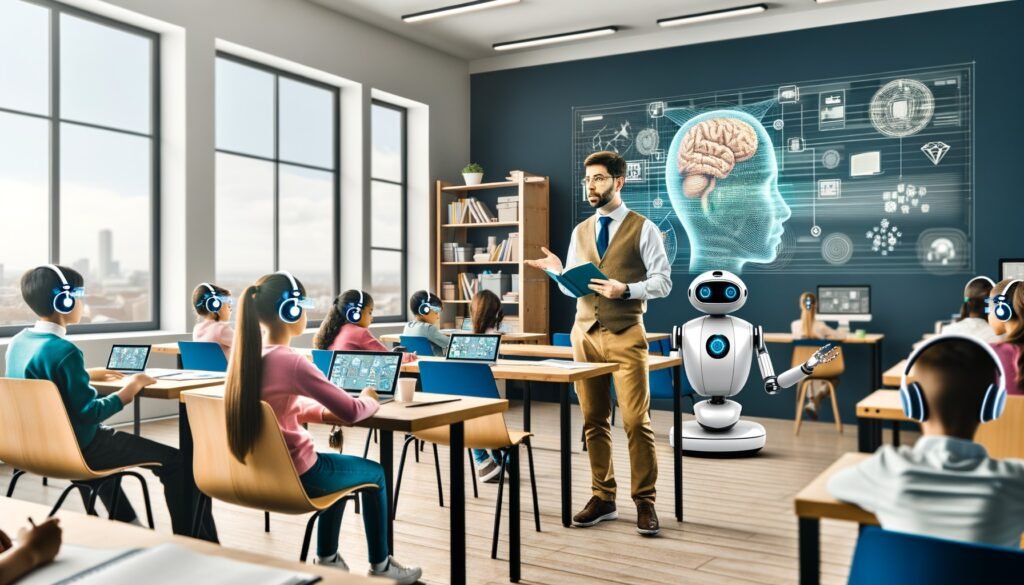
Schools are being urged to limit students’ use of artificial intelligence because learners must develop the ability to think, write and solve problems independently.
The debate is not whether AI belongs in classrooms, but which tasks students should complete without it. Nigeria’s National EdTech Strategy sets clear safeguards for educational AI and emphasises independent reasoning and examination integrity.
Experts want students to think before prompting
An October 2026 consensus report involving 30 learning scientists and education researchers across K-12 and higher education assessed 65 learning processes and reached agreement on 42. It recommends students attempt independent thinking, drafting or problem-solving before consulting generative AI. It proposes staged access, allowing learners to establish foundational knowledge before using AI tools. The authors caution that the evidence base remains thin.
The experts do not call for a blanket ban. AI can reinforce knowledge through quizzes and feedback, but should not replace initial learning. “Cognitive offloading” describes the risk of allowing a tool to perform mental work students need to practise.
Also Read: Nigeria’s Free Education Data: What Can 100MB Really Buy?
Evidence favours boundaries over blanket bans
A November 2026 Stanford review examined 52 causal studies. It found AI was more likely to support learning when used to explain material than produce assignments, although neither approach consistently improved outcomes. Evidence from school-age classrooms remains limited: only five of the added student-facing studies were conducted in US K-12 settings.
A US RAND survey of 1,214 young people aged 12 to 29 found AI homework use rose from 48 per cent in May 2025 to 62 per cent in December. In the later survey, 67 per cent believed greater AI use for schoolwork would harm critical thinking. These are perceptions, not proof of measured learning decline.
Nigeria’s policy points towards supervised use
Nigeria’s National EdTech Strategy, dated October 2026, permits educational AI under governance safeguards. It calls for age-appropriate AI literacy, learner-data protection, teacher oversight and assessments distinguishing AI-permitted tasks from those requiring independent competence. It says identifiable learner data should not be entered into public AI tools and teachers must verify generated material.
At a Lagos forum in October, Wholesome Character called for teacher training and policies to protect examination integrity, citing concerns about AI being used to circumvent assessment rules. Adeoba warned unequal access could widen education gaps. The sources reviewed do not establish how widely Nigerian pupils use AI or how it affects learning.
Back Story: Why schools are introducing restrictions
UNESCO’s 2023 guidance urged governments to regulate educational AI, protect privacy, train teachers and set a recommended minimum age of 13 for classroom use. In September 2026, New York City announced a one-year moratorium on student-facing generative AI for pupils from 2-K through Grade 8, while allowing limited high-school pilots.
These examples show restrictions can be targeted by age, task and risk. Nigerian schools need clear rules on when AI may assist, when independent work is required and how teachers check understanding. The aim is to prepare students to use AI critically without allowing it to replace learning.
Also Read: What Parents Should Know Before Allowing Children to Use AI Homework Assistants