
Nigeria is steadily embracing digital education. From computer-based examinations to smart classrooms, online learning platforms and digital literacy initiatives, schools across the country are investing in technology to prepare students for a changing world. Yet as this transformation gathers pace, education experts say Nigeria has a valuable opportunity to learn from a lesson that is unfolding in the United States.
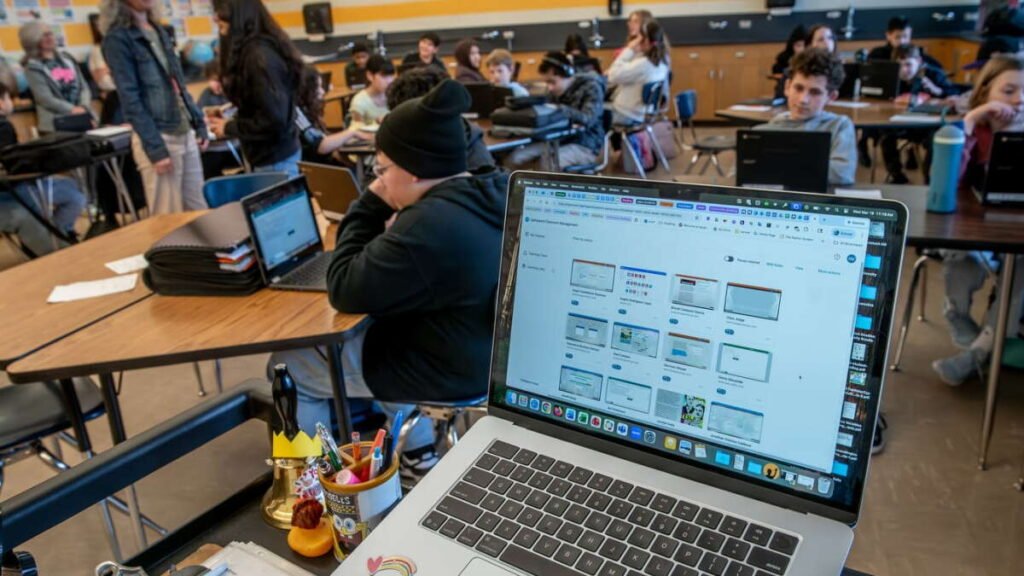
Across many American schools, there is growing concern that the widespread rollout of Chromebooks and other digital devices has not delivered the academic gains many expected. Instead, several school districts are scaling back their reliance on laptops after discovering that excessive screen time, classroom distractions and poor implementation often outweighed the promised benefits.
For Nigeria, where governments at different levels are investing in digital classrooms and technology-driven learning, the message is simple. Buying thousands of devices is only one part of educational reform. Without trained teachers, reliable infrastructure and clear learning goals, technology alone cannot improve education.
Technology Should Support Teaching, Not Replace It
For years, American schools distributed millions of Chromebooks with the hope that every student having a personal computer would improve learning. The approach accelerated during the COVID-19 pandemic when remote education became essential.
However, many schools later discovered unintended consequences. Students increasingly became distracted by games, social media and video streaming. Teachers also struggled to manage classrooms where screens often competed with lessons for students’ attention. Some schools have since restricted laptop use to specific classroom activities while returning to handwritten notes and traditional teaching methods for much of the school day.
The experience highlights an important lesson for Nigeria.
Technology works best when it strengthens teaching rather than becoming the centre of education itself. Digital devices should help teachers explain concepts better, give students access to quality learning materials and improve collaboration. They should never replace sound teaching practices or meaningful interaction between educators and learners.
Education specialists also argue that successful digital learning depends less on the number of devices distributed and more on how teachers use them in classrooms. Countries that achieve better outcomes often invest heavily in teacher training, curriculum design and continuous technical support alongside new technology.
Nigeria Must Build Around Local Realities
Nigeria’s education system presents unique challenges that differ significantly from those in developed countries. Many schools still face unstable electricity, limited internet access, overcrowded classrooms and shortages of qualified teachers.
Experts say these realities mean digital education policies must be designed around local conditions rather than copied from foreign models. Several Nigerian education analysts have warned that many digital learning solutions are created without fully understanding the everyday experiences of teachers, school administrators and parents. As a result, some platforms become difficult to use or fail to address real classroom needs.
Another concern is infrastructure.
Reliable broadband, affordable internet access and dependable electricity remain uneven across many communities, particularly in rural areas. Rolling out thousands of laptops without addressing these basic challenges could leave expensive equipment underused or completely idle.
Policy experts have also noted that Nigeria’s digital education ambitions often suffer from fragmented implementation, with coordination challenges between federal and state authorities slowing progress. Stronger planning and accountability will be necessary if future investments are to deliver measurable improvements in learning outcomes.
Instead of measuring success by the number of devices distributed, experts suggest governments should evaluate whether students are actually learning better, whether teachers feel confident using digital tools and whether schools can maintain the equipment over the long term.
Back Story
According to UNICEF, Nigeria has made digital education a central part of its education reform agenda. Initiatives promoting digital literacy, online learning platforms, computer-based testing and smart classrooms continue to expand across schools and tertiary institutions. Programmes such as the Nigeria Learning Passport have also increased access to digital educational resources for hundreds of thousands of learners, particularly in underserved communities.
At the same time, education stakeholders continue to caution that infrastructure gaps remain significant. Teacher organisations have warned that many schools are not yet fully prepared for nationwide digital examination systems because of inadequate connectivity, limited ICT skills and insufficient equipment.
The United States is now providing an important case study for countries like Nigeria. After years of investing billions of dollars in classroom technology, some American schools are reassessing whether constant access to laptops actually improved academic performance. Their experience suggests that successful digital education depends not simply on putting devices into students’ hands but on thoughtful implementation, teacher preparedness and balanced classroom practices.
Nigeria Has a Chance to Get It Right
Nigeria does not need to abandon digital classrooms. On the contrary, technology remains one of the country’s strongest opportunities to improve educational access, expand learning resources and prepare young people for an increasingly digital economy.
The challenge is ensuring that technology serves education rather than distracting from it.
As governments continue investing in digital learning, every new device should be matched with teacher training, curriculum improvements, maintenance plans and policies that encourage responsible use. Schools should also prioritise solutions that work in environments with limited internet connectivity and inconsistent electricity.
The country’s growing investment in education technology can deliver lasting benefits if decisions are guided by evidence instead of enthusiasm.
America’s Chromebook experience is not a warning against innovation. It is a reminder that successful education reform depends less on the technology itself and more on how people use it. Nigeria now has the advantage of learning from that experience before scaling its own digital classrooms, potentially avoiding costly mistakes while building a stronger and more effective education system for future generations.
Also Read: Why Schools Should Lead AI Education Instead of Banning Technology