
U.S.-Iran Tensions Rise as Trump Orders Massive Naval Fleet Toward Iran
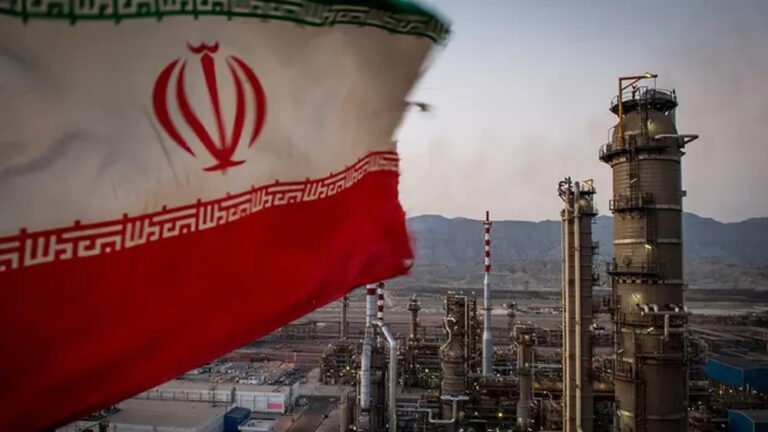
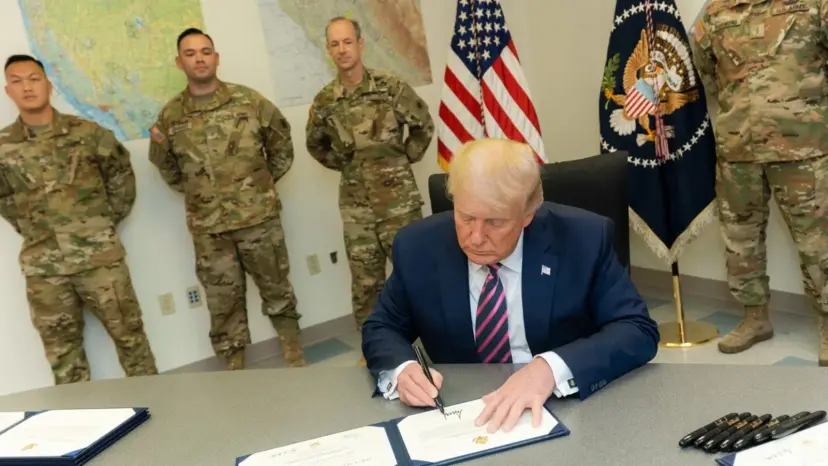
United States President Donald Trump has ordered what he described as a massive United States naval force to move toward Iran, even as he suggested the deployment may not eventually be used. The move has further heightened tensions amid growing diplomatic and security concerns between the two countries.
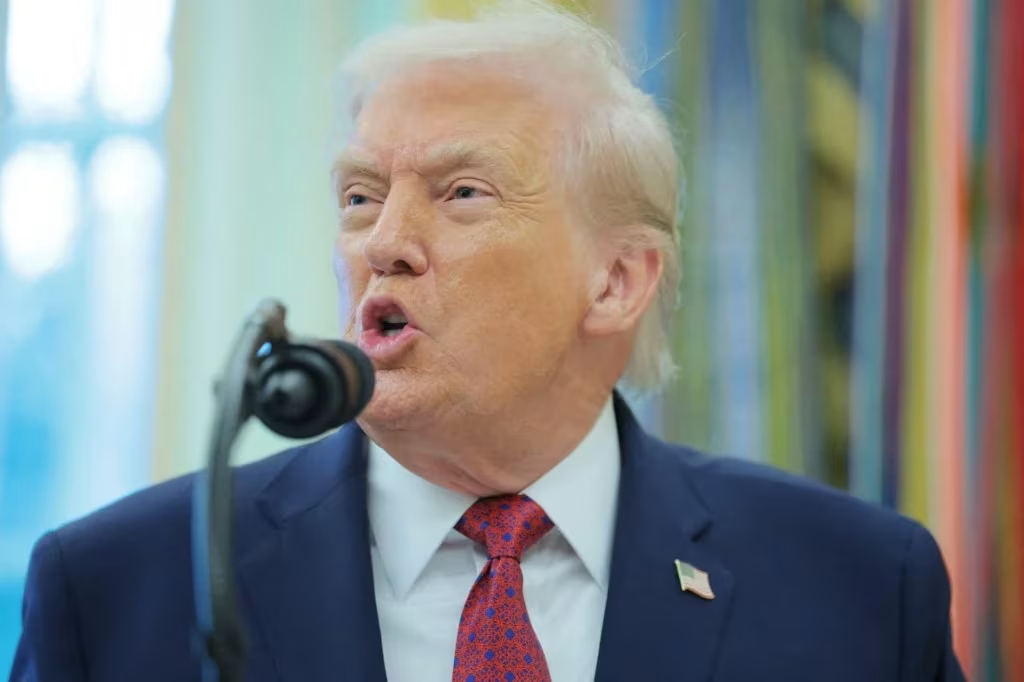
Speaking to reporters aboard Air Force One while returning from Davos after attending the World Economic Forum, Trump said the naval deployment was a precautionary measure. “We have a lot of ships going that direction just in case. We have a big flotilla going in that direction. And we’ll see what happens,” he said.
Trump again emphasized the scale of the operation while leaving room for de-escalation. “We have an armada. We have a massive fleet heading in that direction, and maybe we won’t have to use it. We’ll see,” the president added, as US-Iran tensions continue to dominate global attention.
The latest development comes days after Mohammad Pakpour, chief commander of Iran’s Islamic Revolution Guards Corps, issued a strong warning to the United States and Israel. He urged both countries to “refrain from any miscalculation” to avoid what he described as a more painful and regret-inducing fate.
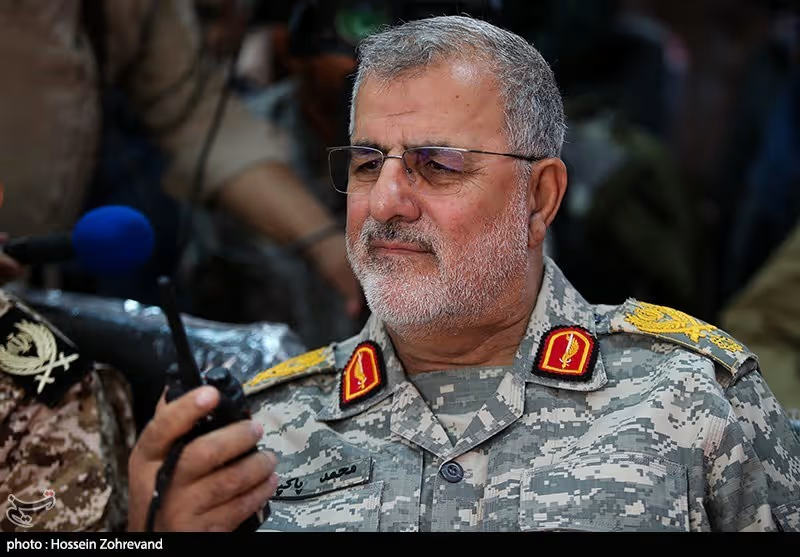
Pakpour further stated that Iranian forces had their “fingers on the trigger” and were more prepared than ever. He said they were ready to carry out any directive from Iran’s Supreme Leader Ayatollah Ali Khamenei if provoked.
Fears of possible United States military action against Iran intensified during the December to January protests in Iran. This followed comments by Trump threatening intervention if Iranian authorities used force against protesters, further escalating the tensions between them.
The US leader repeatedly called on Iranians to take over institutions if possible, claiming the United States was “locked and loaded” to protect protesters. These remarks were strongly condemned by Iranian authorities.
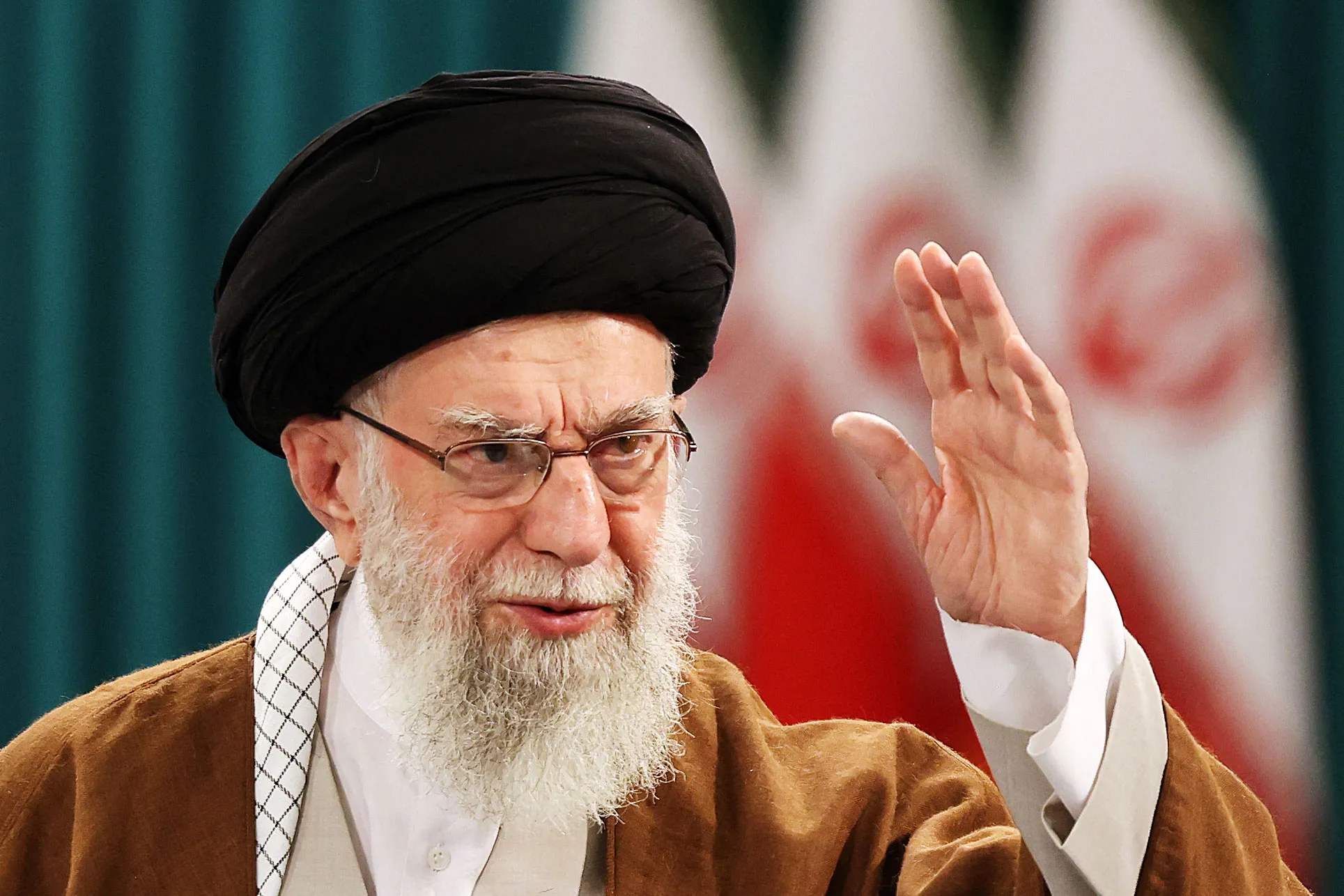
Furthermore, Iranian officials have accused the United States and Israel of fueling the violence during the nationwide protests. Foreign Minister Seyed Abbas Araghchi said US threats against Iran “gave plotters an incentive” to pursue what he described as a strategy of maximum bloodshed.
In a televised address last Saturday, Ayatollah Khamenei blamed Trump directly for the crisis. He said he considers “the U.S. president a criminal for the casualties, damages, and slander he inflicted on the Iranian nation.”
According to Iran’s state television station IRIB, 3,117 people were killed during the unrest. The report said 2,427 of the victims were classified as innocent civilians and security forces.
The stability of the Middle East remains fragile, as the pause in the Gaza war had offered temporary relief. However, with the rising US-Iran tensions and the possibility of military action, the future of the region remains uncertain.