

Investors in global markets are showing a fresh change in thinking as nerves rise about the future of big technology stocks. Recent trading patterns suggest that financial backers are moving money out of high-priced tech giants and turning attention to smaller, cheaper companies and more traditional industries. This trend is a sign that many investors want to protect their portfolios from volatility and risk rather than chase fast growth at any cost.
The mood in share markets has shifted noticeably since the start of the year. Long-admired tech companies that dominated market gains, particularly those tied to artificial intelligence or cloud computing, are not leading rallies as they used to. Instead, stock indices that measure smaller firms have been among the strongest performers. For example, a key index tracking small and medium-sized companies in the United States leapt by over three percent in recent trading, outpacing major market averages.
This behaviour shows that investors are questioning how much they should rely on the so-called hyperscalers: massive firms that invest heavily in artificial intelligence and other frontier technologies. The shift reflects a growing nervousness about future profits from those big spending plans.
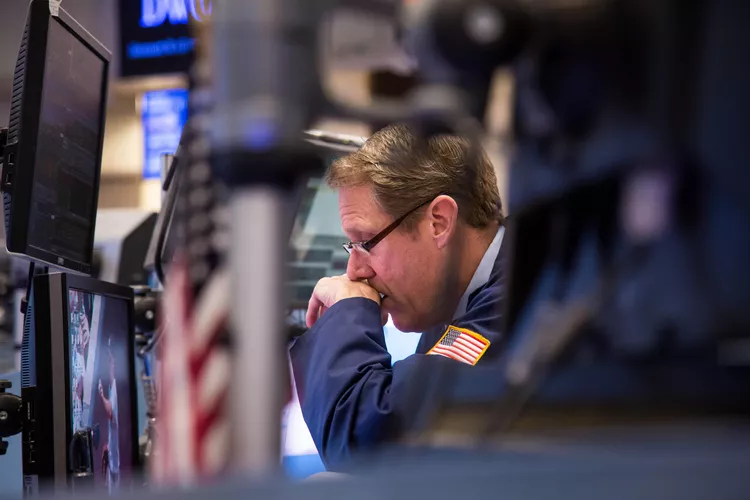
Why Bigger Tech Is Losing Some Appeal
Over the past few weeks, traditional technology stocks have experienced a rocky run. Once seen as the engines of market growth, they have sometimes recorded sharp falls. A particularly striking example is how software and tech-related shares shed significant value, knocking trillions off their combined market worth within a single week of trading.
Those results have made even seasoned fund managers rethink the place of mega capitalisation technology names in balanced portfolios. Some industry analysts are concerned about the heavy investment these firms are making into new technology without clear short-term returns. The fears are that while heavy spending on infrastructure and research might pay off in the long run, it makes future earnings uncertain.
At the same time, there has been a noticeable resurgence in demand for shares of smaller companies that operate in sectors such as healthcare, industrials, energy and materials. Historically, these sectors tend to be more tied to broader economic activity and less sensitive to speculative investor behaviour. As money flows into these areas, they have shown solid performance compared with the tech-centric part of the market.

Investors Seek Shelter from Volatility
Part of this shift in investment behaviour can be traced to a broader sense of caution among global financial players. Markets have experienced greater volatility lately with sharp ups and downs in asset values across a range of industries. In times like this, it is not unusual for investors to take a defensive stance. Many have adopted strategies that preserve capital rather than chase high growth.
For example, stocks that pay steady dividends or those that are part of equal-weighted indexes have attracted fresh interest. These types of investments are seen by some traders as safer bets during uncertain times because they do not rely on exponential future growth to justify their prices.
This cautious repositioning is not limited to equities alone. Investors have also looked to other asset classes such as precious metals and even cryptocurrencies, although digital currencies like Bitcoin have shown their own swings, dipping to lows before partly recovering.
Experts say this search for stability reflects a broader desire for resilience in portfolios. The goal for many now is to diversify across a wider range of sectors and to avoid holding too much of any single hot asset class that could suddenly lose favour.
What This Means for the Future of Investing
So what does this shift mean for investors and markets going forward? Analysts believe the current environment could signal a more structural change in how capital is allocated across industries.
Instead of a market where a small group of high-growth technology companies dominate performance, we could be entering a period where returns come from a broader set of industries. This change would be welcomed by those who feel that the prior tech-driven boom left too many other valuable sectors behind.
However, caution still runs deep. Some market watchers warn against overinterpreting short-term rebounds in stock prices and urge investors to stay alert to ongoing uncertainties. Despite the recent gains for smaller companies and traditional sectors, questions remain about how much further large technology firms will fall and when they might regain leadership. Many investors are still watching closely to see how earnings, spending and economic data evolve in the coming months.
In markets, sentiment can change quickly. What looks like a clear rotation towards less risky assets today could shift as new information and corporate results roll in. That is why many investors are taking a balanced and flexible approach, keeping some exposure to fast-paced innovation while securing holdings in industries that pay dividends and are less likely to be disrupted.

For ordinary investors in Nigeria and beyond, the lesson is clear. In times of uncertainty, diversification and understanding the long term prospects of different sectors matter more than ever. While big technology names will always draw attention, sometimes the smartest moves are the ones that protect wealth and spread risk wisely across a range of opportunities.
Overall, this moment looks like a turning point in investor behaviour as confidence in rapid tech growth softens. Markets may be poised for a wider distribution of gains across many corners of the global economy, moving away from a focus on a handful of mega companies and toward a richer investment ecosystem where smaller and more affordable stocks play a leading role.
Join Our Social Media Channels:
WhatsApp: NaijaEyes
Facebook: NaijaEyes
Twitter: NaijaEyes
Instagram: NaijaEyes
TikTok: NaijaEyes