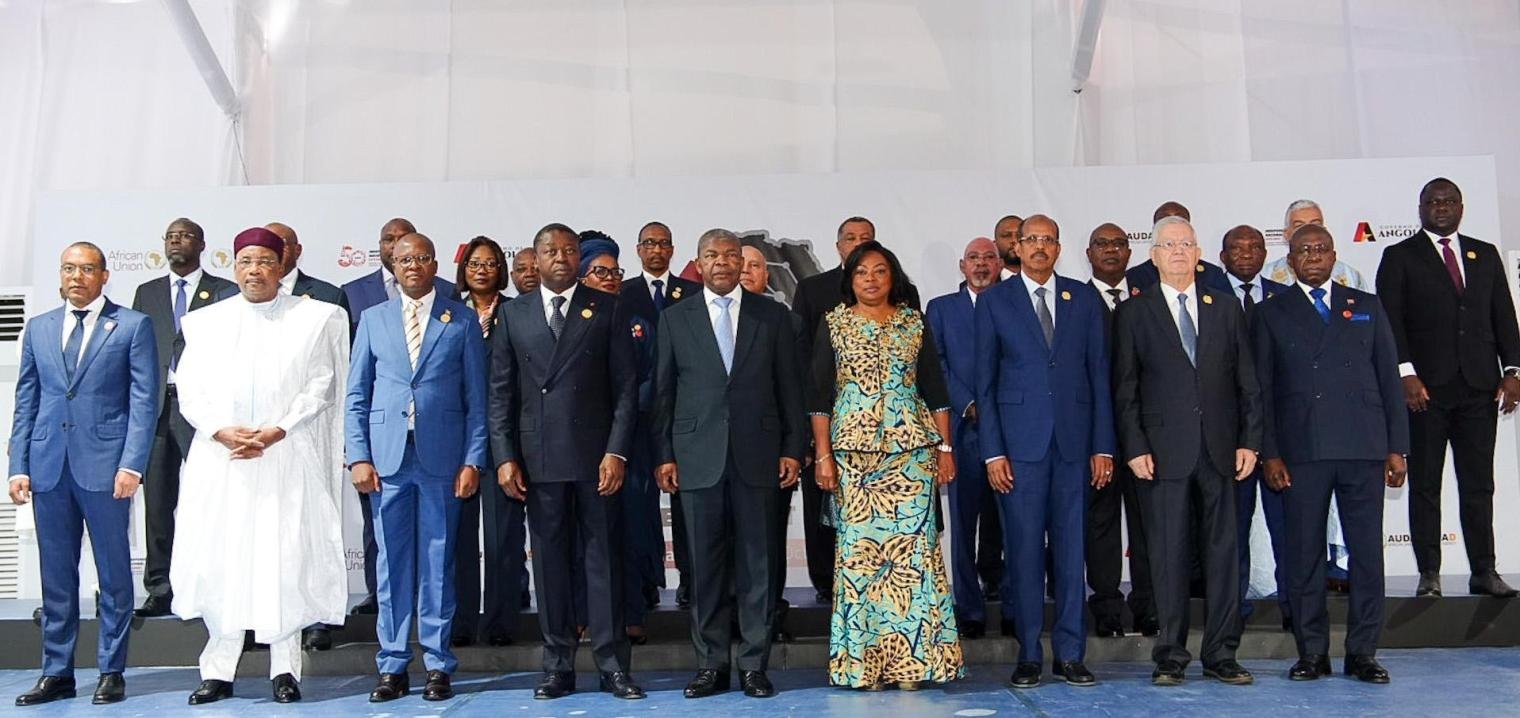

In a powerful demonstration of commitment to the future of Africa’s children, education, health and development leaders wrapped up the 11th African Day of School Feeding with a resounding call for more coordinated investment in school feeding programmes linked closely with water, sanitation, nutrition and child wellbeing. The event placed particular emphasis on how strategic spending in these sectors can transform learning outcomes and human capital development across the continent, according to the African Union.
Held under the theme “Ensuring Access to Nutritious Meals, Clean Water and Hygiene: Promoting Safety and Resilience in Every School Meal Investment”, the gathering brought together ministers, civil society leaders, private sector stakeholders, youth representatives and researchers from across the African Union’s membership. Their shared message was simple but profound: nourishing a child means much more than feeding them one meal.
The week-long event aligned with the African Union’s broader agenda for 2026, which prioritises sustainable water access and improved sanitation systems as central pillars for development. This convergence underlines the necessity of bridging education, health, agriculture and water sectors to achieve more sustainable and inclusive growth.
A Unified Vision for Children’s Nutrition and School Participation
Over recent years, African nations have made notable strides in institutionalising school feeding programmes. More than three out of every four programmes now receive the bulk of their funding from domestic sources, a sign of growing national ownership and financial commitment. Thirty-five countries have even established dedicated budget lines specifically for school meals. These developments reflect a wider understanding that school feeding is not merely an education initiative but a multisectoral investment that touches on health, agriculture, gender equality, and food security.
Yet participants at the recent event were clear that progress must accelerate. School feeding schemes work best when they are part of integrated systems that include clean water, safe sanitation facilities, nutritious food and supportive learning environments. Delegates highlighted that without secure access to clean water and proper sanitation, children’s health and ability to learn are undermined, eroding the benefits that school meals are meant to bring.
The event’s official communique, known as the Gaborone Call to Action, calls on member states to champion such integrated models and to institutionalise “home-grown” school feeding approaches that link directly with local agriculture and smallholder farmers, especially women. This approach not only feeds children but builds stronger local economies and more resilient food systems.

Linking Clean Water, Hygiene and Education for Long-Term Gains
A recurring theme throughout deliberations was the need to strengthen cross-sectoral coordination. Ministries responsible for education, agriculture, health, water and sanitation, social protection and finance were repeatedly urged to work together more closely. Improved data systems, accountable oversight and better research were identified as essential tools for steering policy and investment decisions.
Delegates also pointed to the impact of school meals on gender equality and social inclusion. In particular, nutrition and clean water access help reduce absenteeism among adolescent girls, especially during menstruation, by improving dignity and attendance. Special attention was also given to ensuring that children with disabilities, refugees and those from marginalised communities benefit fully from these services.
Private sector actors, development partners and financial institutions were encouraged to align their support with nationally led priorities, while research institutions were called upon to generate evidence and new innovations that enhance programme effectiveness and scalability.
A Testament to Pan-African Commitment and Future Challenges
The event in Botswana is part of a broader continental movement rooted in the African Union’s Agenda 2063, a strategic framework designed to achieve inclusive growth and sustainable development across Africa. School feeding is viewed as a key driver of human capital development, contributing to better health outcomes, increased school attendance and stronger community resilience.
Despite notable achievements, challenges remain. Funding gaps persist, particularly for complementary services like water infrastructure and hygiene facilities. Many programmes still lack robust monitoring and evaluation systems, making it difficult to gauge impact and direct investments strategically. Emergency situations and conflict further disrupt efforts, leaving some children far from the benefits that integrated school meals can provide.
Nonetheless, the commitment expressed in the Gaborone Call to Action reflects a growing consensus that Africa can and must invest more ambitiously in the well-being of its children. By linking nutrition with broader development goals, leaders are signalling that school feeding is a cornerstone of future economic and social progress.
The 11th African Day of School Feeding concluded with a unified message: every child deserves nutritious meals, safe water, and a quality learning environment. Realising that vision will require persistent effort, sustained funding and deep collaboration across sectors and borders. But with continued momentum and shared resolve, stakeholders believe the continent can build a healthier, more educated and more prosperous generation.
Join Our Social Media Channels:
WhatsApp: NaijaEyes
Facebook: NaijaEyes
Twitter: NaijaEyes
Instagram: NaijaEyes
TikTok: NaijaEyes
READ THE LATEST EDUCATION NEWS