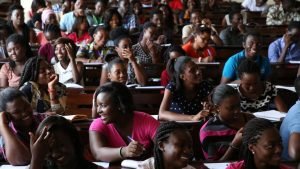
Nigeria’s Federal Government has announced a sweeping policy that will halt the establishment of new tertiary institutions across the country for the next six years, a move authorities say is aimed at improving the quality, sustainability, and effectiveness of existing universities, polytechnics, and colleges of education.
The decision represents one of the most significant shifts in Nigeria’s higher education policy in recent years. With hundreds of institutions already operating across the country, policymakers argue that the current priority should be strengthening infrastructure, academic standards, and funding in the existing system rather than expanding it further.
Education experts, university administrators, and students have reacted with mixed views. While some believe the policy could improve academic standards and address long-standing challenges in the sector, others worry about its potential impact on access to higher education in a country where millions of young people seek university admission every year.
The announcement has immediately sparked nationwide debate about the future direction of tertiary education in Nigeria and what it means for the country’s growing population of young learners.
Government Explains Reason for the Six-Year Ban
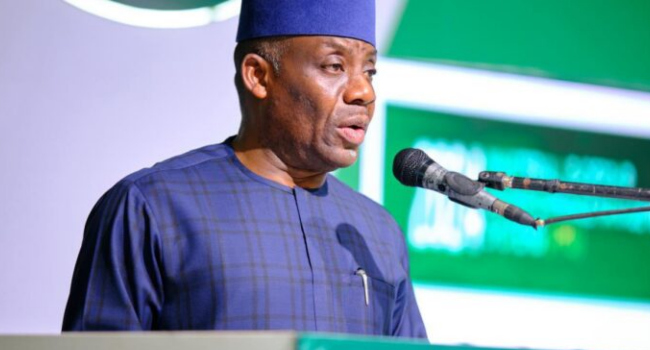
The Federal Government said the moratorium on new tertiary institutions was introduced to stabilise and strengthen the higher education sector. According to officials, the proliferation of universities, polytechnics, and colleges of education in recent years has placed enormous pressure on available resources, infrastructure, and qualified academic staff.
Authorities explained that many institutions currently struggle with inadequate funding, poor facilities, and staffing shortages. By halting the creation of new ones, the government hopes to channel resources toward improving the quality of existing institutions.
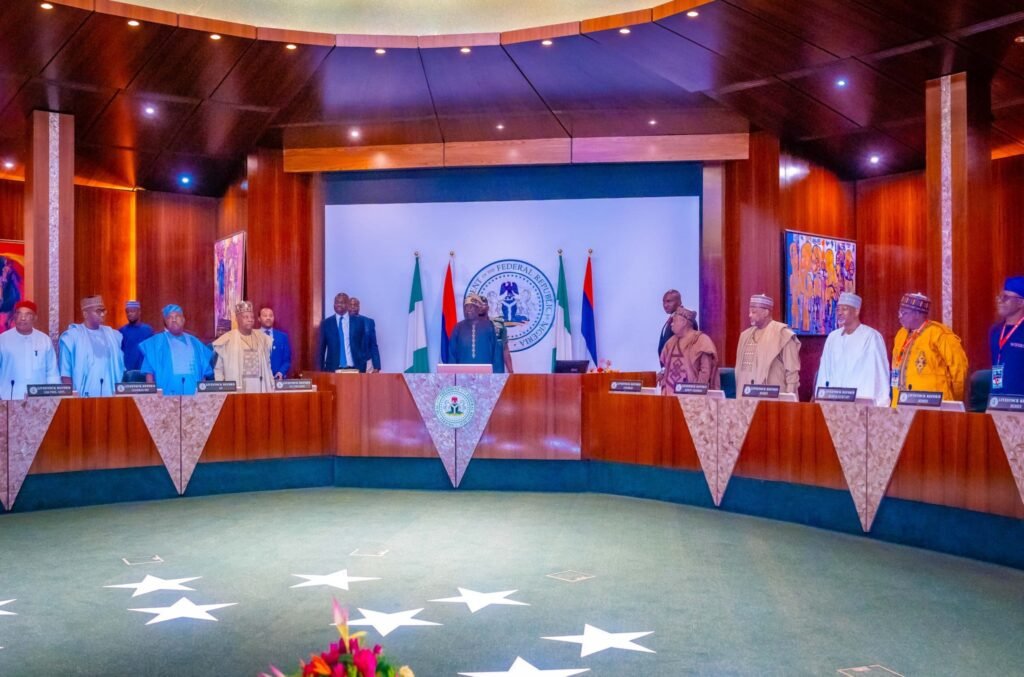
Reports indicate that the policy was approved at the federal level as part of a broader strategy to reform Nigeria’s tertiary education landscape. The ban covers the establishment of new universities, polytechnics, and colleges of education across the country.
Officials believe that strengthening existing institutions will help address concerns about declining academic standards, overcrowded lecture halls, limited research funding, and inadequate teaching facilities in many parts of the country.
The government also emphasised the need to ensure financial sustainability. Maintaining tertiary institutions requires significant public investment, including infrastructure development, staff salaries, research funding, and student services.
By focusing on improving the institutions already in existence, policymakers argue that Nigeria can build a stronger, more competitive higher education system capable of producing globally competitive graduates.
Nigeria’s Rapid Expansion of Universities and Colleges
Nigeria’s tertiary education sector has experienced rapid expansion over the past two decades. Both federal and state governments, as well as private investors, have established numerous institutions to meet the rising demand for university education.
This expansion has been driven by several factors. One of the most important is the growing population of young Nigerians seeking admission into universities every year. The country’s youth population continues to grow, creating strong demand for more higher education opportunities.
Another factor has been political pressure. Lawmakers and state governments have often pushed for new institutions in their regions as a way to promote development and improve access to education.
However, education analysts say that the rapid growth has not always been matched by adequate investment in infrastructure, staffing, and research capacity.
In many universities across the country, lecture theatres are overcrowded, laboratories lack modern equipment, and student accommodation remains inadequate. Academic staff shortages have also become a persistent problem, with many institutions relying heavily on part-time lecturers.
Government officials believe that expanding the number of institutions without addressing these challenges could further weaken the system.
The new policy is therefore designed to pause expansion while authorities focus on improving teaching quality, strengthening research capacity, and upgrading infrastructure across the sector.
Implications for Students, States and Private Investors
The six-year ban is expected to have significant implications for various stakeholders within Nigeria’s education ecosystem.
For students, the policy may raise concerns about limited admission opportunities, particularly as the number of applicants for tertiary education continues to increase annually. Every year, millions of candidates sit for entrance examinations into universities, but only a fraction secure admission.
Education experts warn that limiting the creation of new institutions could intensify competition for available spaces unless existing universities expand their capacity.
State governments may also be affected by the policy. In recent years, several states have established new universities as part of efforts to promote regional development and improve access to higher education. The ban could temporarily halt such initiatives.
Private investors in the education sector will also need to adjust their plans. Establishing private universities has become increasingly popular in Nigeria as demand for higher education grows. However, the moratorium means that new projects may have to be postponed until the policy period expires.
Some analysts believe the policy could also encourage private institutions to focus more on improving quality rather than simply expanding the number of campuses.
At the same time, education advocates are calling on the government to ensure that the policy does not inadvertently restrict educational access for Nigeria’s growing youth population.
What the Policy Means for the Future of Higher Education
Despite the concerns, many education experts say the policy could mark an important turning point if it is implemented effectively.
For years, stakeholders have argued that Nigeria’s higher education sector needs deeper structural reforms rather than continuous expansion. Issues such as outdated infrastructure, weak research output, and limited global competitiveness have remained persistent challenges.
By pausing the creation of new institutions, authorities may have an opportunity to direct attention toward improving funding mechanisms, strengthening academic governance, and upgrading teaching facilities.
The success of the policy, however, will largely depend on how the government uses the six-year window. If the period leads to meaningful improvements in infrastructure, staff development, and research capacity, the moratorium could ultimately strengthen Nigeria’s tertiary education system.
Education policy analysts say the coming years will reveal whether the decision becomes a transformative reform or simply another temporary measure.
For millions of Nigerian students hoping to pursue higher education, the stakes are high. The country’s ability to produce skilled graduates, support innovation, and drive economic growth is closely linked to the strength of its universities and other tertiary institutions.
As debates continue across campuses and policy circles, one thing is clear. Nigeria’s higher education system is entering a new phase of reflection and reform, with quality now taking centre stage over expansion.
Join Our Social Media Channels:
WhatsApp: NaijaEyes
Facebook: NaijaEyes
Twitter: NaijaEyes
Instagram: NaijaEyes
TikTok: NaijaEyes