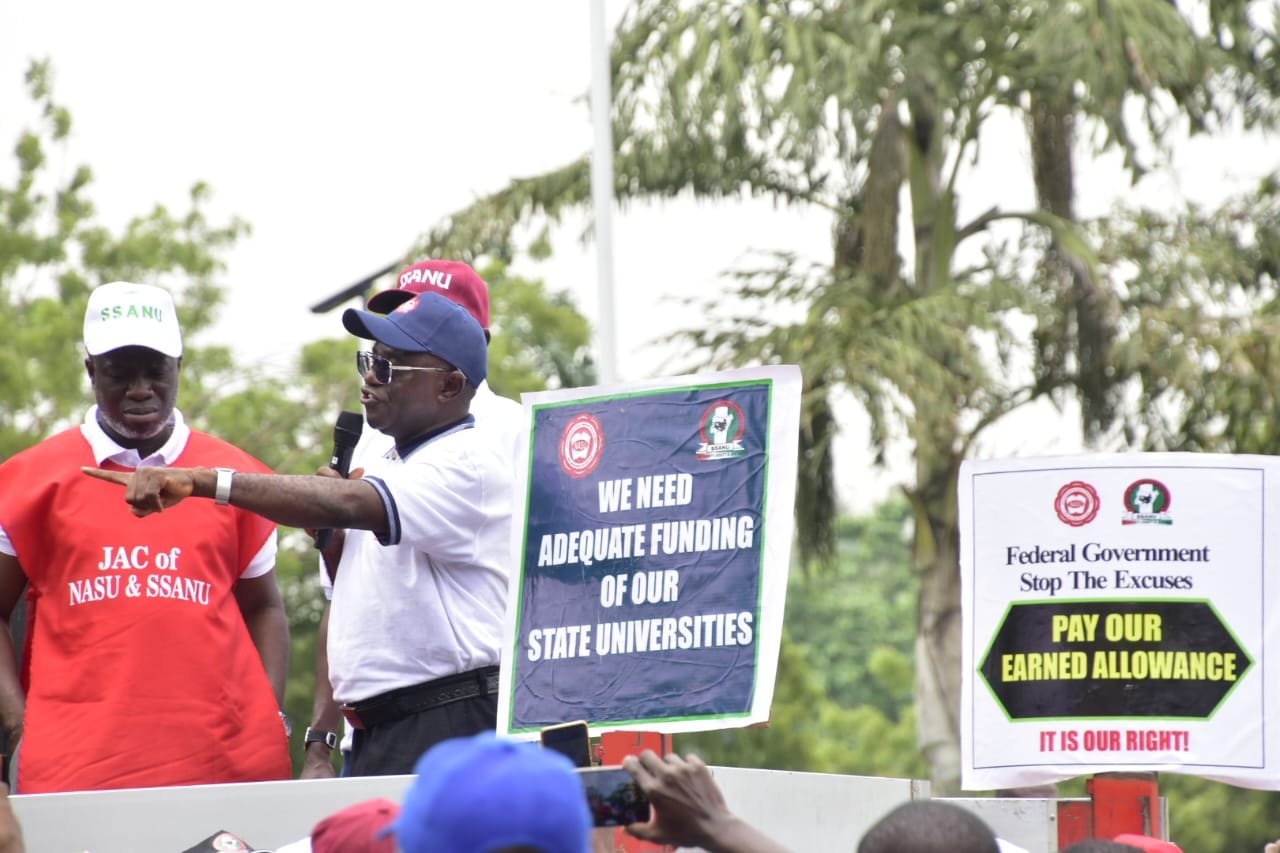

The Federal Government has stepped in to prevent a fresh disruption in Nigeria’s tertiary education system, inviting leaders of the Senior Staff Association of Nigerian Universities and the Non-Academic Staff Union of Universities to an urgent meeting scheduled for Wednesday, April 29, 2026. The move follows rising tension over a controversial salary adjustment that has already triggered threats of industrial action across federal institutions.
The meeting, confirmed by sources within the unions, is widely seen as a last-minute effort to preserve academic stability and avoid another shutdown that could affect thousands of students nationwide. For many observers, the development reflects a familiar pattern in Nigeria’s education sector, where negotiations often reach a critical point before decisive government intervention occurs.
Pay Dispute Deepens Over 30 Percent Salary Adjustment
At the centre of the dispute is a proposed 30 percent salary increase for non-academic staff across federal universities, polytechnics and colleges of education. The policy, announced by the Minister of Education, Dr Tunji Alausa, was intended to improve staff welfare and address long-standing complaints about earnings.
However, rather than resolving tensions, the announcement has sparked fresh controversy. Leaders of SSANU and NASU argue that the directive was issued without proper consultation and does not reflect the outcome of ongoing negotiations. They have described the move as unacceptable and demanded its immediate withdrawal.
Union officials insist that salary adjustments should emerge from a mutually agreed process, not unilateral decisions. For them, the issue goes beyond percentages and figures. It touches on trust, respect for collective bargaining, and the credibility of agreements between government and labour unions.
This disagreement has widened the gap between both parties, pushing the situation closer to a full-blown industrial crisis. The unions have made it clear that without a reversal or renegotiation of the directive, they are prepared to take decisive action.
Strike Threat Looms Over April Deadline
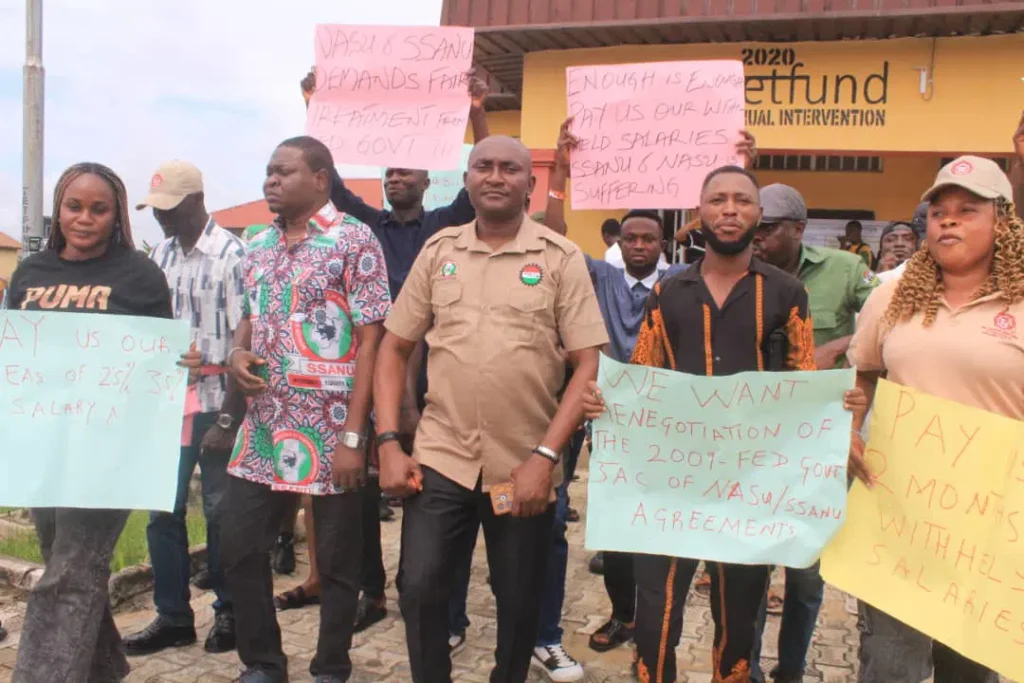
The urgency surrounding the planned meeting is tied to a looming deadline issued by the unions. Under the Joint Action Committee of SSANU and NASU, workers had earlier given the Federal Government until the end of April 2026 to conclude negotiations or face a nationwide strike.
That deadline is now just days away. In several internal communications, union leaders have reiterated that there will be no extension unless meaningful progress is made. The message is clear: failure to reach an agreement could result in the shutdown of public universities across the country.
This would not be the first time Nigeria’s education sector has been paralysed by industrial disputes. Over the years, repeated strikes by both academic and non-academic staff have disrupted academic calendars, delayed graduations, and placed additional pressure on students and families.
What makes the current situation particularly sensitive is the timing. With institutions already grappling with funding challenges and infrastructure deficits, another prolonged strike could further weaken public confidence in the system.
For many students, the possibility of another shutdown is deeply frustrating. Academic disruptions often translate into extended years in school, increased financial burden, and uncertainty about future plans.
Government Seeks Dialogue as Pressure Mounts
Against this backdrop, the Federal Government’s decision to convene a meeting with union leaders signals a recognition of the high stakes involved. Sources indicate that both sides are expected to present their positions, with the aim of finding common ground before the deadline expires.
Government officials are likely to emphasise their commitment to improving staff welfare, pointing to the proposed salary increase as evidence of goodwill. On the other hand, union representatives are expected to push for a more structured negotiation process that reflects previously agreed frameworks.
The outcome of the meeting will be critical. A successful dialogue could restore confidence and avert a strike, while a breakdown in talks may trigger immediate industrial action.
Observers note that resolving the dispute will require more than quick fixes. It will demand transparency, consistent communication, and a willingness on both sides to compromise. Without these elements, even temporary agreements may fail to deliver lasting stability.
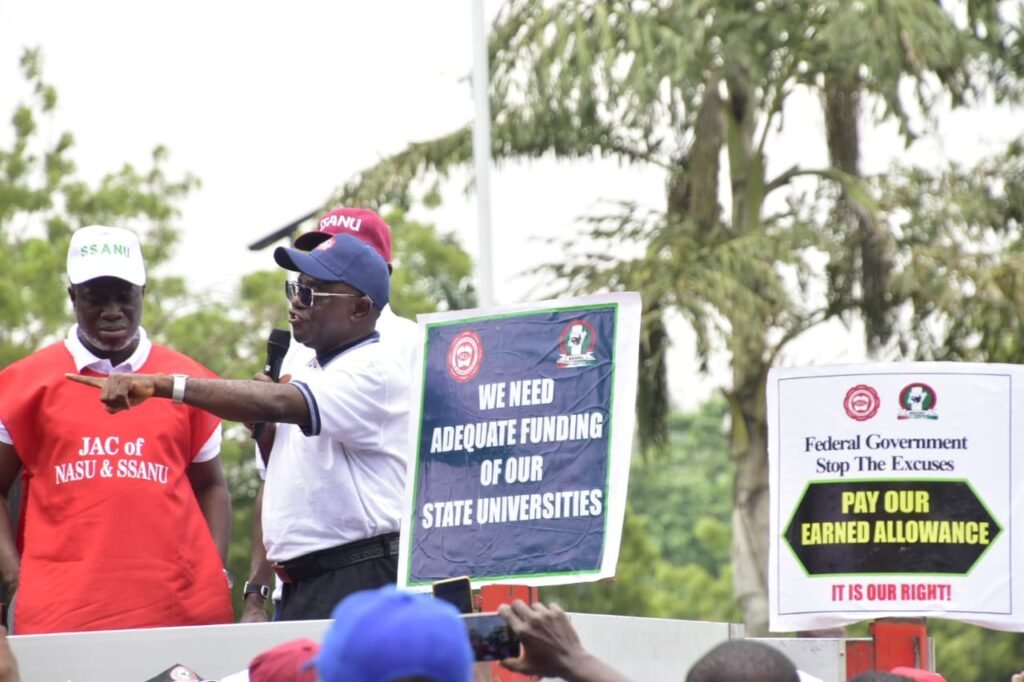
A Familiar Crossroads for Nigeria’s Education Sector
The unfolding situation highlights a broader challenge within Nigeria’s education system. Labour disputes have become a recurring feature, often rooted in unresolved agreements, funding constraints, and policy inconsistencies.
For non-academic staff, issues of remuneration and recognition have remained persistent concerns. While academic unions tend to dominate public discourse, SSANU and NASU play essential roles in the functioning of universities, handling administration, technical support, and other critical services.
Their grievances, therefore, carry significant weight. When non-academic staff withdraw their services, the impact is felt across every aspect of institutional operations, from admissions processing to facility management.
This reality underscores the importance of addressing their concerns in a sustainable manner. Short-term measures may ease immediate tensions, but long-term solutions are needed to prevent recurring disputes.
As Wednesday’s meeting approaches, all eyes will be on the negotiating table. For students, parents, and stakeholders in the education sector, the hope is simple: a resolution that keeps schools open and restores confidence in the system.
The coming days will determine whether dialogue prevails or disruption returns.
Join Our Social Media Channels:
WhatsApp: NaijaEyes
Facebook: NaijaEyes
Twitter: NaijaEyes
Instagram: NaijaEyes
TikTok: NaijaEyes
READ THE LATEST EDUCATION NEWS