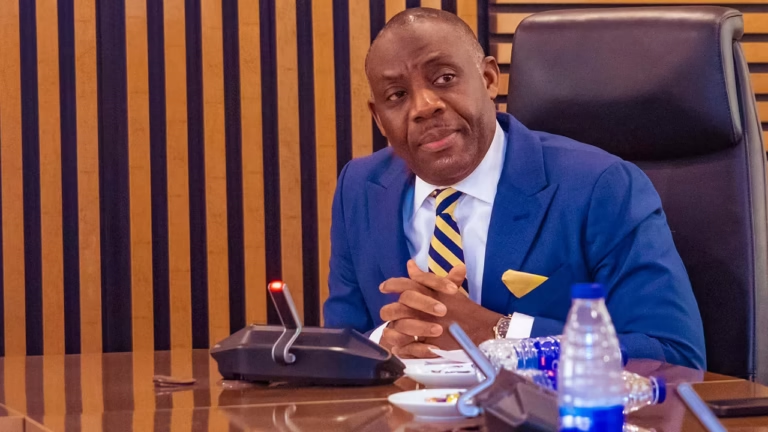
Nigeria’s battle against illiteracy has taken on renewed urgency as the National Commission for Mass Literacy, Adult and Non-Formal Education pushes deeper into communities where millions of citizens still lack access to basic education. The commission’s leadership says the mission is no longer simply about policy discussions in government offices but about bringing learning opportunities directly to people who have been left behind for decades.
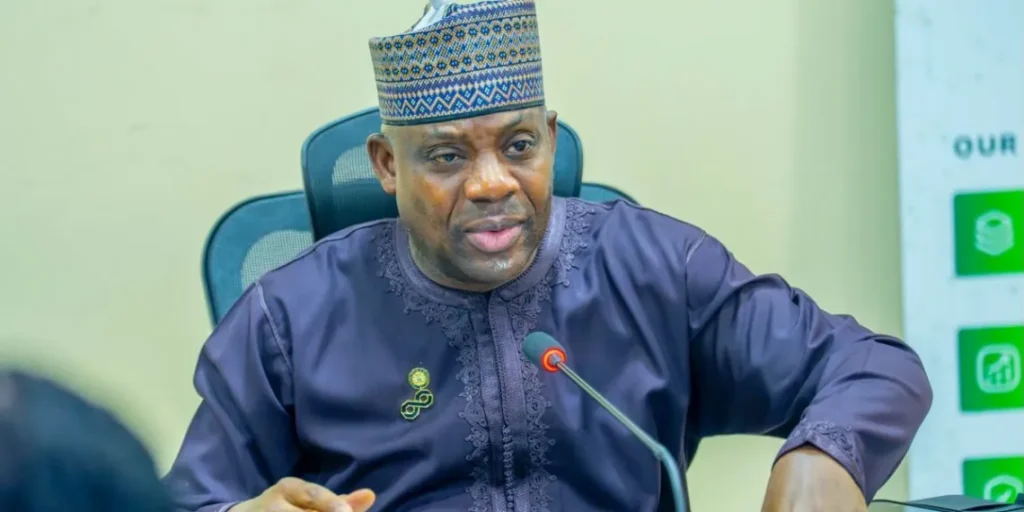
At the centre of the latest effort is Prof. Musa Maitasfir, the Executive Secretary of the commission, who recently led a delegation on a field visit to the Aco community in Lugbe, a densely populated settlement within the Federal Capital Territory. The visit, according to officials, was meant to assess literacy gaps firsthand and design practical interventions that can change lives.
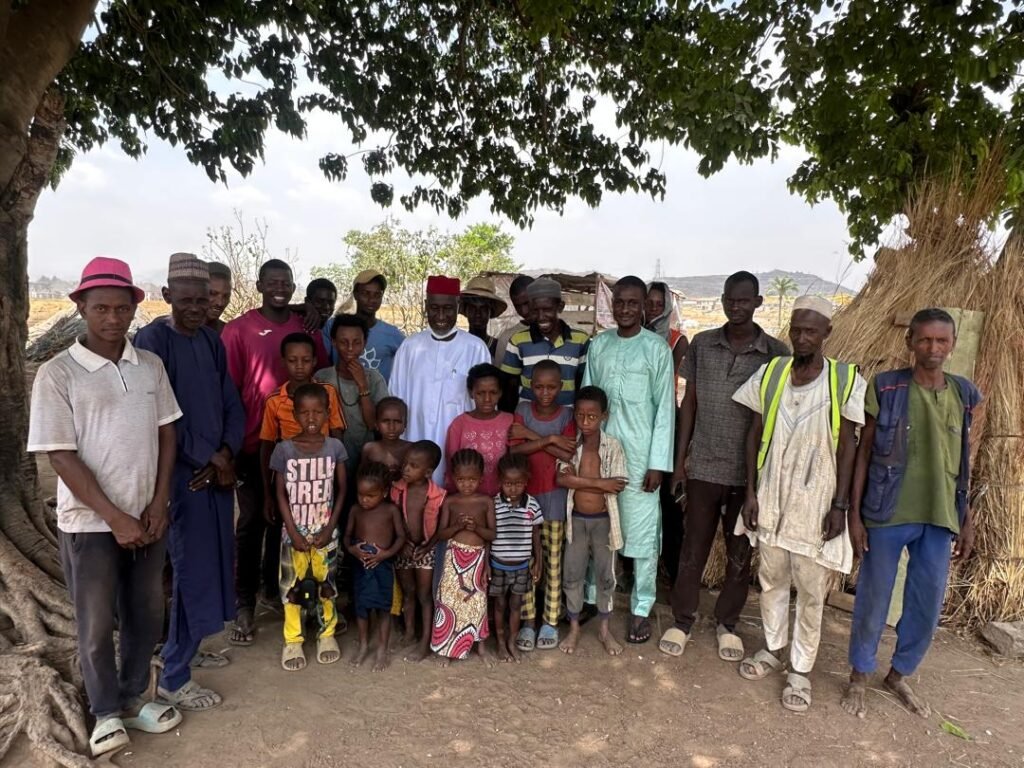
During the engagement with residents, the commission discovered a familiar but troubling reality. Many adults and young people in the community had little or no formal education. Yet, despite this limitation, the residents showed strong interest in learning basic reading and writing skills.
For education advocates, that willingness to learn represents hope. Nigeria’s literacy challenge is significant, but it is not insurmountable. Experts say the real obstacle is reaching communities where educational opportunities have historically been limited due to poverty, distance, or social barriers.
Prof. Maitasfir emphasised that the commission is determined to address that gap. He explained that the agency would deploy trained facilitators and learning materials to support community-based literacy programmes aimed at empowering residents.
The Lugbe visit is expected to serve as a pilot initiative for broader interventions across underserved areas in the country.
Nigeria’s Persistent Literacy Challenge
Illiteracy remains one of Nigeria’s most pressing development challenges. Estimates from education authorities indicate that tens of millions of Nigerians still lack basic literacy skills, particularly among adults who never had the opportunity to attend school.
Government figures suggest that about 56 million Nigerians are unable to read or write effectively. This statistic highlights the scale of the problem and underscores why mass literacy programmes remain a critical priority.
The implications of illiteracy go far beyond the classroom. Limited access to education often translates into restricted economic opportunities, poor health awareness, and reduced participation in civic life. Communities with high illiteracy rates also tend to struggle with unemployment and social inequality.
In many rural and peri-urban communities, adults who never attended school often rely on informal skills or manual labour to survive. While such livelihoods sustain families, they rarely provide pathways to economic mobility.
Education experts argue that improving literacy among adults can transform these communities. When individuals gain basic reading and writing skills, they are better equipped to access information, learn new trades, and participate more effectively in society.
This is why agencies responsible for adult and non-formal education continue to emphasise literacy as a key driver of development.
Community-Based Learning as a Strategy Against Illiteracy
One of the major strategies adopted by the National Commission for Mass Literacy, Adult and Non-Formal Education is community-based learning. Instead of expecting adults to enrol in traditional schools, the commission brings education directly to neighbourhoods where people live and work.
This approach recognises that adult learners often have responsibilities such as work, family care, or small businesses that make regular school attendance difficult. By setting up local learning centres, the programme allows participants to learn at flexible times within their communities.
The Lugbe engagement is part of that broader strategy. By interacting directly with residents and local leaders, the commission hopes to tailor literacy programmes to the specific needs of each community.
According to Prof. Maitasfir, the commission plans to provide not only learning materials but also trained facilitators who will guide participants through basic literacy and numeracy skills.
These facilitators often come from within the community or nearby areas, making it easier for learners to connect with them.
Beyond reading and writing, many literacy programmes now include practical life skills such as financial literacy, health awareness, and digital education. These additions ensure that the knowledge gained has immediate value in everyday life.
Such integrated learning models have been adopted in several literacy initiatives across the country, reflecting a shift from purely academic instruction to practical empowerment.
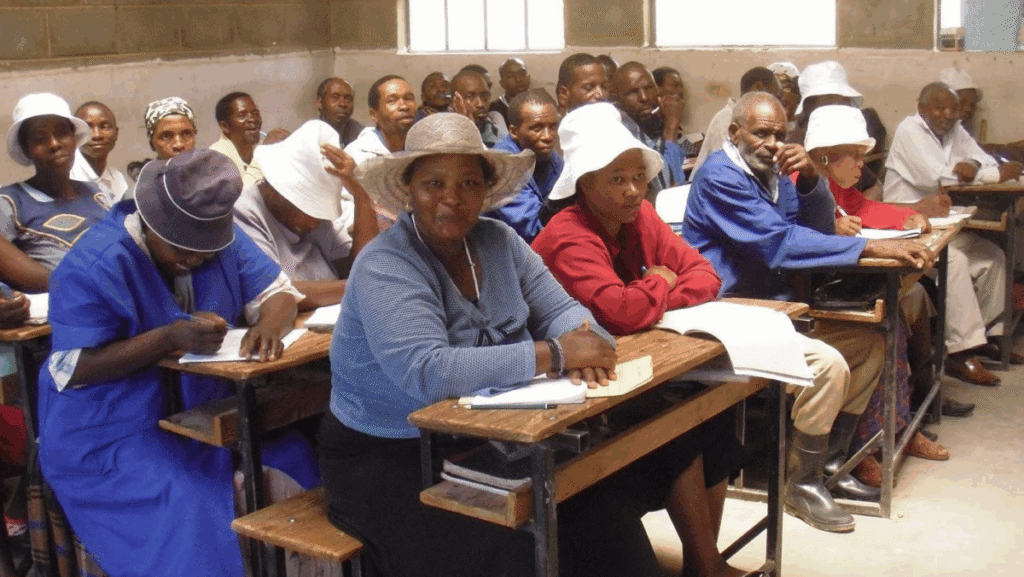
Expanding Adult and Non-Formal Education Nationwide to Fight Illiteracy
The National Commission for Mass Literacy, Adult and Non-Formal Education was established to address exactly this type of challenge. Its mandate focuses on providing educational opportunities for adults and out-of-school youths who missed formal schooling earlier in life.
Since its creation, the commission has implemented numerous programmes designed to reduce illiteracy and promote lifelong learning.
In recent years, the federal government has also expanded support for mass literacy initiatives as part of broader education reforms. One of the major ambitions is to equip millions of Nigerians with both literacy and digital skills that can improve employability in a rapidly changing world.
Government officials have outlined plans aimed at educating tens of millions of young adults in digital literacy within a few years. This effort is intended to prepare citizens for opportunities in technology-driven sectors while also addressing the country’s literacy gap.
Experts believe digital education could play a significant role in improving literacy outcomes. Mobile learning platforms, radio education programmes, and community technology hubs are increasingly being explored as ways to reach learners in remote areas.
The collaboration between government agencies is also expanding. Partnerships with organisations responsible for basic education are expected to strengthen mass literacy programmes through shared resources, training, and infrastructure.
Such partnerships could help accelerate progress in reducing illiteracy rates nationwide.
A Renewed National Commitment to Education
The renewed focus on literacy reflects a broader recognition that education remains central to Nigeria’s development.
Countries that have successfully reduced illiteracy often invest heavily in adult education, community learning centres, and public awareness campaigns that encourage citizens to pursue lifelong learning.
In Nigeria, similar efforts are gradually gaining momentum. Programmes designed for adult learners now emphasise flexibility, inclusivity, and practical relevance.
For many individuals who never attended school as children, these programmes represent a second chance.
Residents in communities like Aco in Lugbe have already expressed eagerness to participate in the upcoming literacy interventions. Their enthusiasm demonstrates that the desire for education remains strong even among those who have been excluded from formal systems for years.
Prof. Maitasfir has encouraged staff of the commission who live in various communities to actively support the new initiatives as they roll out. The idea is to ensure that literacy programmes reach as many people as possible, particularly in underserved locations.
If successfully implemented, the Lugbe project could serve as a model for other communities across Nigeria.
Education advocates say the long-term goal is clear. Reducing illiteracy is not just about statistics. It is about giving individuals the ability to read instructions, understand information, manage finances, and participate meaningfully in society.
Each person who learns to read and write represents a step forward for the nation.
As Nigeria continues to pursue economic growth and social development, literacy remains one of the most powerful tools for achieving both. The work of the National Commission for Mass Literacy, Adult and Non-Formal Education shows that the journey toward universal literacy is still ongoing, but the commitment to reach that goal is stronger than ever.
Join Our Social Media Channels:
WhatsApp: NaijaEyes
Facebook: NaijaEyes
Twitter: NaijaEyes
Instagram: NaijaEyes
TikTok: NaijaEyes