
The Federal Government has announced a major shift in Nigeria’s examination system, with the National Examinations Council, popularly known as NECO, set to begin computer-based examinations as part of a broad reform agenda aimed at reducing malpractice and improving the credibility of public assessments across the country.
The development was unveiled during the celebration of NECO’s 25th anniversary in Abuja, where the Minister of Education, Dr Tunji Alausa, described the transition as a turning point for Nigeria’s education sector. According to him, the move towards technology-driven examinations is expected to strengthen transparency, improve monitoring and restore confidence in national certificates.
For years, examination malpractice has remained one of the biggest concerns in Nigeria’s education system. From leaked question papers to impersonation and organised cheating rings, authorities have repeatedly struggled to protect the integrity of examinations conducted across secondary schools nationwide. The government now believes digital examinations may offer a stronger solution.

Alausa explained that computer-based examinations would allow examination officials to monitor candidates more effectively and identify suspicious activities in real time. He said the initiative forms part of wider reforms intended to modernise learning assessment in line with international standards.
The minister also stressed that Nigeria can no longer afford to rely heavily on outdated systems that focus mainly on memorisation. He noted that modern education now requires students to develop critical thinking, digital literacy and problem-solving skills that align with the realities of a technology-driven global economy.
Education stakeholders say the planned transition could become one of the most important reforms introduced into Nigeria’s public examination structure in decades. While computer-based testing is already common within the Joint Admissions and Matriculation Board examinations, extending the system to NECO represents a much larger operational challenge because of the scale and diversity of candidates involved.
Nigeria has millions of students sitting for secondary school examinations annually, many from rural communities where internet access, electricity supply and computer literacy remain limited. Despite these concerns, government officials insist preparations are already underway to ensure a smooth transition.
Speaking during the anniversary event, NECO Registrar and Chief Executive, Professor Dantani Wushishi, said the examination body has undergone significant transformation over the past 25 years. According to him, the council has expanded beyond Nigeria’s borders and now conducts examinations in eight countries, a development he described as proof of growing international confidence in NECO certificates.
Wushishi said NECO has continued to invest in digital reforms over the years, including electronic certificate systems, digital verification services, online libraries and data-driven platforms aimed at improving efficiency and reducing fraud. He added that the council plans to intensify anti-malpractice measures while strengthening digital operations in the coming years.
Beyond the technology itself, analysts believe the success of the initiative may depend heavily on infrastructure readiness across schools and examination centres. Concerns have already emerged regarding electricity supply, internet connectivity and access to computers in underserved communities.
Recent reports have shown that many public schools across Nigeria still lack functioning computer laboratories and sufficient digital learning facilities. Some education experts fear that unless urgent investment is made, students from disadvantaged backgrounds could face additional difficulties adapting to the new examination format.
Still, supporters of the reform argue that the long-term benefits outweigh the challenges. They believe computer-based testing can significantly reduce human interference in examination processes, improve result accuracy and shorten processing times. The system may also help authorities track irregularities more effectively than traditional paper-based examinations.
In recent years, the Federal Government has introduced several measures aimed at reducing examination malpractice nationwide. Authorities earlier announced stricter rules for senior secondary school candidates, including tighter monitoring of school transfers and the introduction of unique learner identity systems intended to track examination records more effectively.
Officials have also proposed question randomisation systems where candidates receive the same questions arranged differently, making coordinated cheating more difficult. Education authorities say these combined measures are intended to rebuild public trust in examination outcomes and ensure certificates reflect genuine academic performance.
Parents and teachers have reacted with mixed feelings following the latest announcement. While many welcomed efforts to reduce malpractice, others expressed concerns over whether schools across all parts of the country are prepared for a digital transition.
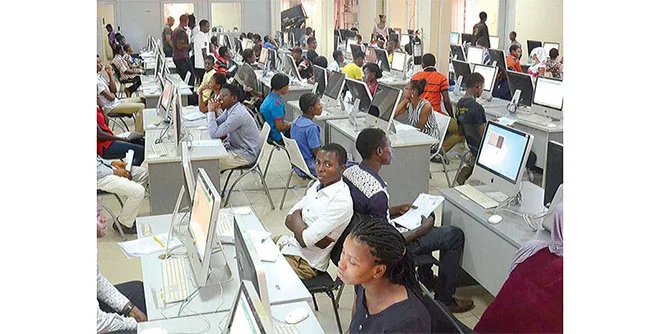
Some teachers believe the reform could encourage schools to invest more seriously in computer education and digital literacy. Others, however, worry that students in rural areas may struggle because of limited exposure to computers and unstable electricity supply.
There are also concerns about examination centres that may lack adequate technical support during examinations. Experts say issues such as system failures, network disruptions and poor maintenance could create fresh challenges if not properly addressed before nationwide implementation.
Despite the concerns, education reform advocates insist Nigeria cannot continue delaying digital transformation within its examination system. They point to global trends where educational assessment increasingly relies on technology to improve efficiency, security and accessibility.
Research into electronic examination systems has shown that digital assessment platforms can improve examination security when properly implemented. Studies have also highlighted the importance of strong infrastructure, secure software and reliable monitoring systems in maintaining examination integrity.
For many observers, the decision to migrate NECO examinations towards computer-based testing reflects a broader effort to reposition Nigeria’s education sector for the future. Government officials believe digital assessment systems may eventually become the standard across major examination bodies nationwide.
The latest reform announcement also comes at a time when conversations around education quality, unemployment and workforce readiness are becoming increasingly urgent across Nigeria. Experts argue that improving examination credibility is essential for rebuilding trust in academic qualifications and preparing students for a competitive global economy.
At the NECO anniversary event, government officials praised the council for surviving early challenges ranging from public scepticism to infrastructure limitations. They noted that the organisation has evolved into one of the country’s most recognised examination institutions over the past two decades.
Wushishi acknowledged the contributions of former Nigerian leaders who played roles in the establishment and development of the council, while also emphasising the need for continuous reform and innovation within the examination sector.
As preparations continue, many Nigerians will be watching closely to see how effectively the transition is implemented. For students, especially, the coming years may mark the beginning of a very different examination experience from what previous generations knew.
Back Story: Nigeria’s Long Battle Against Examination Malpractice
Examination malpractice has remained a recurring issue in Nigeria’s education sector for decades. Cases involving leaked question papers, impersonation, bribery and organised cheating have repeatedly raised concerns about the credibility of public examinations.
Successive governments have introduced different measures to combat the problem, including stricter supervision, security personnel at examination centres and tougher penalties for offenders. Despite these efforts, malpractice has continued to evolve alongside technology.
The success of the Joint Admissions and Matriculation Board’s computer-based testing model encouraged policymakers to consider similar reforms for other examination bodies like WAEC and NECO. Authorities believe technology may reduce opportunities for collusion while improving transparency in examination administration.
In recent years, the Federal Ministry of Education has intensified discussions around digital assessment systems as part of wider reforms targeting quality education, improved monitoring and international competitiveness. The latest NECO announcement represents one of the clearest signs yet that Nigeria’s examination system is entering a new digital phase.
Join Our Social Media Channels:
WhatsApp: NaijaEyes
Facebook: NaijaEyes
Twitter: NaijaEyes
Instagram: NaijaEyes
TikTok: NaijaEyes