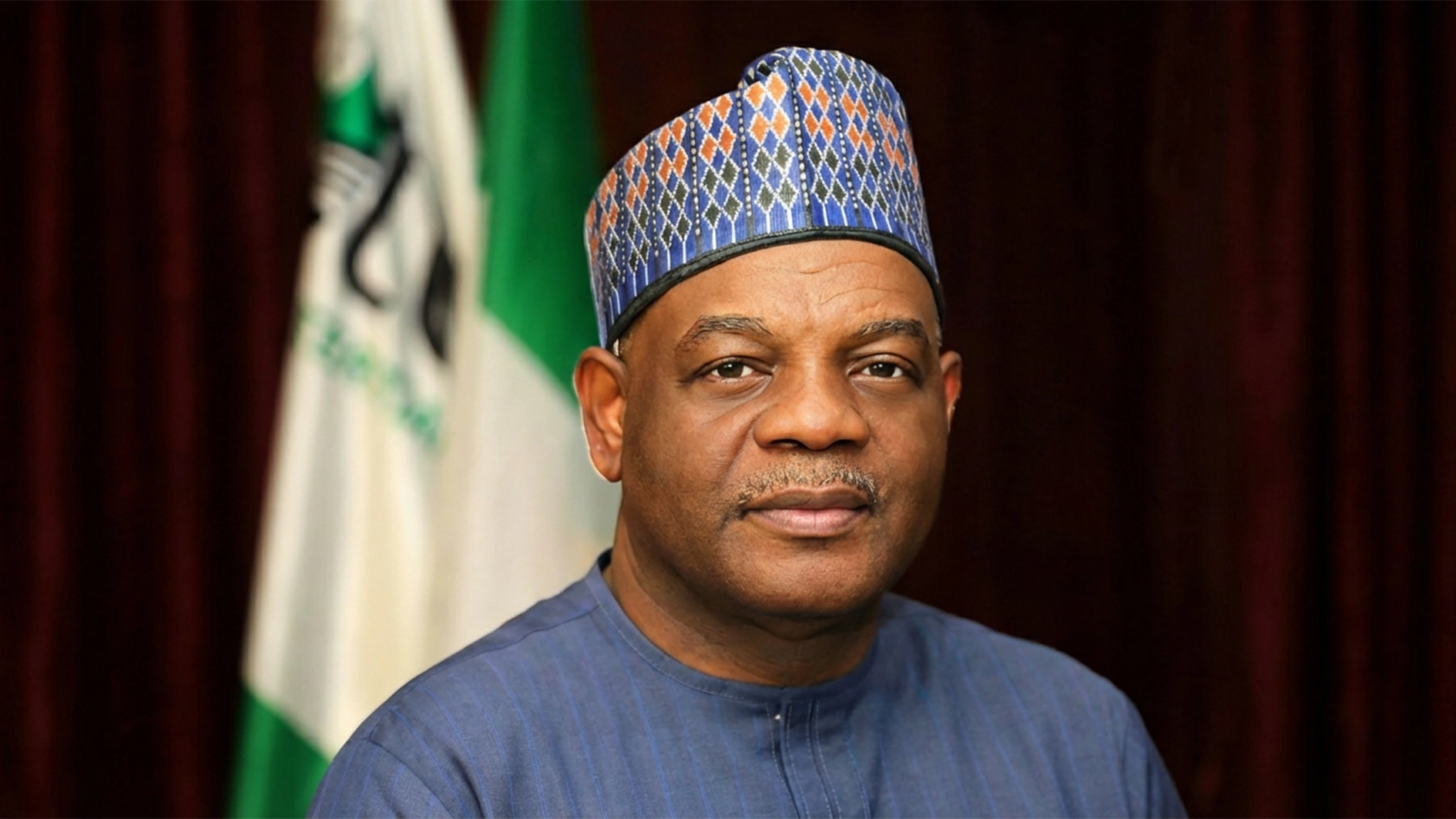

The debate around the impact of the Tertiary Education Trust Fund under the leadership of Sonny Echono continues to grow across Nigeria’s education sector. For many vice chancellors, lecturers and students, the answer appears increasingly positive as new intervention projects, research grants and digital education initiatives reshape public tertiary institutions nationwide.
Since assuming office as Executive Secretary of TETFund in 2022, Echono has overseen a period marked by aggressive infrastructure development, research expansion and tighter accountability measures. While concerns over sustainability and the growing burden on the Fund remain, stakeholders say the agency has become more visible and strategic in its interventions.
Across universities, polytechnics and colleges of education, projects funded through TETFund now range from lecture theatres and laboratories to innovation hubs, research centres and entrepreneurship programmes. The agency has also deepened partnerships with international institutions while pushing for reforms designed to align Nigerian graduates with global labour demands.

Observers note that the Fund’s interventions have become particularly important at a time when public tertiary institutions continue to battle inadequate funding, decaying infrastructure and industrial disputes. Analysts say TETFund has gradually evolved beyond being just a funding intervention agency into a major driver of policy direction in the education sector.
A major feature of Echono’s leadership has been the emphasis on research and innovation. Under his administration, the Fund expanded support for research commercialisation and collaboration between academia, industry and government through initiatives such as the TETFund Alliance for Innovative Research, popularly known as TETFAIR.
The programme brought together dozens of researchers from tertiary institutions across Nigeria to develop locally driven solutions in healthcare, agriculture, manufacturing and technology. Education stakeholders say the initiative reflects a broader attempt to move Nigerian universities away from theoretical research towards commercially viable innovation.
The administration has also focused heavily on digital transformation within public institutions. TETFund increased investments in digital learning infrastructure, academic digitisation and anti-plagiarism systems aimed at improving educational standards and research credibility.
In many campuses, digital libraries, upgraded internet facilities, and technology-driven learning centres funded through the agency have started changing how students and lecturers interact with academic resources. Some university administrators believe these interventions became especially critical following the global disruption caused by the COVID 19 pandemic, which exposed weaknesses in Nigeria’s digital education readiness.
Another area where the agency has drawn commendation is academic staff development. Through local and international training sponsorships, conference support and postgraduate scholarships, thousands of lecturers and non-teaching staff have reportedly benefited from intervention programmes in recent years.
Supporters of the current administration argue that these interventions are gradually improving teaching quality and research output in public institutions. Some institutions have also reported stronger international collaborations linked to partnerships facilitated by the Fund with institutions in Europe and other regions.
Beyond infrastructure and research, industrial harmony within tertiary institutions has become another focus area. TETFund under Echono has maintained engagement with academic unions and institutional administrators in an effort to reduce friction within the sector. While industrial actions have not disappeared completely, education analysts believe consistent communication between stakeholders has helped calm tensions in several instances.
Despite the growing praise, critics argue that challenges remain. One major concern is the increasing number of public tertiary institutions depending on TETFund allocations. With more universities, polytechnics and colleges being established across Nigeria, experts worry that available resources may eventually become stretched.
There are also questions around long-term maintenance culture within beneficiary institutions. Some education stakeholders insist that while TETFund continues to fund major projects, several institutions still struggle to properly maintain completed facilities. They argue that without stronger institutional discipline and accountability, some of the gains may weaken over time.
Transparency has equally remained a sensitive topic. Although the agency has repeatedly defended its processes and introduced stricter monitoring frameworks, allegations relating to contracts and fund management have surfaced occasionally. Echono has consistently denied claims of wrongdoing, insisting that reforms introduced under his administration have strengthened due process and blocked wasteful practices.
The Fund’s collaboration with anti-corruption agencies and stronger project monitoring systems has been highlighted by supporters as evidence of efforts to improve accountability.
Education policy experts say one of the strongest indicators of TETFund’s growing influence is the visibility of its projects across Nigerian campuses. From newly constructed hostels and faculty buildings to modern laboratories and innovation centres, many public institutions now openly attribute some of their most significant infrastructure improvements to the Fund’s interventions.
For students, the impact is often most visible in upgraded learning environments. In several institutions, overcrowded lecture halls have been replaced with larger and more modern facilities. Laboratories that previously lacked equipment are gradually receiving upgrades, while research grants have provided academics with more opportunities to pursue local solutions to national challenges.
Industry observers also point to TETFund’s increasing role in employability and skills development. The agency’s collaboration with international organisations to benchmark graduate employability reflects concerns about rising youth unemployment and the mismatch between academic training and labour market realities in Nigeria.
For many young Nigerians, this aspect of reform may prove just as important as physical infrastructure. Employers have repeatedly complained about skill gaps among graduates, and education experts say stronger links between universities and industry are necessary if Nigeria hopes to compete globally.

Within policy circles, Echono’s leadership style has also attracted attention. Supporters describe him as a technocrat focused on systems and measurable outcomes rather than political showmanship. That image has contributed to multiple recognitions and awards tied to his leadership at TETFund.
Still, analysts warn that no single intervention agency can completely solve Nigeria’s education crisis. Public tertiary institutions continue to face deep structural challenges, including inadequate recurrent funding, staff shortages and unstable power supply. Many experts believe TETFund’s success ultimately depends on broader reforms across the education sector.
There is also concern about overdependence on intervention funding. Some stakeholders argue that universities and other institutions should develop stronger internal revenue systems instead of relying almost entirely on government interventions.
Even with these concerns, many observers believe the agency has recorded measurable progress under the current administration. The visible expansion of infrastructure, stronger research focus and push for innovation have helped reinforce TETFund’s relevance in Nigeria’s educational landscape.
For now, the scorecard under Echono appears to reflect an agency attempting to redefine itself beyond conventional intervention funding. Whether those reforms become fully sustainable may depend on the ability of institutions, government and future leadership to maintain momentum in the years ahead.
Back Story: Why TETFund Became So Important in Nigeria
The Tertiary Education Trust Fund was established to address chronic underfunding in Nigeria’s public tertiary institutions. Over the years, many universities, polytechnics and colleges of education struggled with collapsing infrastructure, inadequate research support and poor learning conditions.
The intervention agency became one of the Federal Government’s major responses to these challenges, using education tax contributions to fund projects and academic development across public institutions.
Before recent reforms, several campuses suffered from overcrowded classrooms, outdated laboratories and weak research funding. Industrial actions by academic unions also exposed the fragile condition of the sector.
Under successive administrations, TETFund expanded its intervention lines, but the agency’s visibility increased significantly in recent years due to larger-scale projects, research initiatives and digital transformation programmes introduced under Echono’s leadership.
Join Our Social Media Channels:
WhatsApp: NaijaEyes
Facebook: NaijaEyes
Twitter: NaijaEyes
Instagram: NaijaEyes
TikTok: NaijaEyes