

Governments around the world are stepping up efforts to protect and ensure the safety of children and teenagers in the online space by introducing new laws that push for stronger checks to verify the age of users. This shift has come amid growing concern over the risks that young people face on the internet, including harmful content, social pressures related to mental health, and the spread of dangerous artificial intelligence-generated material targeted at minors, according to investing.com.
For years, big technology companies have argued that it was technically difficult to tell how old a user really is when they sign up for a platform or access content. They warned that strict age limits could be hard to enforce or might even put user privacy at risk. Now, however, regulators are moving forward with new legal frameworks that require online services to do more to make sure children are not accessing age‑restricted sites.
This global trend in policies spans multiple regions, including Europe, the Americas, and the Asia Pacific. Australia has already taken a bold step by restricting access for teens on popular social media platforms as part of its online safety regime. Other nations and jurisdictions are closely watching how these rules play out before adopting similar measures of their own.

How Age Assurance Technology Has Evolved
The push for better online child safety and protection has been supported by rapid developments in age‑verification technology. Once limited and expensive, these tools have become more accurate and affordable, giving lawmakers the confidence that they can be deployed at scale to safeguard young users.
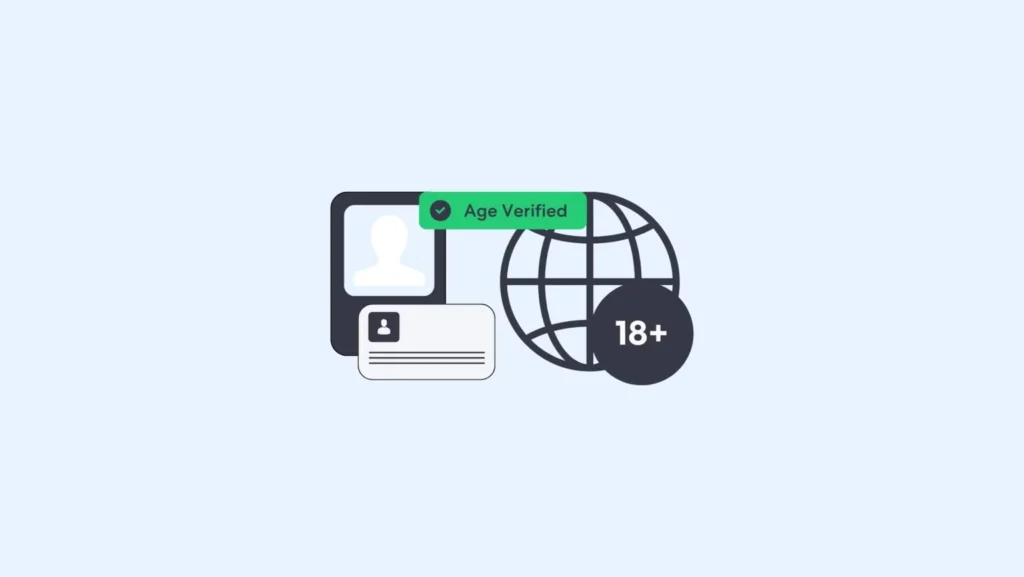
At the heart of this change are innovative systems that analyse different clues to estimate a person’s age without manual checks. These systems may use facial analysis, comparisons of official documents, behavioural patterns on websites, or confirmations from parents or guardians. Vendors such as firms specialising in identity verification have reported that their tools are now far more precise than they were just a few years ago.
For example, newer face‑scanning models are now capable of estimating the age of teenagers with an average margin of error close to just one year. This marks a considerable improvement compared with older systems, and gives regulators and technology firms a stronger basis for enforcing age‑related rules.
App stores and device makers have also introduced features that allow parents to deactivate or limit access to certain types of content based on a child’s age. The overarching goal is to create a safer digital environment that mirrors how society regulates age‑restricted activity offline, such as entry into bars or purchase of adult products.
The Reality of Implementation and Challenges
Despite the progress in technology, implementing age verification on a wide scale is not without its difficulties. The most advanced systems still show some uncertainty, particularly for users whose age falls close to the threshold of a given law. For example, regulators have noted that when a child’s age is very close to the minimum allowed, the systems sometimes struggle to be completely certain. To address this, supplementary methods such as verifying official identification or obtaining parental permission may be required.
There are also practical challenges tied to the technology itself. Face‑based systems can work less well with low‑quality images or older devices that capture grainy photos. Some children may also attempt to trick age checks by using masks, makeup, or toys to confuse the software.
Another challenge comes from the fact that some companies might not fully embrace the most robust forms of these checks. Reports from industry observers indicate that some digital platforms are doing the bare minimum to comply with new laws, possibly weakening safeguards to avoid setting a standard that could spread to other markets.

What This Means for Online Safety and Policy
The rise of age verification technologies and online safety laws marks a turning point in how societies are trying to protect children on the internet. Lawmakers in many parts of the world are now convinced that age limits and verification systems are not only possible but necessary to reduce exposure to potentially harmful material.
Australia’s early effort to enforce a social media age ban has already resulted in millions of suspected underage accounts being flagged and restricted under the new rules. Governments in Europe and parts of the United States are closely tracking these developments to learn from the outcomes and refine their own approaches.
These policy shifts are part of a broader debate over the role of technology in young people’s lives. Advocates argue that online protections must reflect the same priorities that govern children’s safety offline. Critics, however, worry about data privacy and how much personal information should be collected in the name of safety. These discussions are shaping the next generation of digital regulation around the world.
As these laws continue to evolve, the focus on children’s online safety will remain a central topic in technology, law, and public policy. Governments, industry participants, and civil society are all part of a complex conversation about how to balance innovation, privacy, and the protection of young users in an increasingly connected world.
Join Our Social Media Channels:
WhatsApp: NaijaEyes
Facebook: NaijaEyes
Twitter: NaijaEyes
Instagram: NaijaEyes
TikTok: NaijaEyes