

Nigeria’s Colleges of Education are under growing pressure to rethink how teachers are trained in a fast-changing digital world. Across classrooms, from urban Lagos to rural communities in the North, the demands on teachers have shifted. Today’s educators are expected not only to teach but to navigate digital tools, manage virtual classrooms and prepare students for a technology-driven future. Yet, experts say the current system is struggling to keep pace.
Recent research shows that teacher training in many Nigerian Colleges of Education still relies heavily on outdated, lecture-based methods that fail to equip future teachers with practical digital skills. This gap is now forcing policymakers, educators and institutions to confront a difficult question: how can Nigeria rebuild its teacher training system to meet the realities of the digital age?
A System Under Strain
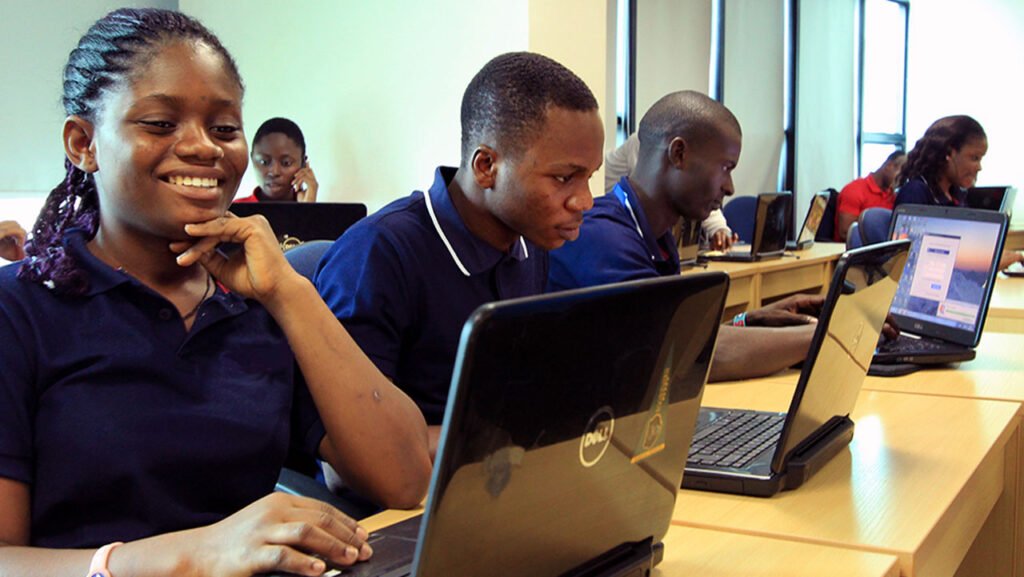
The challenges facing teacher education in Nigeria are deep-rooted. Funding gaps, outdated curricula and limited access to technology continue to undermine progress. In many Colleges of Education, students graduate without sufficient exposure to modern teaching tools such as digital learning platforms, interactive software or virtual classrooms.
This is particularly troubling given the central role of teachers in national development. The National Commission for Colleges of Education, which regulates teacher training, is built on the principle that no education system can rise above the quality of its teachers. Yet, current realities suggest that the system has not fully lived up to that ideal.
Studies highlight that many teacher trainees lack digital literacy, while institutions themselves struggle with poor infrastructure and inconsistent internet access. This digital divide is not just a technical issue; it is an educational inequality that risks leaving entire regions behind.
At the same time, Nigeria faces a significant teacher shortage in basic education, adding further pressure on training institutions to produce competent and adaptable educators. The result is a system that is overstretched and underprepared for modern demands.
Digital Transformation Gains Momentum
Despite these challenges, signs of change are beginning to emerge. Across the country, government agencies and education stakeholders are introducing initiatives aimed at modernising teacher training.
One of the most notable developments is the growing adoption of digital platforms for professional development. A new national digital hub launched by the Federal Ministry of Education is designed to provide teachers with access to training resources, mentorship and collaborative learning opportunities. The platform reflects a broader shift towards continuous, technology-driven learning for educators.
Similarly, initiatives like AI-powered teacher training programmes are helping to bridge gaps in digital and pedagogical skills. These programmes aim to equip hundreds of thousands of teachers with tools in areas such as artificial intelligence, robotics and digital literacy, aligning classroom teaching with global standards.
Technology is also reshaping how training is delivered. Virtual classrooms, webinars and online workshops are making it easier for teachers to access training without the limitations of location. This flexibility is particularly important in a country where geographical and infrastructural challenges have long restricted access to quality education.
Experts say these developments are promising, but they remain uneven and, in many cases, limited in scale.

Rebuilding for the Future
For Nigerian Colleges of Education to truly rebuild teacher training, a more comprehensive transformation is required. This goes beyond introducing digital tools; it demands a complete rethink of how teachers are prepared for the classroom.
First, curriculum reform is essential. Training programmes must move away from theory-heavy approaches and incorporate practical, technology-driven teaching methods. Future teachers need hands-on experience with digital tools, from learning management systems to multimedia teaching aids.
Second, investment in infrastructure is critical. Without reliable electricity, internet connectivity and access to devices, digital training will remain out of reach for many institutions. Addressing these gaps requires coordinated efforts from the government, private sector partners and international organisations.
Third, teacher educators themselves must be retrained. Those responsible for training new teachers need to be equipped with digital competencies and modern pedagogical approaches. Without this, reforms at the student level will have limited impact.
Continuous professional development is another key factor. In a rapidly evolving digital landscape, learning cannot stop at graduation. Teachers must have access to ongoing training that keeps them updated with new technologies and teaching methods.
Equally important is the need to address the digital divide. Ensuring equitable access to technology for all teacher trainees, regardless of location, is essential for building an inclusive education system.
Finally, collaboration will play a crucial role. Partnerships between Colleges of Education, technology companies and education-focused organisations can accelerate innovation and provide much-needed resources.

Back Story: How Nigeria Got Here
Nigeria’s teacher training system has long been shaped by historical and structural challenges. Colleges of Education were established to produce qualified teachers for the nation’s growing population, but over time, funding constraints and policy inconsistencies began to take their toll.
For decades, the focus remained on traditional teaching methods, even as the global education landscape evolved. The rapid rise of digital technology in the 21st century exposed the limitations of this approach, leaving many institutions struggling to adapt.
The COVID-19 pandemic further highlighted these gaps, as schools were forced to shift to remote learning with little preparation. This period served as a wake-up call, revealing the urgent need for digital readiness in both teaching and teacher training.
In response, recent years have seen increased attention on education reform, with digital transformation emerging as a central theme. However, experts warn that without sustained commitment and investment, progress may remain slow and uneven.
As Nigeria looks to the future, the rebuilding of teacher training in Colleges of Education is no longer optional. It is a necessary step towards creating an education system that can compete globally and meet the needs of a new generation of learners.
Join Our Social Media Channels:
WhatsApp: NaijaEyes
Facebook: NaijaEyes
Twitter: NaijaEyes
Instagram: NaijaEyes
TikTok: NaijaEyes