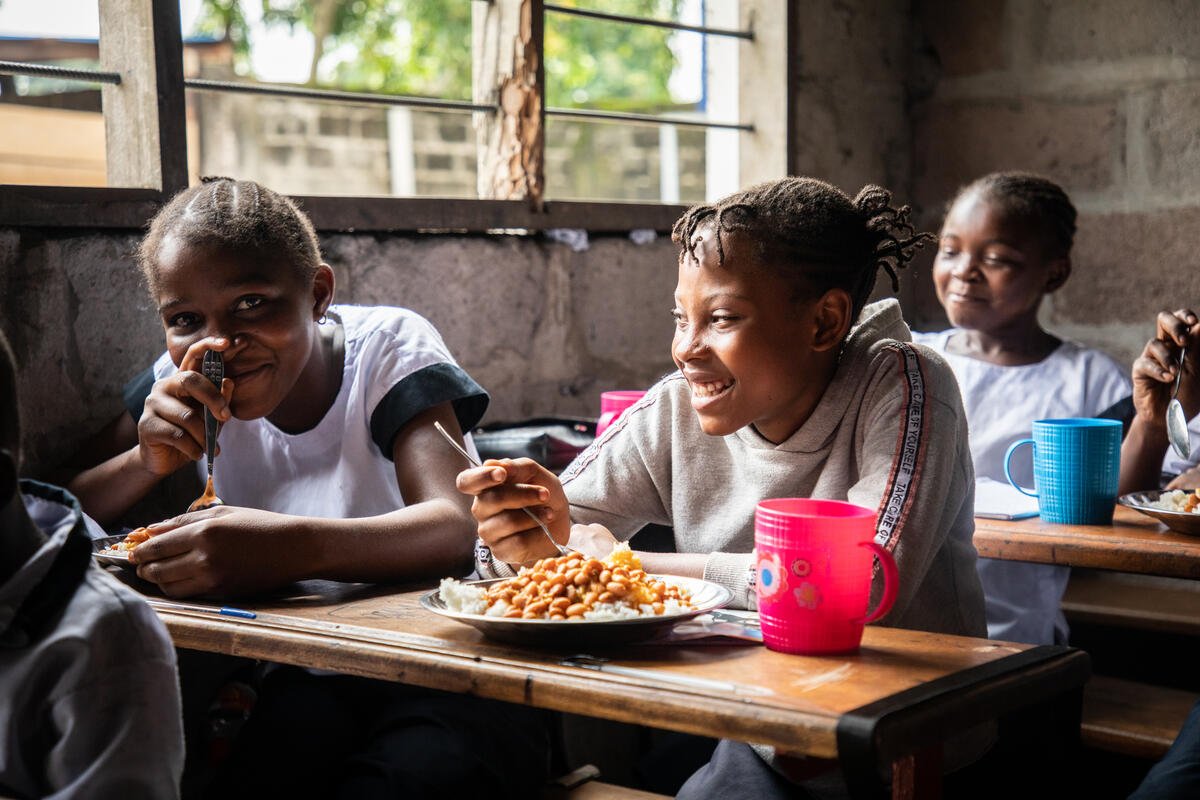

Across classrooms around the world, one simple act continues to change millions of lives every day: serving a healthy meal at school. As countries observe International School Meals Day, educators, governments, charities and communities are reminded that nutrition and education are deeply connected.
International School Meals Day is a global campaign designed to promote access to nutritious food for children regardless of their background or economic status. The day also encourages schools and communities to share ideas about improving school feeding programmes and supporting children’s wellbeing through healthy eating.
Beyond a symbolic celebration, the observance highlights a reality that many educators already know well. For millions of children, the meal served at school may be the most reliable and nutritious food they receive in a day. When that meal is available, attendance improves, concentration increases, and learning becomes more effective.
As countries continue to grapple with hunger, poverty and educational inequality, International School Meals Day provides an opportunity to reflect on how something as simple as a plate of food can shape a child’s future.
The origins and global growth of International School Meals Day
International School Meals Day is a relatively recent global observance, but its impact has spread quickly across continents. The initiative began in 2013 through collaboration between organisations in Scotland and the United States that were working on school feeding programmes.
At the time, both countries already had national campaigns highlighting the importance of school meals, but there was no international platform bringing together educators, policymakers and nutrition advocates. The new initiative created that global space, allowing countries to share experiences and ideas about feeding children in schools.
Since its launch, participation has expanded significantly. Schools in many countries now mark the event every year through activities such as special menus, classroom discussions on nutrition and cultural food exchanges. The observance is typically held on the second Thursday in March, making it an annual moment for global reflection on school feeding policies and their impact.
What began as a modest collaboration between two countries has grown into an international movement supported by governments, non profit organisations and global institutions working to reduce hunger and improve educational outcomes.
The initiative has also attracted support from major organisations involved in child nutrition and food security. Groups such as the World Food Programme and the Global Child Nutrition Foundation have helped amplify the campaign and promote sustainable school feeding programmes worldwide.
For many policymakers, the day serves as a reminder that feeding children at school is not simply a welfare programme. It is a strategic investment in education, health and national development.
Why school meals play a critical role in education and development
The idea that food supports learning is not just common sense. It is supported by decades of research and global experience.
Children who arrive in school hungry often struggle to concentrate, retain information or participate actively in lessons. Hunger can make learning difficult and can lead to behavioural issues or fatigue during the school day. Providing balanced meals helps address these challenges and creates a better environment for teaching and learning.
Globally, school feeding programmes have become one of the most widely used strategies for improving child welfare. Today, governments around the world provide meals to roughly 370 million children through school feeding initiatives.
The benefits extend far beyond nutrition.
First, school meals encourage attendance. When families know their children will receive food at school, they are more likely to send them regularly. This is especially important in low-income communities where food insecurity can influence whether a child attends school.
Second, feeding programmes help reduce dropout rates. In many regions, access to meals can make the difference between staying in school and leaving early to support family income.
Third, school meals support physical and cognitive development. Balanced diets containing protein, fruits, vegetables and grains help children grow properly and support brain development during their formative years.
There is also an economic dimension that often receives less attention. Many school feeding programmes purchase food from local farmers, creating stable markets for agricultural producers. This approach strengthens local economies while ensuring fresh food reaches classrooms.
In this way, a school meal becomes more than just nutrition. It becomes a link connecting education, agriculture, health and community development.

International School Meals Day and the fight against child hunger
Despite the progress made in school feeding programmes, hunger remains a serious challenge across many parts of the world. Millions of children still attend school without adequate nutrition, particularly in low-income regions.
International School Meals Day highlights this challenge while encouraging governments and communities to expand access to feeding programmes. It also reinforces the message that tackling hunger and improving education must go hand in hand.
For many humanitarian organisations, school feeding is one of the most effective ways to reach vulnerable children. By delivering food through schools, programmes can ensure that support reaches children directly while also strengthening the education system.
Global initiatives have increasingly recognised this connection. Efforts aimed at achieving the United Nations goal of Zero Hunger often include school feeding as a central strategy for improving child nutrition and supporting long term development.
The approach is practical and measurable. When a meal is served in school, educators can see the difference almost immediately. Students become more attentive, attendance improves, and the school environment becomes more stable.
For children living in poverty, the psychological effect is also important. Knowing that a meal awaits them in school provides reassurance and dignity. It transforms the classroom into a place not just of learning but of support and care.
This is why many advocates describe school feeding programmes as one of the most effective social investments governments can make.
The growing relevance of school feeding programmes in Africa and developing regions
In many African countries, school feeding initiatives have become a key tool for addressing both hunger and educational inequality.
Across the continent, governments and international organisations have introduced programmes that provide meals to millions of pupils each day. These initiatives aim to ensure that children can focus on learning rather than worrying about where their next meal will come from.
In Nigeria, for example, school feeding programmes have formed part of broader efforts to increase enrolment in primary education. The policy recognises that poverty and hunger often discourage families from sending children to school, particularly in rural areas.
By offering meals, governments can tackle multiple problems at once: hunger, low school attendance and limited access to education.
The impact can be particularly strong in communities where children may walk long distances to school or come from households struggling with food insecurity. A guaranteed meal at school can provide the energy they need to complete a full day of learning.
School feeding programmes can also promote healthier eating habits. When schools provide balanced meals that include vegetables, fruits and proteins, children become familiar with nutritious diets that they may carry into adulthood.
This educational dimension is one reason International School Meals Day emphasises not just feeding children but teaching them about food, nutrition and healthy living.
International School Meals Day: A global reminder that food and education are inseparable
International School Meals Day ultimately carries a simple but powerful message: learning cannot flourish where hunger exists.
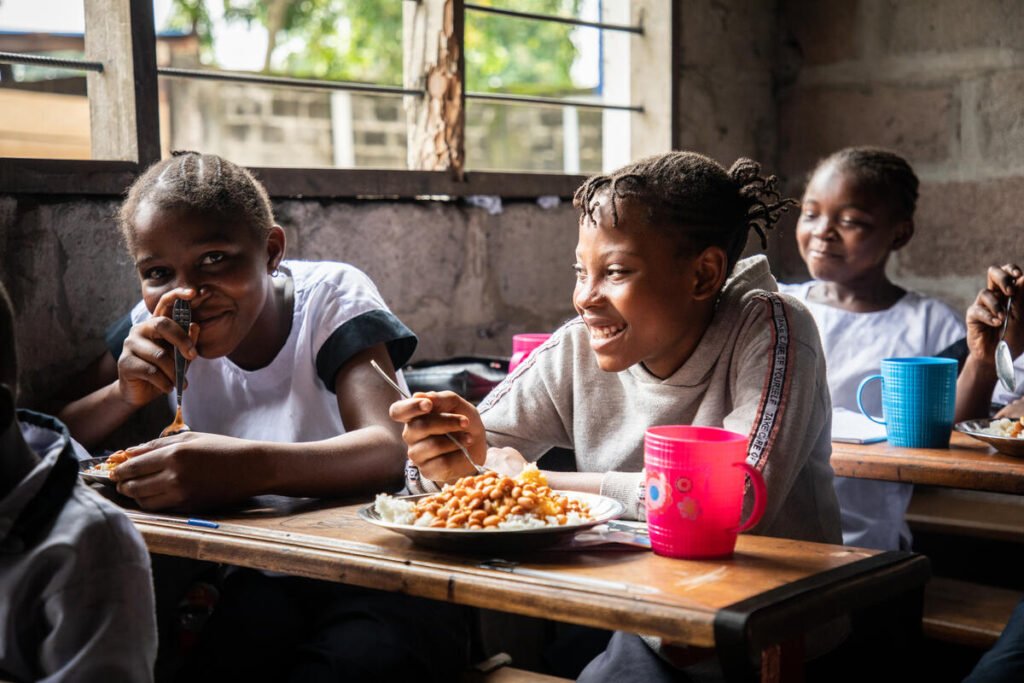
Around the world, educators continue to witness the transformation that occurs when children receive proper nutrition. Classrooms become more energetic, students engage more actively, and the learning environment improves for everyone.
The observance also reminds policymakers that solving complex social challenges often requires practical solutions. A meal served in school may appear simple, but it has the potential to influence health, education and economic development at the same time.
As countries mark International School Meals Day each year, the conversation goes beyond celebration. It becomes a call to expand access to school feeding programmes, strengthen nutrition standards and ensure that no child has to sit through a lesson while hungry.
For millions of children, the promise of a meal at school is more than just food. It is an opportunity to learn, grow and dream about a better future.
Join Our Social Media Channels:
WhatsApp: NaijaEyes
Facebook: NaijaEyes
Twitter: NaijaEyes
Instagram: NaijaEyes
TikTok: NaijaEyes