Across the world, a quiet but powerful shift is taking place in higher education. Employers are increasingly signalling that the most valuable quality in new graduates is no longer simply knowledge or technical expertise but the ability to adapt.
This shift reflects the speed at which industries are changing. Artificial intelligence, automation, climate transitions, and digital transformation are altering job roles faster than traditional university programmes can respond. In such an environment, graduates who can learn quickly, adjust to new tools, and navigate unfamiliar challenges are becoming the most sought-after employees.
Experts in higher education and workforce development argue that adaptability is rapidly becoming the defining skill of the modern graduate. In practical terms, this means being able to learn new systems, shift career paths when necessary, collaborate across disciplines, and apply knowledge to situations that did not exist when students first entered university.
Employers across several regions have already raised concerns about the growing gap between classroom knowledge and workplace expectations. Many organisations report that graduates often perform well academically but struggle when confronted with unpredictable real-world tasks that require creativity, flexibility, and initiative, according to India Today.
This challenge has sparked a wider conversation about how universities prepare students for life beyond graduation. The question many education leaders now face is simple but profound. Are universities equipping students with knowledge for yesterday’s jobs or skills for tomorrow’s world?
The growing consensus is that adaptability may be the answer.
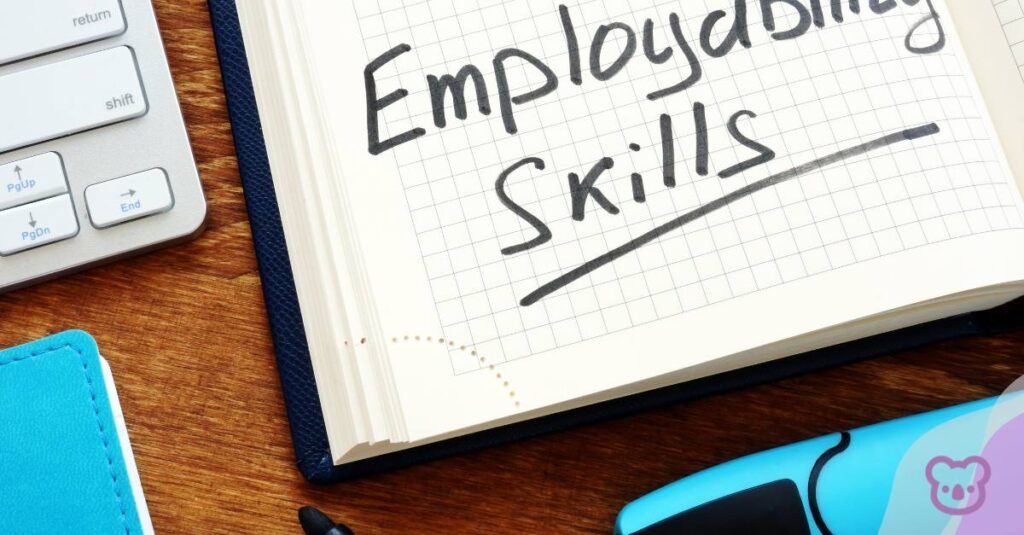
Adaptability and the changing nature of work, and the skills employers demand
The modern labour market is evolving at an unprecedented pace. New job roles appear almost every year, while others disappear or transform completely. Positions such as AI prompt engineer, digital ethicist, and sustainability strategist barely existed a decade ago but are now part of emerging career pathways.
This transformation means graduates must be prepared not just for their first job but for several career transitions throughout their lives. Many professionals today will change industries, learn entirely new technologies, or build careers that combine multiple fields.
Employers are therefore looking beyond academic grades when recruiting. They want candidates who demonstrate resilience, creativity, communication skills, and the ability to solve unfamiliar problems.
Adaptability sits at the centre of all these competencies. A graduate who can quickly understand new challenges, adjust their thinking, and learn continuously will remain relevant even as industries change.
Research into modern education frameworks also highlights the importance of what scholars call adaptive expertise. This refers to the ability to apply knowledge creatively in new contexts rather than simply repeating familiar solutions.
In practical terms, this might mean a software developer learning to work with artificial intelligence tools, a journalist mastering data analysis, or an engineer adapting to sustainability regulations.
For universities, this reality creates a major responsibility. Traditional lecture-based learning that focuses heavily on memorisation may no longer be sufficient. Instead, institutions must help students develop critical thinking, collaboration, and continuous learning habits.
The future workforce will not be defined by what graduates know when they leave university, but by how quickly they can learn afterwards.
Universities under pressure to redesign curricula
As awareness of this shift grows, universities around the world are under increasing pressure to modernise their teaching approaches.
Education experts argue that the current system was largely designed for an industrial era in which career paths were relatively predictable. Students studied a discipline, graduated, and often worked in the same field for decades.
That model no longer reflects reality.
To address this gap, many institutions are experimenting with new forms of teaching that emphasise practical skills alongside academic theory. These approaches include project-based learning, industry partnerships, and interdisciplinary courses that expose students to real world challenges.
Universities are also introducing modules focused on digital literacy, entrepreneurship, and innovation. The goal is to ensure that graduates understand not only their academic field but also how to apply their knowledge in a rapidly evolving workplace.
Education leaders say the future curriculum must combine depth and flexibility. Students should still gain strong expertise in their chosen discipline, but they must also develop transferable skills that can be applied across industries.
One widely discussed concept is the idea of the “T-shaped graduate”. In this model, the vertical line of the letter T represents deep knowledge in a specific field, while the horizontal line represents broader capabilities such as teamwork, problem-solving, and adaptability.
Industry partnerships are also becoming an essential part of curriculum reform. By collaborating with businesses, universities can design programmes that reflect current industry needs rather than outdated assumptions about the job market.
Internships, apprenticeships, and work-integrated learning opportunities are increasingly being embedded within degree programmes to ensure students gain practical experience before graduation.
These changes aim to close the long-standing gap between academic learning and workplace readiness.
Preparing graduates for an uncertain future of adaptability
While the conversation about adaptability is gaining momentum globally, it has particular significance for countries with rapidly growing youth populations.
In many African nations, including Nigeria, thousands of graduates enter the labour market each year. However, the number of traditional jobs is not expanding at the same pace. This reality means graduates must often create their own opportunities through entrepreneurship, innovation, and digital work.
Education experts say universities must therefore prepare students not only to seek employment but also to build new economic opportunities.
Some institutions have begun establishing innovation hubs, startup incubators, and interdisciplinary research centres where students collaborate on solving real societal challenges. These environments encourage experimentation and teach students how to manage uncertainty.
At the same time, technological change continues to reshape education itself. Artificial intelligence, digital platforms, and data-driven tools are transforming how students learn and how teachers deliver instruction.
Scholars studying the integration of AI in education argue that universities must embrace these technologies while also guiding students on their ethical and responsible use. Aligning academic programmes with emerging technologies can help ensure graduates remain competitive in modern industries.
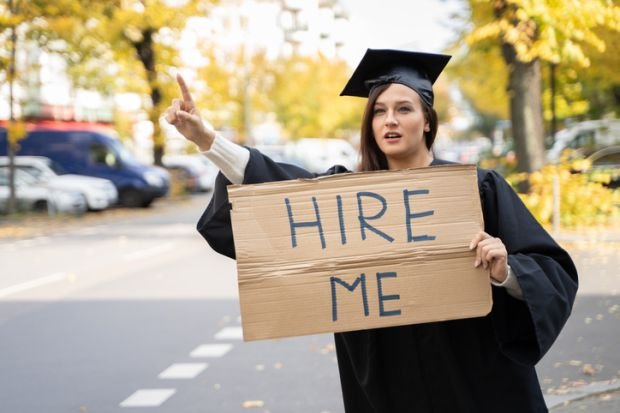
Ultimately, adaptability is not just a skill for students but also for universities themselves. Institutions that are willing to rethink traditional teaching models, collaborate with industry, and adopt new technologies are more likely to produce graduates who thrive in the modern economy.
The message from employers, educators, and policymakers is becoming increasingly clear. In a world defined by constant change, the most successful graduates will not necessarily be those who know the most today but those who are prepared to keep learning tomorrow.
Universities that recognise this reality and redesign their curricula accordingly may shape the next generation of innovators, problem solvers, and leaders.
Those that fail to evolve risk leaving their graduates unprepared for the challenges of a rapidly changing world.
Join Our Social Media Channels:
WhatsApp: NaijaEyes
Facebook: NaijaEyes
Twitter: NaijaEyes
Instagram: NaijaEyes
TikTok: NaijaEyes