

Telecommunications operators in Lagos are preparing for a coordinated infrastructure cleanup exercise aimed at improving network reliability, reducing environmental clutter, and addressing long-standing concerns about abandoned telecom equipment scattered across parts of the city. The initiative, scheduled to begin this week, signals a fresh attempt by operators and regulators to restore order to one of Nigeria’s busiest digital ecosystems.
Industry stakeholders say the exercise will focus on the removal of obsolete cables, damaged fibre installations, unused poles, and abandoned telecom infrastructure that have accumulated over the years as operators expanded aggressively to meet rising demand for voice and data services. The cleanup is also expected to address safety concerns linked to dangling wires and poorly maintained installations in densely populated commercial and residential areas.
The project comes at a time when Nigeria’s telecommunications sector is facing increased pressure to support the country’s growing digital economy. As more Nigerians rely on mobile banking, remote work, e-commerce, online education, and streaming platforms, telecom infrastructure has become more critical than ever. In Lagos, particularly, the concentration of businesses, startups, financial institutions, and tech firms has placed enormous strain on existing infrastructure.
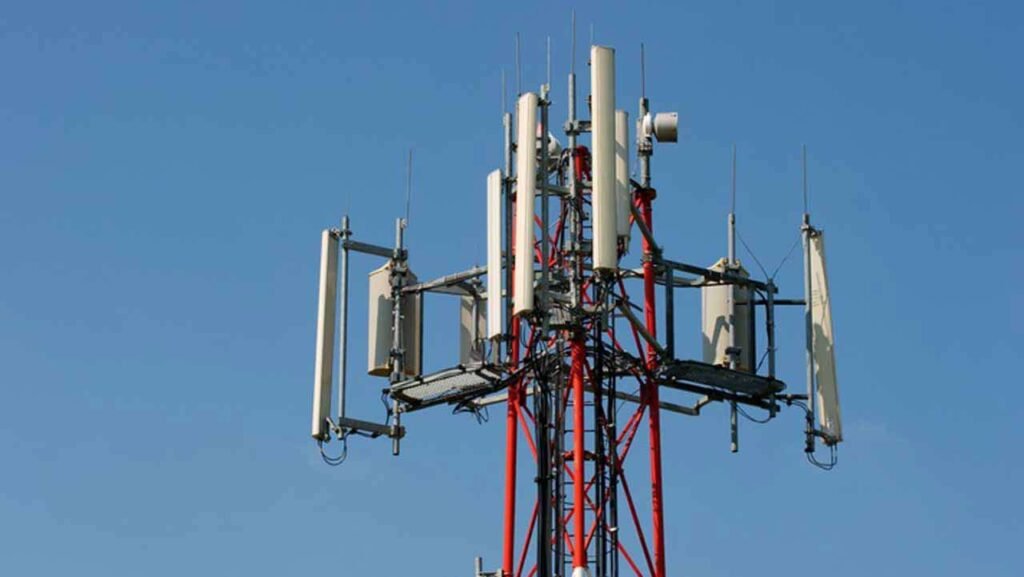
According to reports, operators involved in the exercise believe the cleanup will improve operational efficiency while helping to create a more organised urban environment. Industry analysts also see the move as part of a wider effort to modernise telecom operations ahead of deeper investments in fibre networks, data infrastructure, and next-generation connectivity solutions.
For many Lagos residents, the state of telecom infrastructure has become increasingly difficult to ignore. In several neighbourhoods, cables hang loosely across streets and buildings while disused equipment occupies valuable public spaces. In some cases, residents have complained about poles collapsing during storms or cables interfering with the electricity infrastructure.
Experts say the situation reflects years of rapid expansion without sufficient coordination between operators, local authorities, and utility providers. The race to increase network coverage and data capacity led many telecom companies to deploy infrastructure quickly, often leaving behind outdated installations after upgrades or maintenance projects.
The planned cleanup is expected to involve multiple telecom firms working alongside regulatory agencies and local authorities. Although details of the operational framework are still emerging, industry observers believe the initiative could become one of the largest coordinated telecom infrastructure management exercises undertaken in Lagos in recent years.
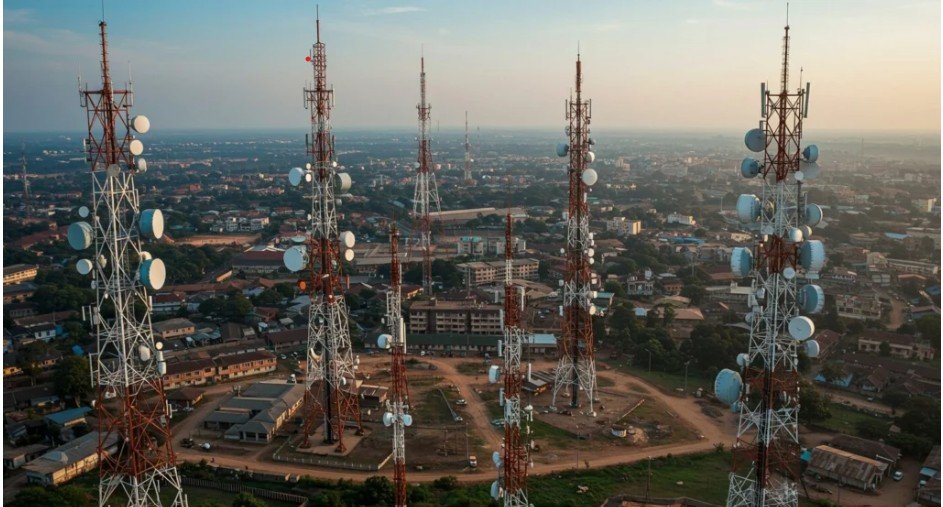
Analysts note that improving infrastructure management is now essential for telecom companies seeking to maintain customer trust. Nigerians increasingly expect seamless connectivity, especially in urban centres where digital services have become deeply integrated into everyday life. From ride-hailing applications to digital payments and virtual meetings, network interruptions now carry significant economic consequences.
Research on telecommunications infrastructure development has shown that modern digital economies depend heavily on efficient and properly managed network systems. Studies on emerging 5G ecosystems suggest that infrastructure optimisation and coordinated maintenance can significantly reduce operational costs while improving service delivery.
The Lagos cleanup initiative may also have environmental implications. Urban development experts have repeatedly warned that unmanaged infrastructure contributes to visual pollution and increases pressure on already congested city spaces. In rapidly expanding cities such as Lagos, infrastructure planning has become closely tied to broader conversations around sustainability, safety, and urban development.
There are also economic motivations behind the exercise. Telecom operators are under increasing pressure to maximise efficiency amid rising operating costs, foreign exchange volatility, and growing competition within Nigeria’s digital services market. Removing redundant infrastructure could help companies reduce maintenance expenses while freeing up resources for network expansion and service improvements.
The sector has experienced significant growth over the past decade, with mobile internet adoption reshaping communication, entertainment, commerce, and financial services across the country. Data consumption continues to rise sharply as Nigerians spend more time online for work, education, and social interaction. This growth has forced operators to constantly expand and upgrade infrastructure in order to avoid congestion and poor service quality.
Industry observers believe Lagos is a natural starting point for such a cleanup because of its role as Nigeria’s commercial nerve centre. The city accounts for a substantial portion of the country’s internet traffic and hosts major technology companies, startups, financial institutions, and media organisations. Any improvement in telecom infrastructure management within Lagos could have ripple effects across Nigeria’s wider digital economy.
Some stakeholders are also calling for stronger collaboration between telecom operators and urban planning authorities. They argue that future infrastructure deployment should be guided by clearer standards to prevent the return of unmanaged installations. Without proper coordination, analysts warn that cleanup exercises could become temporary solutions rather than long-term fixes.
The development comes amid broader conversations about the future of connectivity infrastructure in Africa. Governments and private sector players across the continent are investing heavily in fibre networks, data centres, and digital services as internet penetration continues to grow. Nigeria, with its large population and expanding technology sector, remains one of the continent’s most important telecom markets.
Experts say infrastructure quality will increasingly determine how competitive telecom operators remain in the years ahead. As technologies such as artificial intelligence, cloud computing, and advanced digital payment systems become more widespread, demand for faster and more stable internet services will continue to rise.
For residents and business owners in Lagos, expectations are cautiously optimistic. Many hope the cleanup exercise will not only improve the appearance of streets and public spaces but also lead to stronger and more reliable network performance.
Some urban development specialists believe the initiative could set a precedent for other Nigerian cities struggling with infrastructure management challenges. Cities such as Abuja, Port Harcourt, and Kano are also experiencing rapid digital growth, creating similar pressures on telecom infrastructure and public utilities.
The success of the exercise, however, may depend on sustained enforcement and long-term planning. Industry experts argue that telecom infrastructure management should not be treated as a one-off intervention but as part of an ongoing strategy tied to urban development and digital transformation goals.
With Nigeria pushing deeper into a technology-driven economy, the condition of its telecom infrastructure is likely to remain under close scrutiny. For operators, regulators, and city authorities, the Lagos cleanup exercise may represent more than just a maintenance operation. It could become a test case for how Nigeria manages the physical backbone of its digital future.
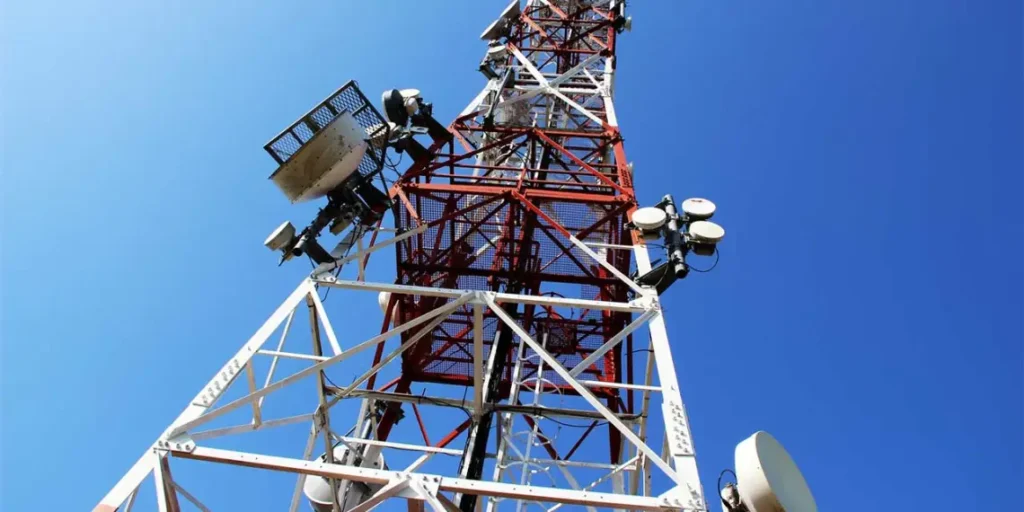
Back Story: Why Telecom Infrastructure Management Has Become Urgent in Lagos
Over the last two decades, Lagos has transformed into one of Africa’s fastest-growing technology and communications hubs. The rapid expansion of mobile networks, fibre infrastructure, internet services, and digital businesses created enormous pressure on the city’s physical infrastructure.
Telecom operators raced to expand coverage as millions of Nigerians gained access to smartphones and mobile internet services. In many cases, installations happened faster than urban planning systems could effectively regulate. The result was an accumulation of cables, poles, fibre ducts, and telecom equipment across several parts of the city.
Urban researchers have repeatedly highlighted the broader infrastructure pressures facing Lagos, including congestion, rapid urbanisation, and inconsistent public utility management. Studies examining infrastructure systems in the city suggest that poor coordination between public and private stakeholders often contributes to maintenance challenges and urban clutter.
The latest cleanup initiative reflects a growing recognition within the telecom industry that infrastructure quality is now directly linked to customer experience, environmental management, and long-term digital growth.
Join Our Social Media Channels:
WhatsApp: NaijaEyes
Facebook: NaijaEyes
Twitter: NaijaEyes
Instagram: NaijaEyes
TikTok: NaijaEyes