
The global conversation about human rights is entering a new phase as digital technology increasingly shapes how activism, advocacy and civic engagement take place. From online campaigns to encrypted communication, human rights defenders now rely heavily on digital tools to document abuses, organise communities and demand accountability. Yet the same technologies that empower them can also expose them to surveillance, harassment and repression.
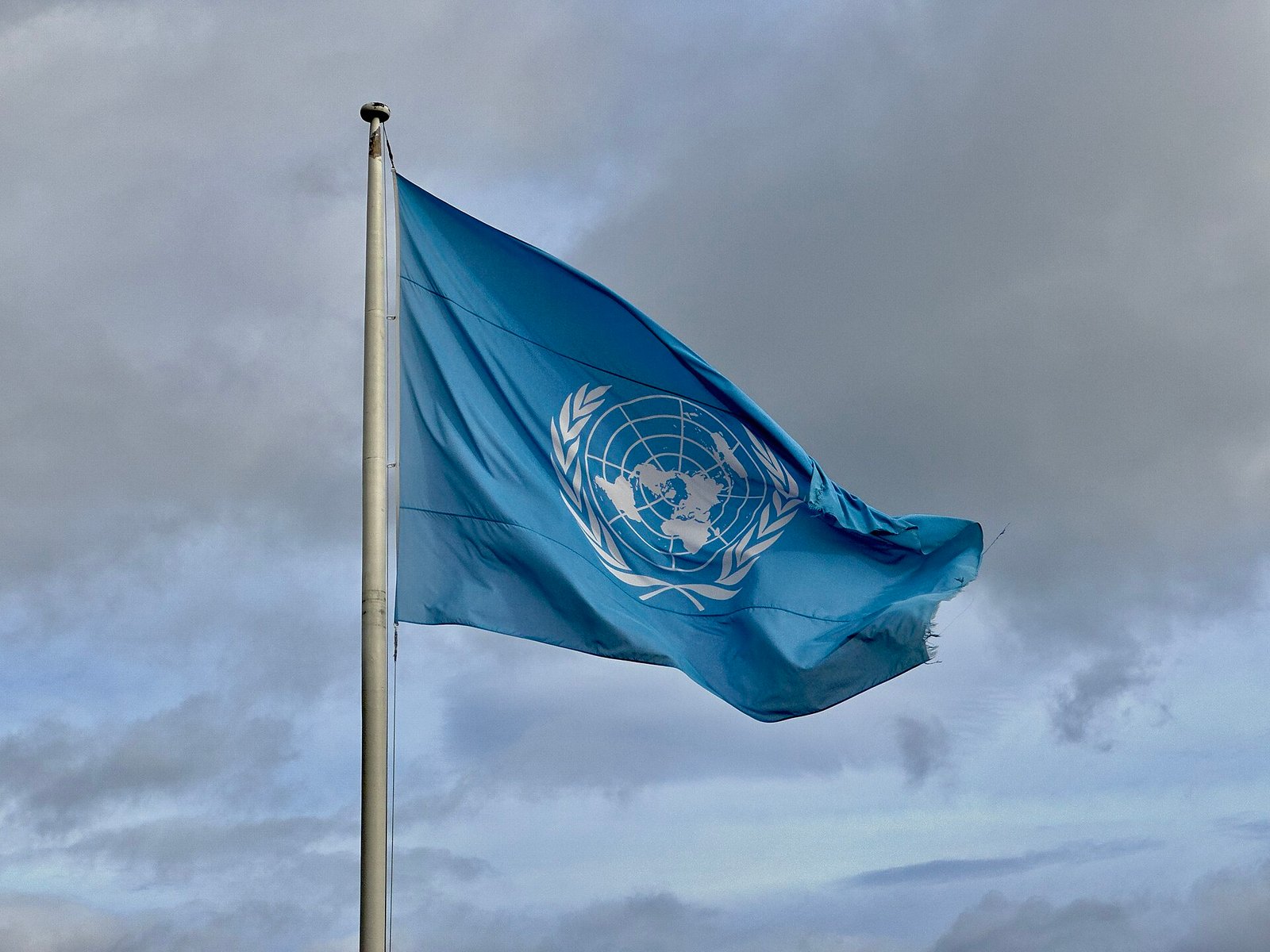
Against this backdrop, the Office of the United Nations High Commissioner for Human Rights has issued a global call for submissions to help shape a major report on protecting human rights defenders in the digital age. The initiative invites governments, civil society groups, researchers, technology companies and individuals to share experiences and recommendations on the growing risks faced by activists operating online.
The effort is part of a broader push within the international community to better understand how digital technologies are transforming the human rights landscape. As digital surveillance expands and artificial intelligence tools become more widespread, defenders working for justice are increasingly finding themselves on a new frontline.
This call for input is an important opportunity for voices around the world, including those from Africa and Nigeria, to help shape global policy on digital rights and protections.
Why Human Rights Defenders Face New Risks in the Digital Era
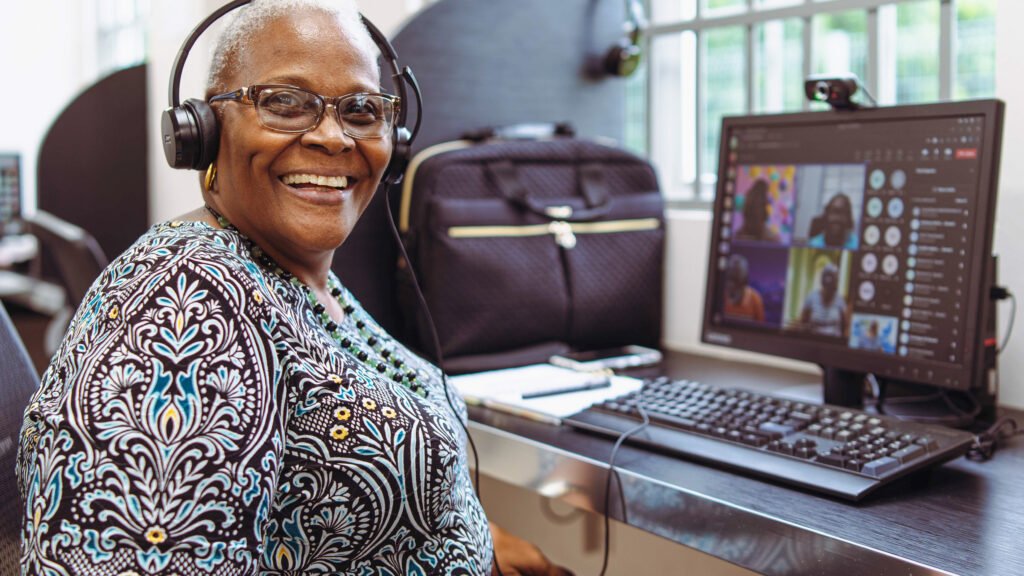
Human rights defenders have always operated in difficult environments. They challenge powerful institutions, expose abuses and often speak on behalf of marginalised communities. In the past, the threats they faced were largely physical or legal. Today, however, digital threats are rapidly becoming just as dangerous.
Modern technology has created powerful tools that can be used both to advance rights and to undermine them. Online harassment campaigns, spyware, digital surveillance and internet shutdowns are now commonly reported challenges facing activists across many regions. Governments and non state actors can monitor communications, track activists through digital footprints and manipulate information online to discredit advocacy efforts.
International organisations have warned that the misuse of emerging technologies such as artificial intelligence systems, biometric surveillance and intrusive spyware could severely undermine the safety of defenders. These tools can be used to monitor activists, identify networks of dissent and suppress civic space before protests or campaigns even begin.
Digital platforms have also introduced new forms of intimidation. Activists frequently face coordinated online harassment, doxxing, and disinformation campaigns designed to silence them or damage their reputations. For many defenders, particularly women and young activists, these digital attacks create serious psychological and professional consequences.
At the same time, the digital divide remains a major issue. While technology can empower advocacy, unequal access to secure digital infrastructure leaves many defenders vulnerable. Without strong protections and digital literacy tools, activists may unknowingly expose themselves to cyber threats or surveillance.
These evolving risks have prompted global institutions to reconsider how existing human rights frameworks apply in a rapidly changing technological environment.
The UN Initiative Seeking Global Contributions
The new call for inputs by the Office of the United Nations High Commissioner for Human Rights aims to collect evidence, research findings and policy proposals that can inform an upcoming report to the UN Human Rights Council.
The initiative is being conducted under a Human Rights Council mandate that focuses on the relationship between human rights defenders and new or emerging technologies. The goal is to better understand how digital tools affect the work and safety of activists across different regions and contexts.
Organisations, experts and individuals are invited to submit written contributions addressing a range of key questions. These include how digital technologies are being used to support or suppress human rights work, what types of threats defenders face online, and what policies or safeguards can help protect them.
The call specifically seeks information about several areas. Contributors are encouraged to share case studies or research on digital surveillance targeting activists, the impact of artificial intelligence on civic freedoms, and the role of private technology companies in protecting or undermining rights. The process also welcomes insights into legal frameworks, best practices for digital security and strategies that governments or organisations have adopted to safeguard defenders.
Submissions will contribute directly to the preparation of a report that will later be presented to the UN Human Rights Council. The report is expected to analyse the risks posed by digital technologies and propose measures that governments and other stakeholders can take to strengthen protections for activists.
According to the UN human rights office, the consultation aims to ensure that policies and recommendations are grounded in real experiences from around the world rather than theoretical discussions alone.

Why This Global Consultation Matters
The protection of human rights defenders has long been recognised as a cornerstone of democratic societies. These individuals and organisations play a crucial role in holding authorities accountable, exposing corruption and advocating for vulnerable communities.
However, the rapid expansion of digital technologies has created challenges that traditional human rights frameworks did not fully anticipate. Digital tools have dramatically altered the way information is produced, shared and controlled. As a result, defenders now operate in an environment where threats can emerge from both physical and virtual spaces.
International experts warn that digital repression is becoming a growing concern worldwide. Governments can deploy sophisticated monitoring tools to track activists, while non-state actors can launch coordinated online campaigns to intimidate or silence critics.
At the same time, digital platforms have become essential spaces for activism. Social media, encrypted messaging applications and online publishing tools allow defenders to reach global audiences, mobilise supporters and document human rights abuses in real time.
Balancing these opportunities and risks is one of the major challenges facing policymakers today. The UN consultation seeks to provide a clearer understanding of this balance by gathering insights from people working directly on the frontlines of human rights advocacy.
For many civil society organisations, the call represents a chance to influence international policy. By sharing their experiences, activists and researchers can help shape recommendations that may eventually guide national laws, corporate practices and global digital governance frameworks.
Implications for Africa and the Global South
The issues being examined by the UN consultation are particularly relevant for countries in Africa and other developing regions where digital transformation is accelerating rapidly.
Across the continent, internet access and smartphone usage have expanded dramatically over the past decade. This has opened new spaces for civic engagement, enabling citizens to organise online campaigns, expose corruption and mobilise support for social justice movements.
At the same time, concerns about digital repression are also growing. Reports of internet shutdowns during elections, restrictions on online speech and the use of surveillance technologies have raised alarms among human rights organisations.
In countries like Nigeria, where social media plays a powerful role in public discourse, digital rights have become closely linked with democratic participation. Activists, journalists and civil society groups rely heavily on online platforms to advocate for reforms and document human rights violations.
The UN initiative, therefore, offers an opportunity for African voices to shape international discussions about digital governance and human rights protection. Input from the region could highlight unique challenges such as weak regulatory frameworks, limited cybersecurity capacity and the risks posed by imported surveillance technologies.
Experts argue that ensuring inclusive participation in these global conversations is essential. Policies designed without considering the realities of the Global South may fail to address the specific threats faced by activists in these regions.
Building a Safer Digital Environment for Human Rights Advocacy Globally
As digital technologies continue to evolve, protecting human rights defenders will require cooperation between governments, technology companies, civil society organisations and international institutions.
Experts emphasise that no single solution will address the complex risks facing defenders in the digital age. Instead, a combination of legal protections, technological safeguards and strong accountability mechanisms will be necessary.
Governments may need to strengthen laws protecting freedom of expression and privacy while ensuring that surveillance powers are strictly regulated. Technology companies also play a critical role by designing platforms that prioritise user safety and prevent misuse of digital tools for repression.
Civil society organisations can contribute by promoting digital security training, raising awareness about online threats and advocating for stronger protections at both national and international levels.
The UN consultation represents an important step in this broader process. By gathering insights from across the world, the upcoming report aims to provide practical recommendations that can help ensure human rights defenders are able to continue their vital work safely in the digital age.
Ultimately, the challenge is not simply about regulating technology but about preserving the fundamental freedoms that underpin democratic societies. As digital spaces become increasingly central to public life, safeguarding those who defend human rights online is becoming one of the defining issues of our time.
Join Our Social Media Channels:
WhatsApp: NaijaEyes
Facebook: NaijaEyes
Twitter: NaijaEyes
Instagram: NaijaEyes
TikTok: NaijaEyes