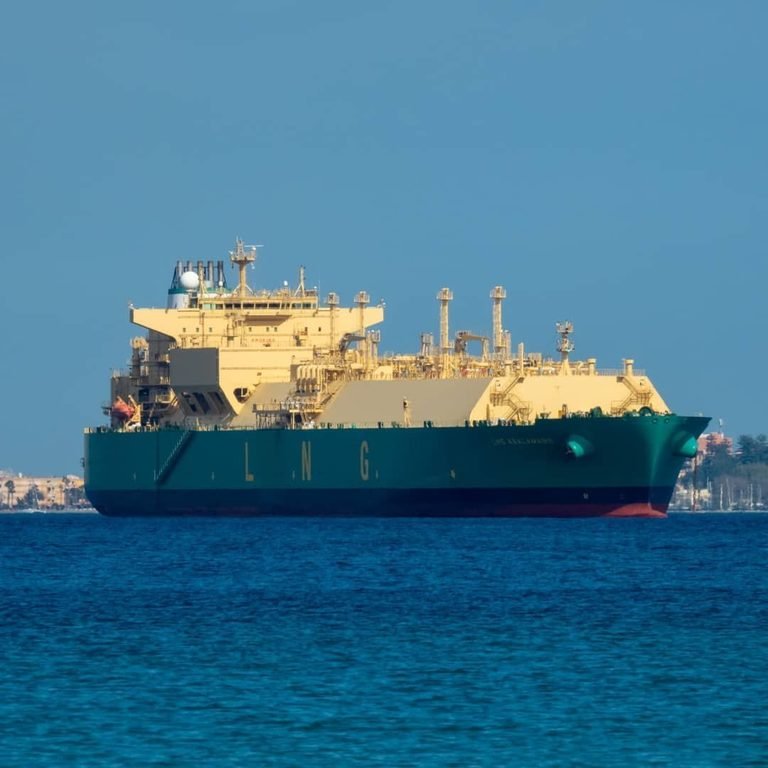
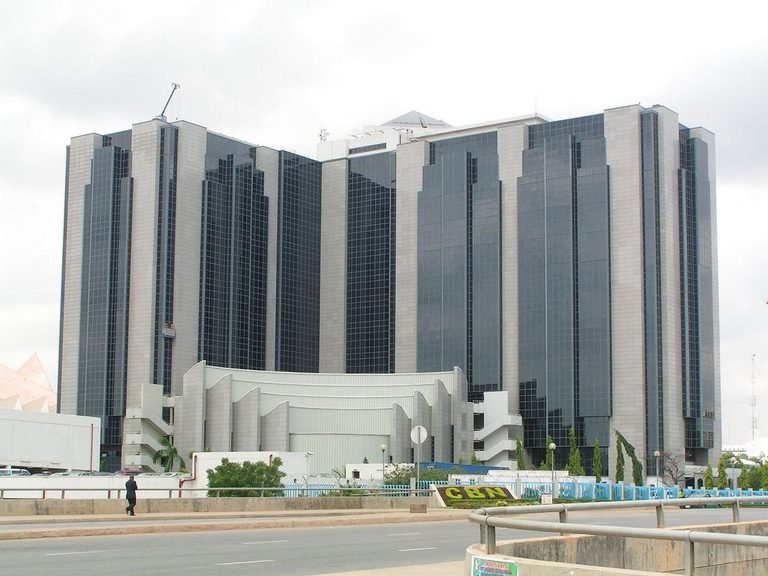
NNPC projects a 100,000 bpd crude oil production increase to bolster Nigeria’s 2026 energy output
The Nigerian National Petroleum Company Limited (NNPC) has signaled a significant turning point for the nation’s energy sector, announcing a projected increase in crude oil production by 100,000 barrels per day (bpd) in the coming months.
This development comes at a time when the “vibrations” of the global energy market are increasingly volatile, making Nigeria’s ability to ramp up its output a matter of both national security and fiscal survival.

As a professional editor who has closely followed the ebbs and flows of our petroleum industry, I see this announcement as a bold statement of confidence. It suggests that the systemic “bottlenecks” that have historically hampered our production levels are finally being addressed with the technical and strategic “ginger” required to see real results on the international stage.
Strengthening the backbone of Nigeria’s oil production capacity
At the heart of this optimistic forecast is a series of strategic maneuvers designed to optimize existing assets and bring new wells into the production loop.
The NNPC leadership has emphasized that this 100,000 bpd boost is not just a theoretical target but a practical milestone supported by ongoing technical audits and infrastructure upgrades. For a nation that relies heavily on “black gold” to fund its development, every extra barrel counts toward stabilizing the economy.
This projected increase is expected to bring our total daily output closer to the targets set by the government and international regulatory bodies. From a professional standpoint, the focus on increasing capacity is a clear signal to foreign investors that Nigeria is open for business and remains a dominant force in the African energy landscape.
Strategic security interventions and the recovery of “shut-in” assets
A critical factor in this anticipated production surge is the continued success of the “war on crude oil theft” and the improved security architecture in the Niger Delta. For years, “shut-in” assets—oil wells that were closed due to insecurity or technical failures—have represented a massive loss of potential revenue.
The NNPC’s collaboration with security agencies and host communities has created a more stable environment for international oil companies (IOCs) to return to work and reactivate these dormant assets. This recovery effort is essential because it allows the nation to harvest the “low-hanging fruit” of existing capacity before even breaking ground on new exploration projects.
By securing the pipelines, the government is effectively ensuring that the wealth of the nation actually reaches the terminals rather than being bled away by vandals.
Impact on national revenue and the 2026 fiscal roadmap
The economic implications of adding 100,000 bpd to our national tally are profound. In the context of the 2026 budget, this extra volume provides a vital “cushion” for our foreign reserves and a stronger platform for the Naira to find its footing.
More oil means more dollars, and more dollars mean a greater ability for the Central Bank to manage liquidity in the foreign exchange market. As an editor tracking the impact on the “common man,” I recognize that while these figures may seem abstract, they eventually translate into the government’s ability to fund infrastructure, education, and healthcare.
If this production target is sustained, it will provide the fiscal “breathing space” needed to reduce our national deficit and move toward a more predictable economic cycle for the remainder of the year.
Navigating technical challenges and market expectations
While the outlook is undeniably positive, the path to achieving a consistent 100,000 bpd increase requires sustained discipline and transparent management. The Nigerian petroleum industry must move beyond the “boom and bust” mentality and focus on long-term sustainability. This involves not only pumping more oil but also investing in the maintenance of aging infrastructure to prevent future “shut-ins.
” Furthermore, as the world gradually pivots toward a green energy transition, Nigeria must use the proceeds from this current production boost to diversify its energy mix.
The goal is to ensure that our current reliance on crude oil serves as a bridge to a more resilient and multi-faceted energy future. If the NNPC can deliver on this promise, it will go a long way in restoring Nigeria’s reputation as a reliable and ambitious energy giant.
Join Our Social Media Channels:
WhatsApp: NaijaEyes
Facebook: NaijaEyes
Twitter: NaijaEyes
Instagram: NaijaEyes
TikTok: NaijaEyes