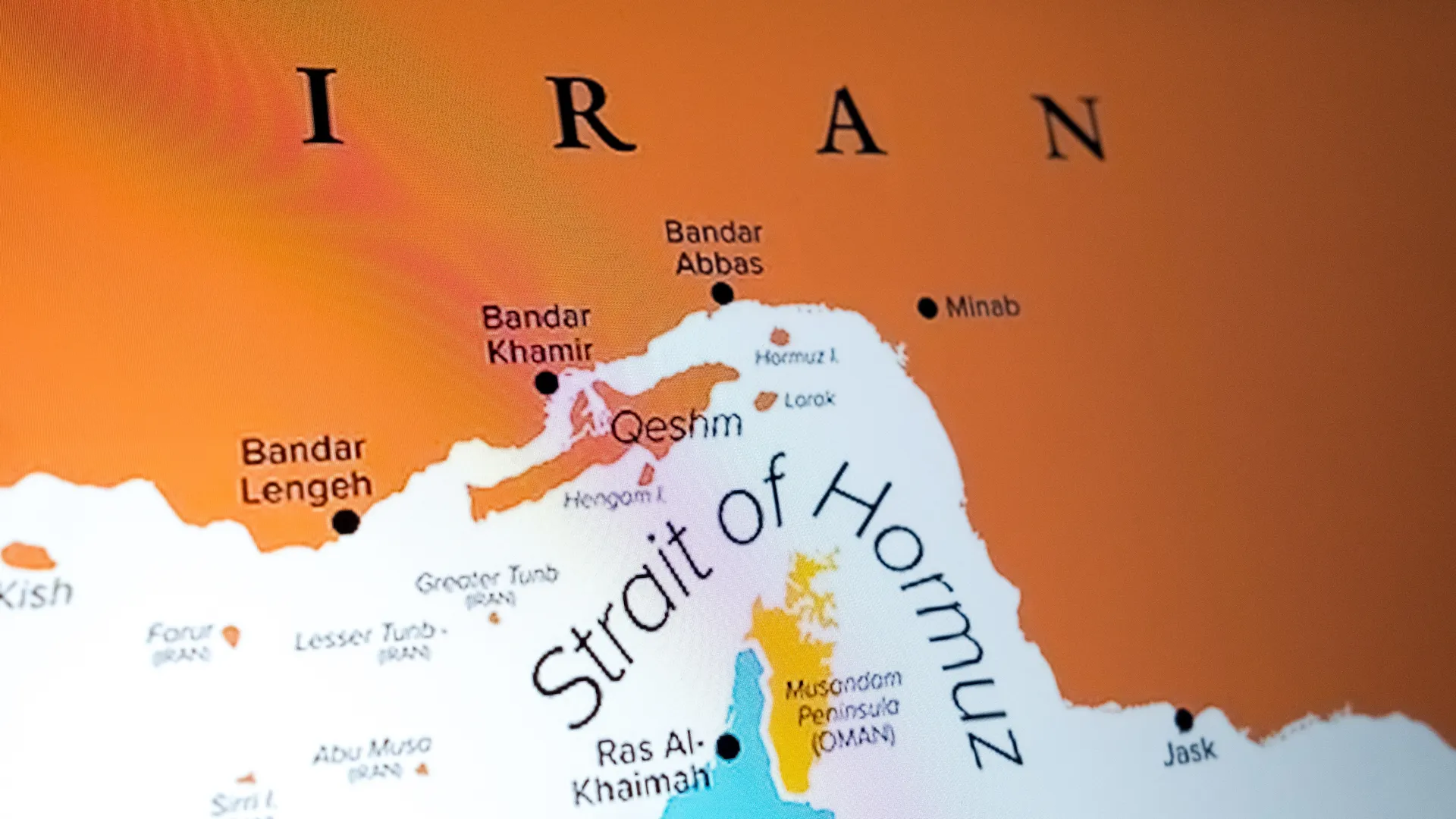

Few places in the world receive as much attention as the Strait of Hormuz during periods of increased tension in the Middle East. This vital maritime route has been a focal point in the continuing geopolitical conflict among Iran, the United States, and their allies, despite being small and frequently ignored on maps.
The Strait of Hormuz, which stretches between the Persian and Gulf of Oman, is one of the most significant chokepoints for oil flow worldwide. It carries an astounding portion of the world’s energy supply despite being only 33 kilometres wide at its narrowest point.
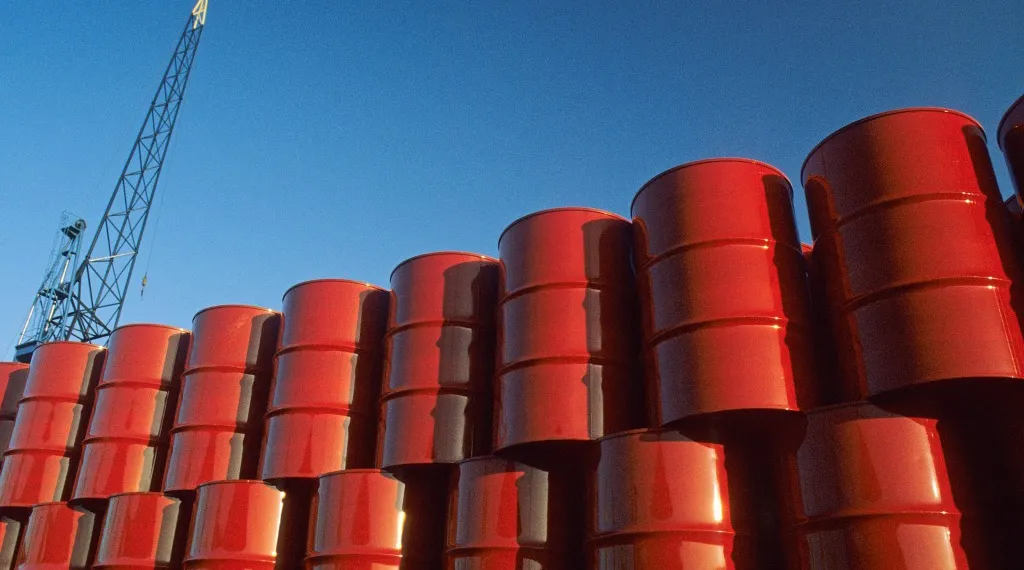
Every day, around a fifth of the world’s oil consumption travels via this corridor, making it essential for producers and consumers on all continents.
Why the Strait Matters
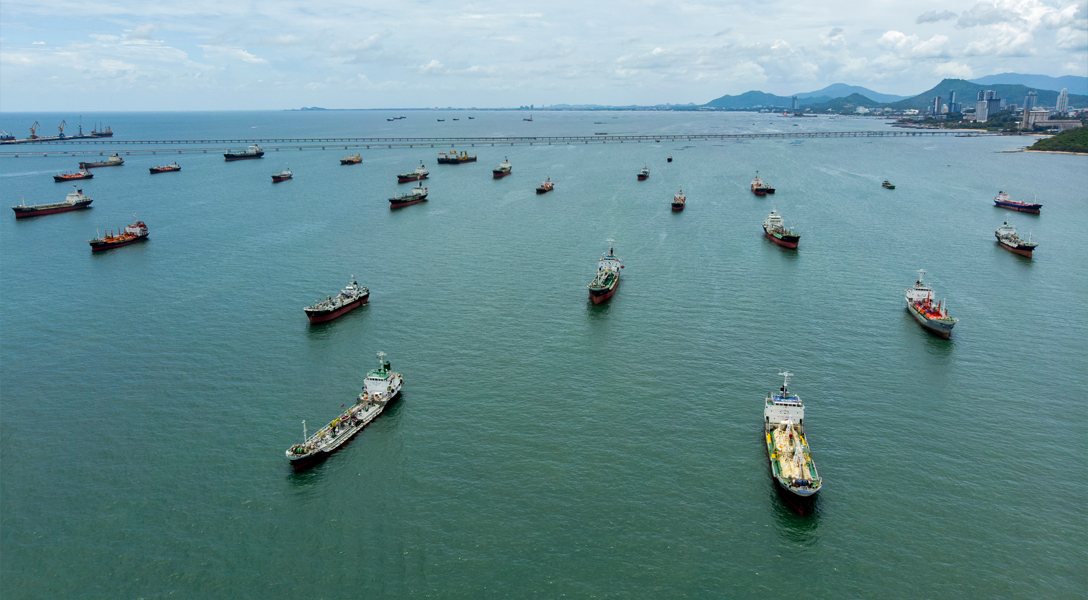
As the main export route for major oil-producing nations like Saudi Arabia, Iraq, Kuwait, and the United Arab Emirates, the Strait is strategically significant. Any disruption in this narrow passage can immediate ripple effects on global oil prices, shipping costs, and economic stability.
In recent years, tensions have repeatedly flared, with threats from Iran to close the Strait in response to sanctions or military pressure. Such a move would not only escalate regional conflict but could trigger a global energy crisis.
Who Controls the Strait—and Why It’s Complicated
Control of the Strait of Hormuz is not held by a single country. It is rather shaped by geography, international law, and military presence.
Iran is located on one side of the Strait, while Oman is on the other. Both nations have immediate geographic authority over portions of the waterway because their territorial seas extend into it.
READ ALSO: Iran swears major revenge after Trump’s 48-hour ultimatum over Hormuz Strait
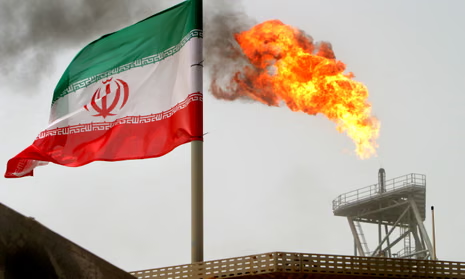
However, the Strait is regarded as an international waterway under international marine law, including the principle of transit passage. This makes it possible for ships from various countries to sail through without any problems, even in tense situations.
Despite this legal framework, Iran holds significant practical influence. Its coastline runs along much of the northern edge of the Strait, and it maintains a strong naval presence in the area. This proximity gives Tehran the ability to threaten or disrupt shipping traffic, which it has repeatedly used as leverage during standoffs with the West.
At the same time, the United States and its allies maintain naval forces in and around the region to ensure the waterway remains open. U.S. patrols and international coalitions are designed to deter any attempt to block the Strait and to protect commercial vessels moving through it.
The Strait of Hormuz is essentially a delicate equilibrium that is geographically shared, legally open to all, and strategically contested.
The Current Crisis Context
Amid the ongoing Middle East war crisis—particularly involving Israel, Iran, and Western powers, the Strait has been placed under intense scrutiny.
While the Strait of Hormuz remains a very delicate yet key passage for global oil, it is a source of leverage for Iran. It has a strong negotiating position in disputes with the West because of its geographic location, which gives it the ability to possibly impede or control maritime traffic.
On the other hand, maintaining the Strait’s openness is a strategic objective for the US. U.S. foreign policy has always placed a strong emphasis on freedom of navigation in international waters, especially in areas vital to international trade.
Why Trump Is So Invested
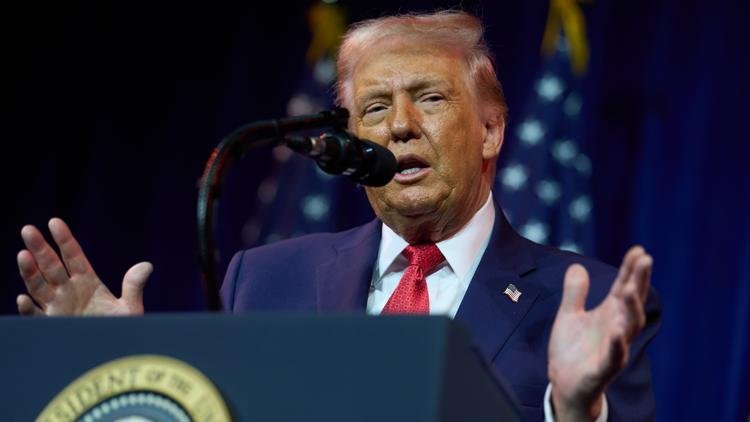
United States President, Donald Trump, has continuously adopted a tough attitude on Iran, particularly during the “maximum pressure” campaign of his administration. It is important to consider his strategy for the Strait of Hormuz in the context of that larger policy framework.
Trump’s tough stance, which included everything from military signalling to economic penalties, was primarily intended to limit Iran’s influence in the area and stop it from utilising the Strait as a geopolitical weapon.
Beyond security issues, there are significant financial risks. Any protracted disruption in the Strait would cause oil prices to skyrocket, impacting both international markets and, most importantly, American consumers. U.S. interests in safeguarding the world economy are in line with keeping the waterway stable.
A Global Flashpoint
Ultimately, the Strait of Hormuz is a pressure point where political power, military strategy, and global economics converge, making it more than just a shipping route.
The world’s focus is still on this small area of water as tensions in the Middle East continue to rise. Any increase in this area would not remain local; it would have an impact on global markets, influencing everything from supply chains in Asia to fuel costs in Africa.
One thing is certain in an uncertain crisis: the world economy is greatly influenced by whoever controls or threatens the Strait of Hormuz.
Nigeria’s Paradox: Oil Producer, Fuel Importer
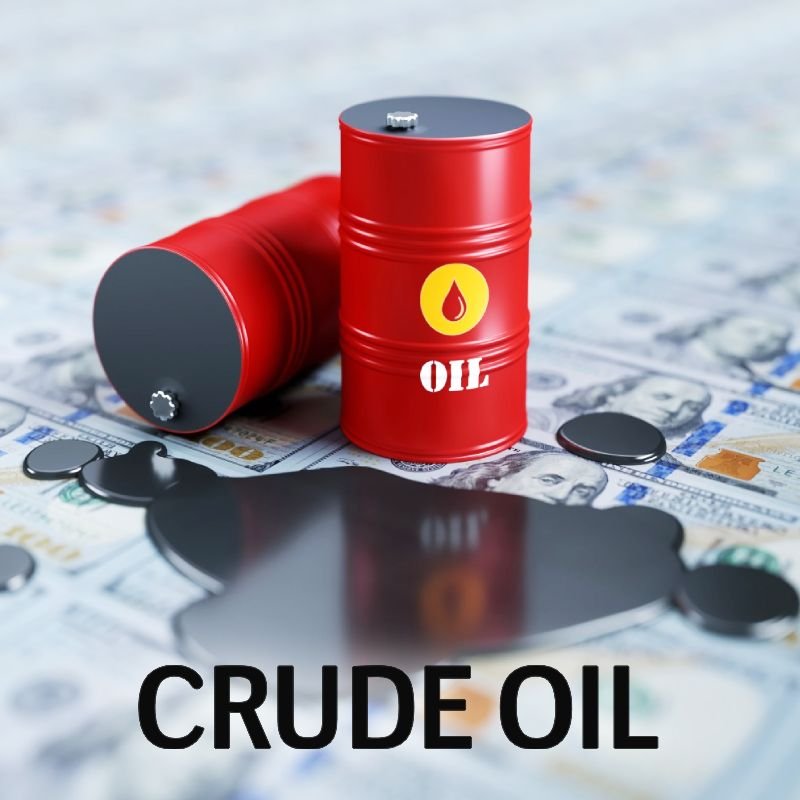
For Nigeria, the impact of tensions around the Strait of Hormuz is both indirect and deeply paradoxical. Despite being Africa’s largest crude oil producer, the country still relies heavily on importing refined petroleum products such as Premium Motor Spirit (PMS).
This implies that Nigeria does not have the same advantages as a typical oil exporter when Middle Eastern unrest raises global oil prices or interferes with supply lines. Rather, it must contend with growing landing costs for imported petroleum, which frequently result in higher pump prices, more expensive transportation, and general inflation.
Join Our Social Media Channels: