Naira faces fresh pressure as global dollar strength pushes exchange rate to N1,391
The Nigerian economic landscape woke up to a sobering reality this week as the Naira experienced another dip in the foreign exchange market, settling at N1,391 against the US Dollar.
For those of us who track the “vibrations” of the financial sector, this move reflects a complex interplay between local demand and a global environment that is becoming increasingly jittery.
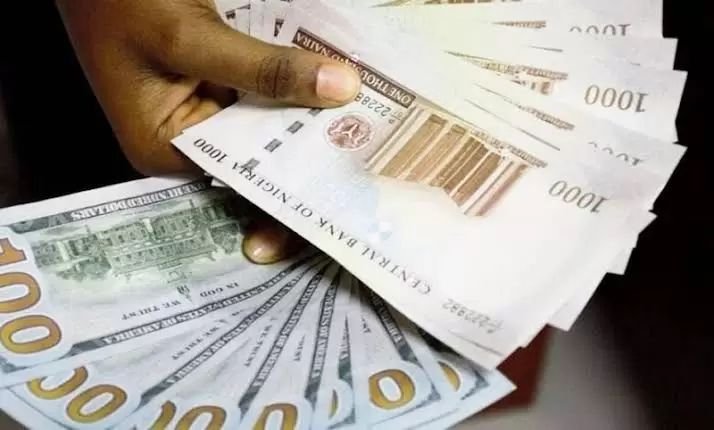
As a professional editor who has watched our currency’s journey through various cycles, it is important to humanize these figures. This is not just a digit on a screen; it represents the “purse” of the average Nigerian and the operational costs for businesses across the Federation.
The strengthening of the Greenback is currently a global phenomenon, driven by renewed concerns over inflation in major economies, yet the impact is felt most acutely in import-dependent markets like ours.
Global inflation concerns and the rally of the United States Dollar
The primary driver behind this recent shift is the unexpected resilience of inflation in the United States and Europe. This has led international investors to flock back to the “safety” of the US Dollar, anticipating that interest rates abroad will remain higher for longer than previously expected.
When the Dollar “flexes its muscles” on the global stage, emerging market currencies, including our Naira, often bear the brunt of the pressure. For the Nigerian professional, this means that the cost of importing essential raw materials and finished goods is once again under scrutiny.
The sentiment in the global markets is currently one of caution, and this caution translates into a tighter foreign exchange supply for nations currently navigating their own internal fiscal reforms.
Local market reactions and the struggle for currency stability
Within our borders, the reaction to the N1,391 rate has been one of calculated concern. The “common man” feels this pressure at the local market, where the price of staples often mirrors the fluctuations in the FX window.
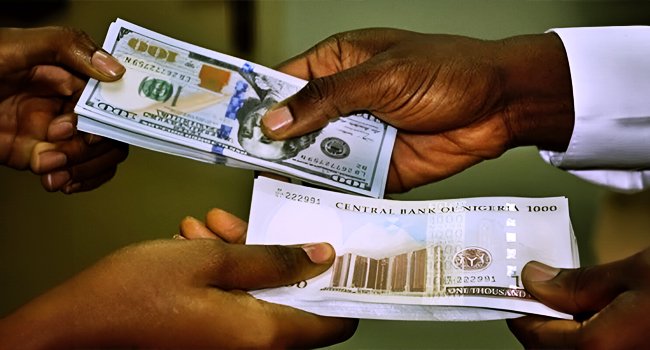
Business owners are also finding it increasingly difficult to plan for the long term when the “landing cost” of goods remains a moving target. From a professional editorial perspective, the resilience of the Nigerian spirit is evident as entrepreneurs seek ways to “hedge” against these fluctuations. However, the systemic pressure on the Naira remains a significant bottleneck.
The Central Bank of Nigeria (CBN) continues to deploy various tools to manage liquidity and curb speculative activities, but the sheer weight of global economic trends makes this an uphill task for our monetary authorities.
The ripple effect on domestic prices and the cost of living
One cannot discuss the exchange rate without addressing the direct impact on the Nigerian household. As the Naira weakens, the inflationary pressure on “petrol,” food, and transportation becomes more pronounced. We are seeing a situation where the “vibrations” in Washington or London eventually dictate the price of a loaf of bread in Lagos or Kano.
This interconnectedness is a stark reminder of why economic diversification is no longer just a “buzzword” but a survival strategy.
To cushion the effect of these “shocks,” there is an urgent need for policies that encourage local production and reduce our collective appetite for foreign-made goods. Until we can produce more of what we consume, our national currency will remain vulnerable to the changing tides of the global inflation narrative.
Strategic outlook: Navigating the path to a resilient exchange rate
Looking forward, the roadmap to stability requires a delicate balance of fiscal discipline and strategic intervention. While the current rate of N1,391 is challenging, it also provides a clear signal that the era of “cheap” foreign exchange is behind us.
For Nigeria to truly find its footing, we must focus on improving our foreign exchange inflows through non-oil exports and attracting more sustainable foreign direct investment. As a professional observer, I believe that while the current “tension” in the market is palpable, it also presents an opportunity for structural reform.
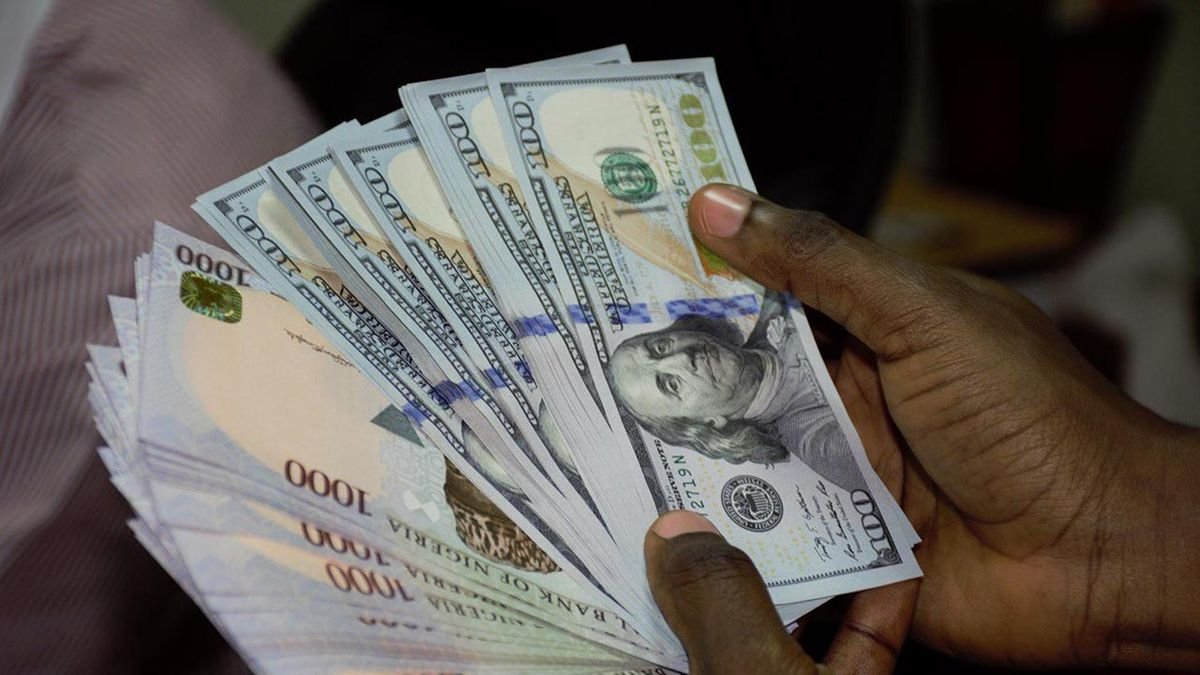
If we can harness the “ginger” of our local industries and fix the leaks in our revenue collection, the Naira can eventually find a level of stability that allows for predictable growth. The goal is to move from a position of reaction to one of proactive economic management.
Join Our Social Media Channels: