The Gulf Crisis and Nigeria’s fiscal moment of truth
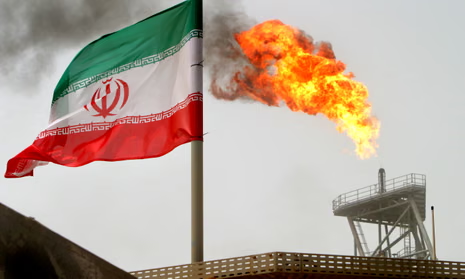
The global energy market is currently standing on a knife’s edge, and for Nigeria, the stakes have never been higher. What began as a localized tension in the Gulf has rapidly morphed into a full-scale energy shock following the near-total closure of the Strait of Hormuz.
As the world’s most critical maritime chokepoint for oil is throttled, the ripple effects are washing up on our shores with an intensity that demands more than just casual observation.
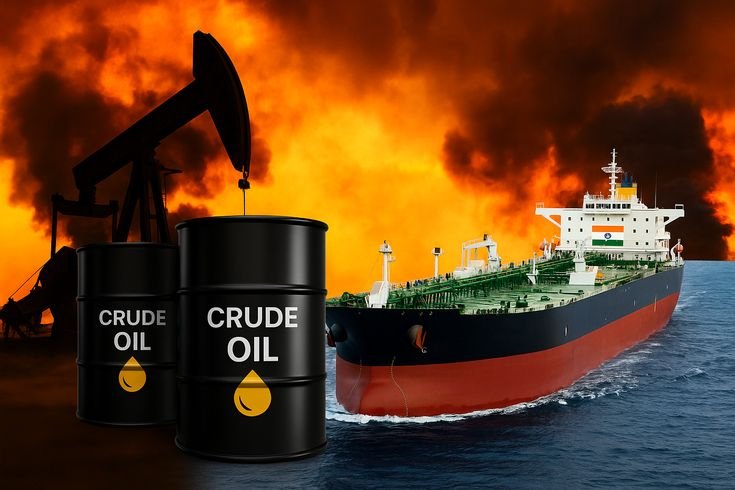
For Nigeria, this crisis has delivered a unique “windfall with a sting”a surge in global oil prices that looks like a blessing on paper but carries a heavy inflationary burden for the average citizen.
As a nation, we are now facing a fiscal moment of truth: will we use this temporary gain to fortify our future, or will we allow it to be swallowed by the immediate pressures of a volatile economy?
The global supply shock and its impact on the Nigerian budget
The closure of the Strait of Hormuz has essentially removed a massive volume of crude oil from the global daily supply, sending Brent crude prices on a rollercoaster ride. For a country like ours that relies heavily on petrodollars, prices soaring above $100 per barrel typically suggest a budget surplus.
However, the reality of the 2026 fiscal year is far more complex. While our revenue potential is rising, the cost of importing refined petroleum products, which we still depend on to meet domestic demand has also skyrocketed.
This situation creates a paradoxical challenge where the government earns more from crude sales but must spend significantly more to keep fuel prices at the pump from reaching unbearable levels. The fiscal authorities are now caught in a delicate dance, trying to balance these extra earnings against the rising cost of living that is stretching the Nigerian household to its limit.
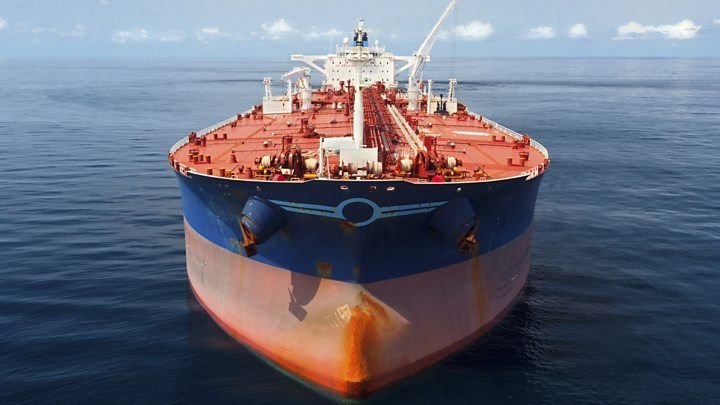
Navigating the inflationary sting of the energy crisis
Beyond the halls of the Ministry of Finance, the “sting” of the Gulf crisis is being felt in the markets of Lagos, Kano, and Port Harcourt. Energy is the lifeblood of our economy, and when global prices spike, the cost of transportation and manufacturing follows suit almost instantly.
This has triggered a fresh wave of inflationary pressure, making basic commodities more expensive for the man on the street. Even as we see a boost in our external reserves, the purchasing power of the naira remains under fire.
The “moment of truth” here is recognizing that we cannot simply rely on high oil prices to save us; without a strategic approach to managing domestic energy costs and protecting the vulnerable, the fiscal gains we celebrate today could easily be neutralized by a deeper social and economic crisis tomorrow.
Prioritizing long-term stability over temporary fiscal gains
History has taught us that high oil prices are often a double-edged sword for Nigeria. In previous cycles, we have seen windfalls consumed by recurring expenditures rather than being saved in our “rainy day” funds.
The Society for Corporate Governance and other economic observers have rightly pointed out that this crisis should be a wake-up call for diversification. We cannot continue to be a nation whose fiscal health is tied so tightly to the apron strings of Middle Eastern politics.
Now is the time to double down on our domestic refining capacity and invest in non-oil revenue streams that can provide a more stable foundation for the economy. The current windfall should be treated as a bridge to a more resilient future, not just a temporary patch for our immediate deficits.
The path forward in an era of global energy uncertainty
As the world watches the Strait of Hormuz with bated breath, Nigeria must look inward and ask difficult questions about its economic trajectory.
The path forward requires a blend of fiscal discipline and bold reform. We must ensure that the extra revenue coming in from the current market volatility is channeled into infrastructure and projects that will reduce our long-term dependence on imported energy.
This is our moment of truth—a chance to break the cycle of “boom and bust” and finally put the Nigerian economy on a sustainable path. While we hope for a peaceful resolution in the Gulf, our strategy must assume that global volatility is the new normal. Only by taking charge of our fiscal destiny can we hope to weather this storm and emerge as a more self-sufficient and prosperous nation.
Join Our Social Media Channels: