Nigeria’s drive to strengthen its industrial base received a fresh boost as the Raw Materials Research and Development Council deepens collaboration with the Federal College of Education, Technical Gusau, to establish a raw materials testing centre in Zamfara State.
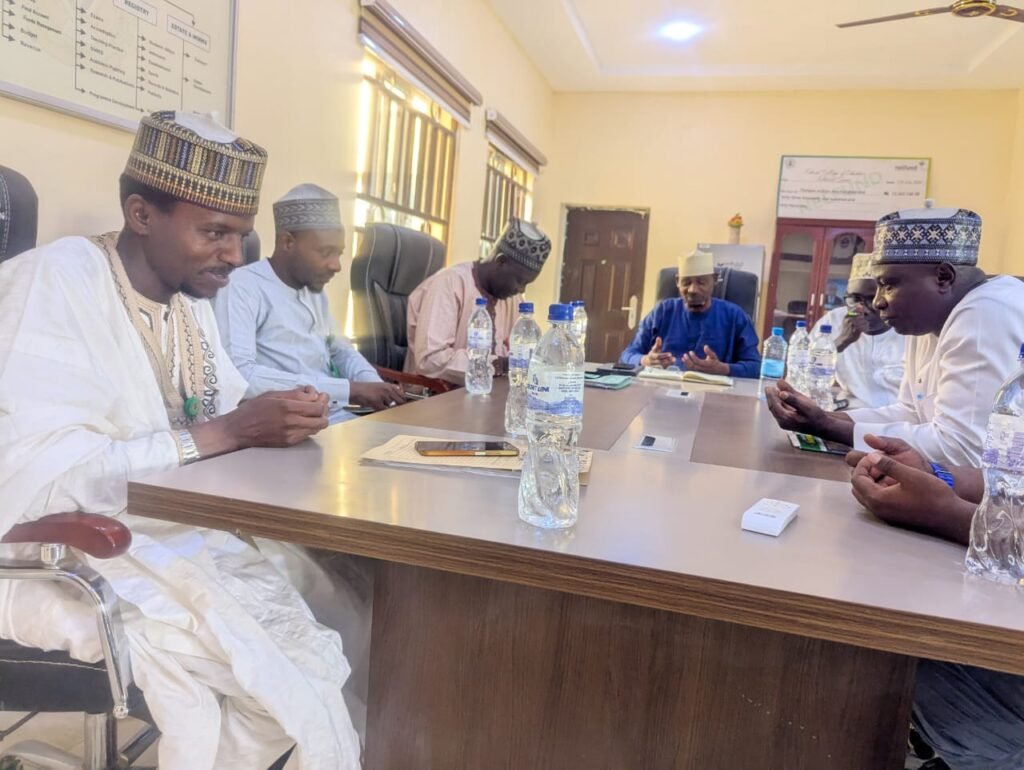
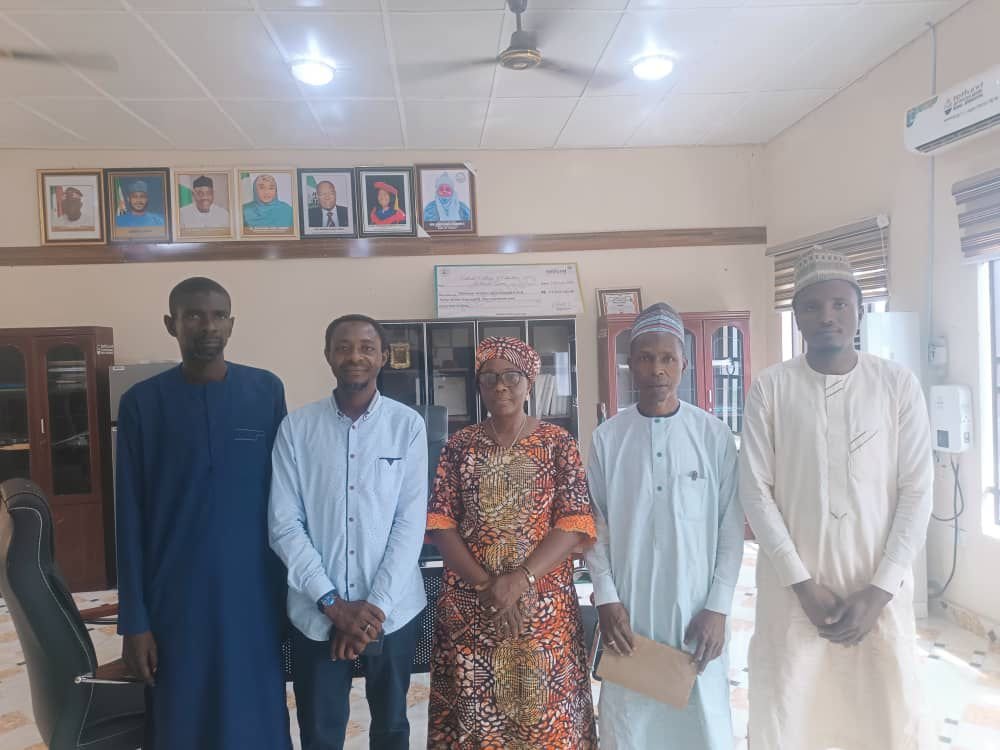
The proposed partnership, which emerged from a recent working visit by the Council’s delegation to the institution, signals a strategic shift towards decentralising testing infrastructure and improving access to quality certification services across the country. At its core, the initiative is designed to support local industries, researchers, and manufacturers who depend on reliable data and certification to compete effectively in both domestic and international markets.
This development also reflects a broader national policy direction focused on value addition, local processing, and reducing Nigeria’s long-standing dependence on exporting raw materials without beneficiation.
Strategic partnership targets industrial growth through local testing capacity
Officials involved in the engagement described the planned centre as more than just a laboratory. It is envisioned as a hub that will provide testing, certification, and analytical services tailored to Nigeria’s diverse raw material base, ranging from agricultural produce to mineral resources.
During the visit, representatives of the Council emphasised that the collaboration is part of a wider effort to build a network of testing facilities across the country. The aim is to close critical gaps that have historically forced Nigerian producers to rely on foreign laboratories for quality verification.
For institutions like the Federal College of Education, Technical Gusau, the partnership offers an opportunity to align academic training with real industry needs. It is expected to strengthen the college’s science and laboratory technology programmes while exposing students and researchers to modern testing techniques and equipment.
From a policy perspective, the initiative aligns with ongoing legislative and regulatory efforts promoting local value addition. Stakeholders believe that improving access to testing and certification will encourage manufacturers to source and process raw materials within Nigeria, thereby supporting job creation and industrial growth.
The existing national laboratory provides a model for expansion
The proposed centre in Gusau is not being developed in isolation. The Council already operates a national Raw Materials and Products Testing Laboratory in Abuja, which serves as a benchmark for the planned facility.
According to officials, the Abuja laboratory is equipped with advanced, state-of-the-art instruments and has attained international certification standards, enabling it to provide reliable testing and certification services to a wide range of stakeholders.
This facility has played a critical role in demonstrating that Nigeria can develop a world-class testing infrastructure capable of meeting global standards. It has also reduced the need for manufacturers to send samples abroad for analysis, saving both time and foreign exchange.
The Gusau project is expected to replicate and localise this model, bringing similar capabilities closer to industries and research institutions in the North West region. By doing so, it will reduce logistical challenges and improve turnaround times for testing services.
Beyond immediate operational benefits, the expansion strategy reflects a long-term vision of creating a nationwide network of testing centres. Such a network would support innovation, enhance quality assurance, and position Nigeria as a competitive player in the global raw materials value chain.
Education and industry linkage seen as key to sustainable development
One of the most significant aspects of the proposed partnership is its potential to bridge the gap between academia and industry. For years, stakeholders have highlighted the disconnect between theoretical training and practical industrial application in Nigeria’s education system.
By situating a testing centre within an academic institution, the collaboration offers a practical solution. Students will gain hands-on experience with modern laboratory equipment, while researchers can engage in applied studies that directly address industry challenges.
Experts believe this model could serve as a template for other institutions across the country. It not only enhances learning outcomes but also ensures that research outputs are relevant, market-driven, and capable of contributing to national development.
For the Council, partnerships with tertiary institutions are strategic. They provide access to human capital, research expertise, and local knowledge, all of which are essential for advancing raw materials development.
At the same time, institutions benefit from increased funding opportunities, improved infrastructure, and stronger industry connections. This mutual benefit underscores the importance of sustained collaboration between government agencies and educational institutions.
Broader implications for Nigeria’s value addition agenda
The move to establish a raw materials testing centre in Gusau is closely tied to Nigeria’s broader ambition to shift from a resource-based economy to a value-driven one.
For decades, the country has exported raw materials in their unprocessed form, only to import finished products at higher costs. This pattern has limited industrial growth, reduced job creation, and exposed the economy to external shocks.
Recent policy initiatives, including proposals for mandatory value addition, seek to reverse this trend. By ensuring that a significant portion of raw materials is processed locally before export, these policies aim to stimulate domestic manufacturing and increase economic resilience.
Testing and certification play a critical role in this transition. Without reliable quality assurance systems, locally processed materials may struggle to meet international standards, limiting their competitiveness in global markets.
The planned centre in Gusau is therefore more than an infrastructure project. It is a key component of a larger strategy to build confidence in Nigerian products, attract investment, and promote sustainable industrialisation.
Stakeholders also note that improved testing capacity can support small and medium-scale enterprises, which often lack access to high-quality laboratory services. By providing affordable and accessible testing, the centre could help these businesses scale up and integrate into formal value chains.
As Nigeria continues to pursue industrial transformation, initiatives like this highlight the importance of coordinated efforts across government, academia, and industry. The partnership between the Raw Materials Research and Development Council and the Federal College of Education, Technical Gusau, represents a step in that direction, with the potential to deliver long-term benefits for the economy and the country at large.
Join Our Social Media Channels:
WhatsApp: NaijaEyes
Facebook: NaijaEyes
Twitter: NaijaEyes
Instagram: NaijaEyes
TikTok: NaijaEyes