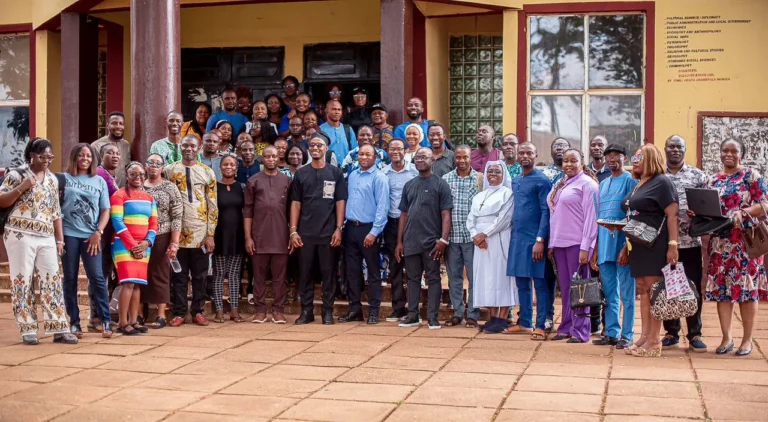
Nigeria is making a renewed push to address its deepening out-of-school children crisis, as education experts, policymakers and stakeholders warn that the situation has reached a critical point requiring urgent, coordinated action. Across the country, concerns are mounting over millions of children who remain excluded from formal education, with implications not just for individual futures but for national development and security.
Recent engagements led by education advocates have highlighted structural gaps in the system, ranging from poor school infrastructure to socio-economic barriers that continue to keep children, especially in vulnerable communities, out of classrooms. Experts say the renewed drive must go beyond policy statements and translate into practical, community-based interventions that directly tackle the root causes of exclusion.
At the centre of the conversation is the staggering number of children still outside the school system. Estimates from development partners indicate that about 18.3 million Nigerian children are not enrolled in school, placing the country among those with the highest out-of-school populations globally.
Poverty, Infrastructure and Social Barriers Deepen Crisis
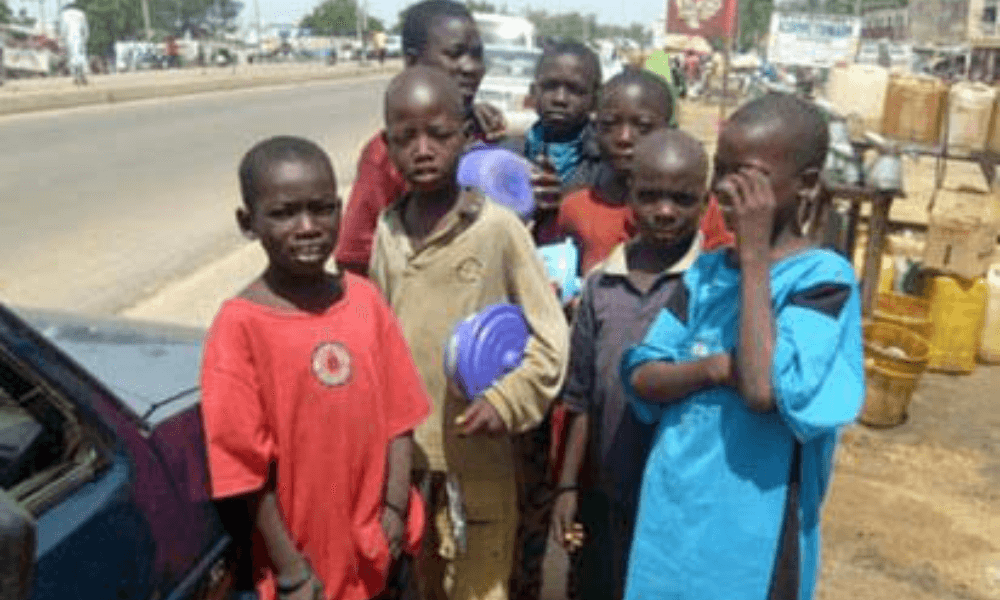
Stakeholders argue that the crisis is not driven by a single factor but by a complex mix of economic hardship, cultural practices and systemic weaknesses in the education sector. Data referenced by education professionals shows that children from the poorest households are the most affected, reinforcing the strong link between poverty and lack of access to education.
In many communities, families struggling with basic survival often prioritise immediate income over schooling, pushing children into street trading, farm work or informal labour. This economic pressure is further compounded by hidden costs of schooling such as uniforms, books and transportation, which many households cannot afford.
Beyond poverty, school conditions themselves are discouraging attendance. Experts have pointed to issues such as poor sanitation, overcrowded classrooms and lack of gender-sensitive facilities as major contributors to dropout rates. For girls in particular, the absence of safe and inclusive environments often leads to early withdrawal from school.
Teacher quality is another critical concern. Reports indicate that many schools, especially in rural areas, operate with underqualified or insufficient teaching staff, limiting the quality of education and reducing motivation for both students and parents to remain engaged.
Government, Stakeholders Push New Interventions
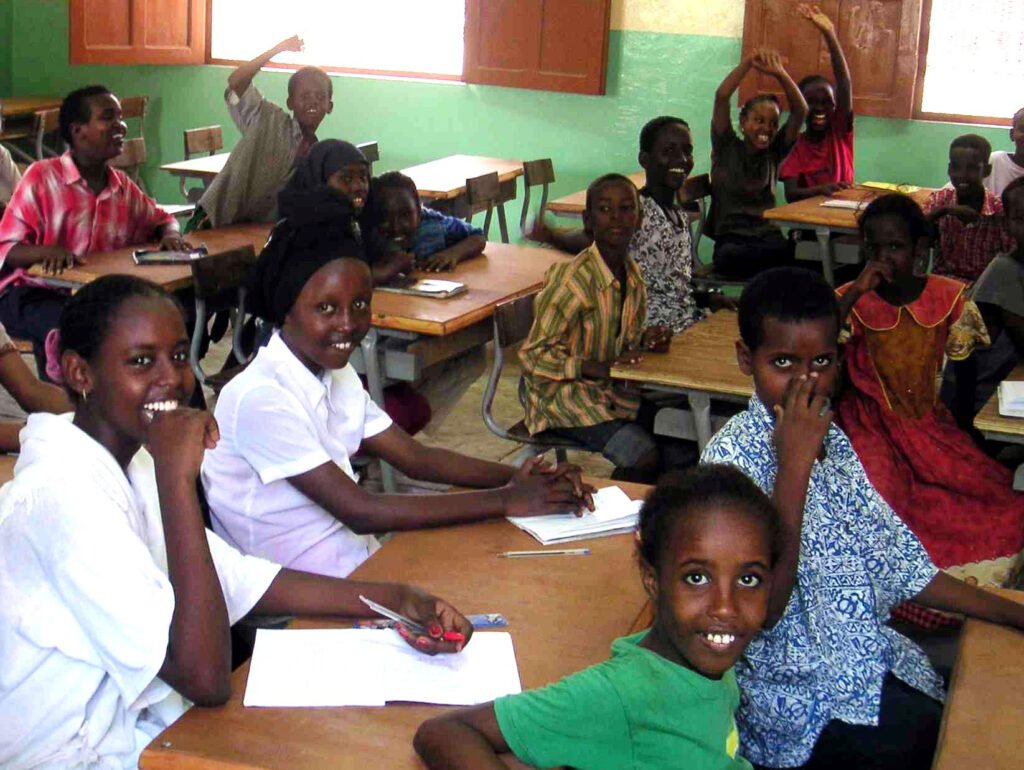
In response to the growing crisis, government agencies and education groups are stepping up efforts aimed at reversing the trend. These initiatives include targeted enrolment campaigns, alternative learning programmes and community-based awareness drives designed to bring children back into the classroom.
Education advocates are also calling for stronger collaboration between federal, state and local governments, alongside private sector participation. According to experts, fragmented interventions have historically limited progress, making it essential to adopt a more unified and data-driven approach.
Some recent initiatives focus on flexible learning models that accommodate children who combine work with schooling, particularly in urban markets and informal sectors. Others are exploring digital and non-formal education pathways to reach underserved populations.
However, funding remains a major challenge. Analysts note that Nigeria’s education budget continues to fall short of international recommendations, limiting the scale and impact of interventions. In the 2026 budget proposal, education received about 6.1 per cent of total allocation, a figure many experts consider inadequate to address the magnitude of the crisis.
Experts Warn of Long-Term National Consequences
Education stakeholders warn that failure to address the out-of-school crisis could have far-reaching consequences for Nigeria’s socio-economic stability. A large population of uneducated youth increases the risk of unemployment, poverty and social unrest, creating fertile ground for crime and insecurity.
In parts of northern Nigeria, the situation is further complicated by traditional systems such as the almajiri model, which has long been debated for its role in limiting access to formal education. Studies suggest that a significant proportion of out-of-school children are concentrated in the region, underscoring the need for culturally sensitive reforms.
There are also concerns about gender disparity, with girls disproportionately affected by barriers such as early marriage, domestic responsibilities and lack of safe school environments. Experts stress that without targeted interventions for girls’ education, the country risks widening existing inequalities.
Security challenges, including attacks on schools and kidnappings in some regions, have also contributed to declining enrolment, as parents fear for their children’s safety. This has forced temporary school closures in certain areas, further disrupting learning and increasing dropout rates.
Back Story: A Crisis Years in the Making
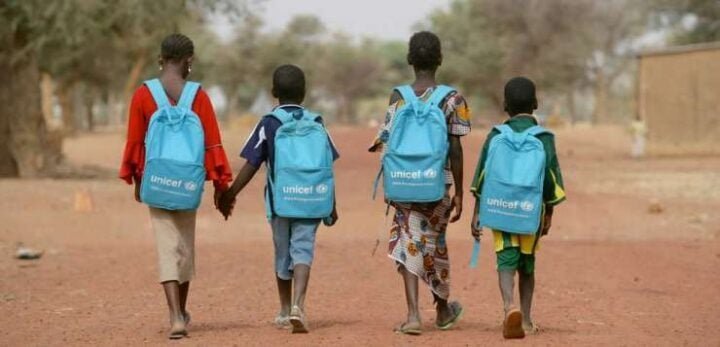
Nigeria’s out-of-school children crisis did not emerge overnight. For decades, structural issues such as underfunding, rapid population growth and regional inequalities have strained the education system.
Historically, access to education has been uneven across the country, with northern regions facing greater challenges due to poverty, cultural factors and limited infrastructure. Over time, these disparities widened, leading to a concentration of out-of-school children in specific areas.
Efforts to address the problem have included initiatives such as the Universal Basic Education programme, school feeding schemes and donor-supported interventions. While these have recorded pockets of success, implementation gaps and inconsistent funding have limited their overall impact.
In recent years, the crisis has been further exacerbated by economic pressures, inflation and insecurity, all of which have pushed more children out of school. Experts now warn that without sustained commitment and systemic reform, the situation could worsen.
As Nigeria intensifies its latest drive, stakeholders agree on one key point: solving the out-of-school crisis will require more than policy declarations. It will demand sustained investment, political will and community engagement to ensure that every child has access to quality education.
Join Our Social Media Channels:
WhatsApp: NaijaEyes
Facebook: NaijaEyes
Twitter: NaijaEyes
Instagram: NaijaEyes
TikTok: NaijaEyes