Navigating the Shift: Why the Naira Just Hit a Three-Week Low.
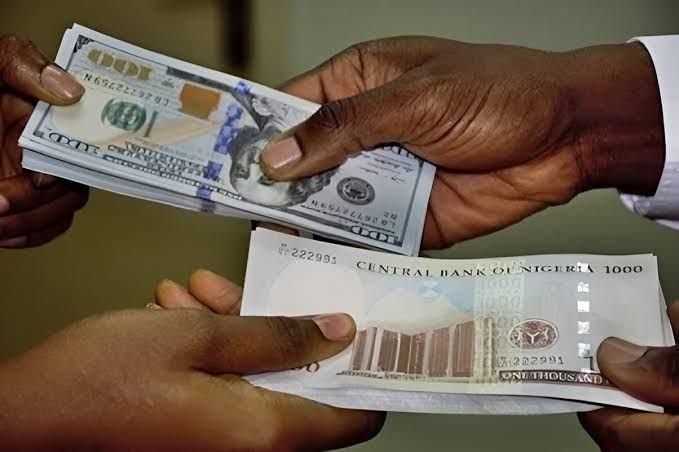
The Nigerian foreign exchange market is showing fresh signs of tension. After a brief period of relative calm, the local currency has taken a noticeable step back. This week, the Naira closed at N1,361.5 per dollar, marking its weakest performance in nearly twenty-one days. For those tracking the pulse of the economy, this shift reflects a complex interplay of demand and supply that continues to test the market’s resilience.
Behind the Numbers
The latest data from the official trading window tells a story of steady pressure. Throughout the week, the Naira gradually moved from N1,349 on Monday to its current closing point. This decline of nearly N20 within a single week indicates that the market is still searching for a stable floor. While we saw a stronger performance in mid-April, the current rate of N1,361.5 is the lowest point seen since April 9.
Market analysts point toward a spike in dollar demand as the primary culprit. Importers and local manufacturers are back in the market, seeking foreign exchange to fund essential operations. When this heightened demand meets a constrained supply, the price of the dollar naturally climbs. It is a classic economic tug-of-war that affects everything from industrial output to the prices on supermarket shelves.
External Reserves and Liquidity
The pressure isn’t just coming from traders; it is also reflected in the national coffers. Nigeria’s external reserves dipped slightly this week, moving from $48.54 billion to $48.4 billion. While this change might seem incremental, it signals the ongoing cost of maintaining market stability.
Central Bank officials have urged the public not to panic over these fluctuations, viewing them as part of a larger, necessary adjustment process.
Liquidity remains the “holy grail” for the Nigerian FX market. Experts like Samuel Obadofin note that until more dollars consistently flow into the system, we may see these end-of-week spikes continue.
Global factors, such as shifting oil prices and the strength of the US dollar worldwide, also play a significant role. These external forces often act as a headwind against local policy interventions.
What This Means for You
For the average Nigerian, these numbers are more than just statistics. A weaker Naira often leads to higher costs for imported goods. However, the current reforms aim to create a more transparent system in the long run.

The goal is to move away from the volatility of the past and toward a predictable environment where businesses can plan effectively.
While the short-term trend shows some depreciation, the broader economic strategy remains focused on attracting investment.
If foreign inflows increase and oil production stays steady, the Naira could find the support it needs to rebound. For now, the market remains in a “wait and see” mode, watching for the next move from the regulators.
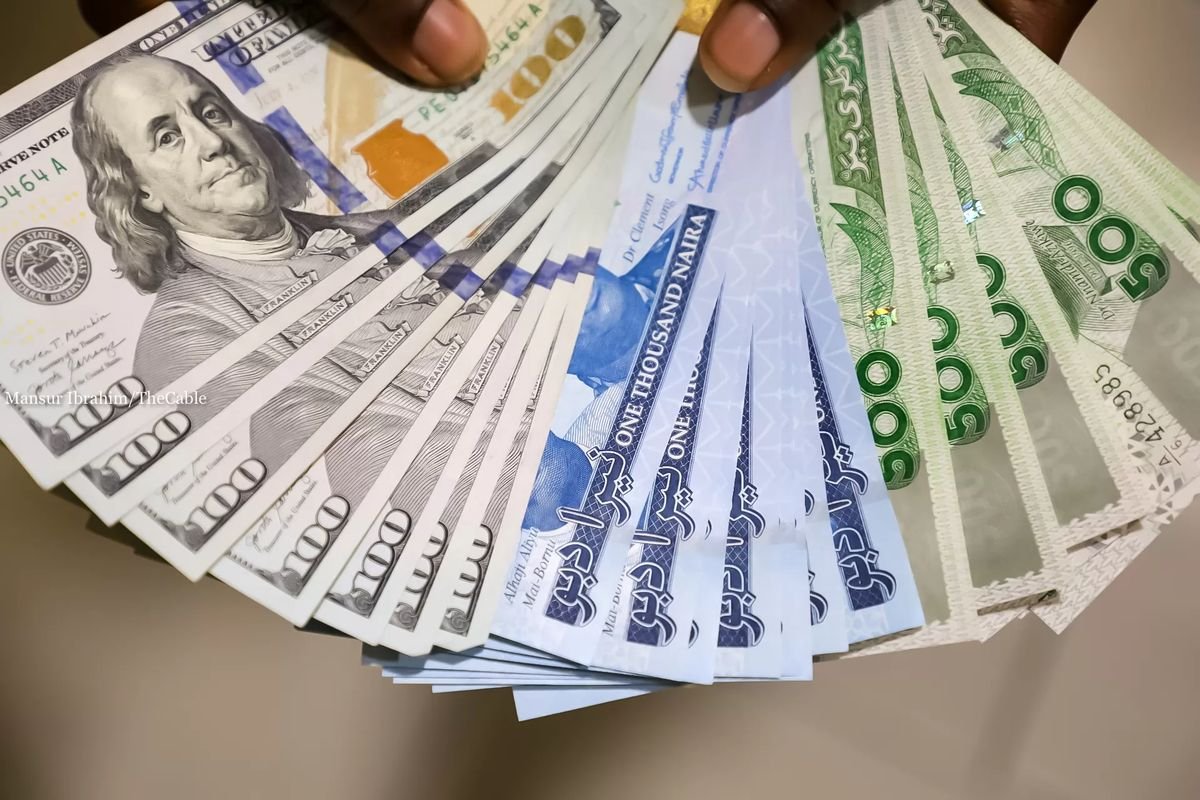
Naira exchange rate volatility.
Join Our Social Media Channels:
WhatsApp: NaijaEyes
Facebook: NaijaEyes
Twitter: NaijaEyes
Instagram: NaijaEyes
TikTok: NaijaEyes