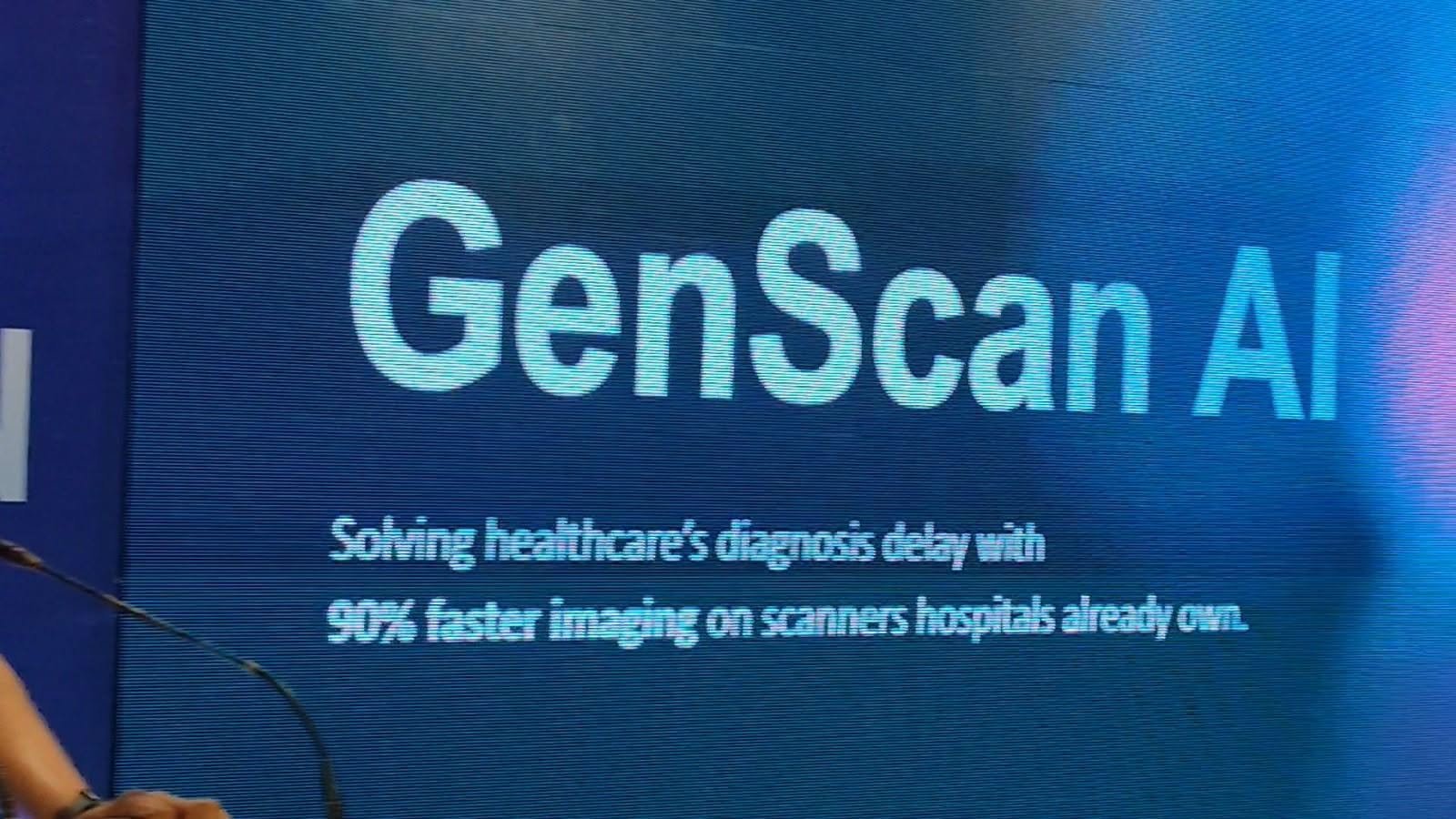

Nigeria LNG Limited has presented a Nigerian-developed artificial intelligence tool that could significantly reduce the time patients spend undergoing magnetic resonance imaging, raising hopes for faster diagnosis and better use of costly medical equipment.
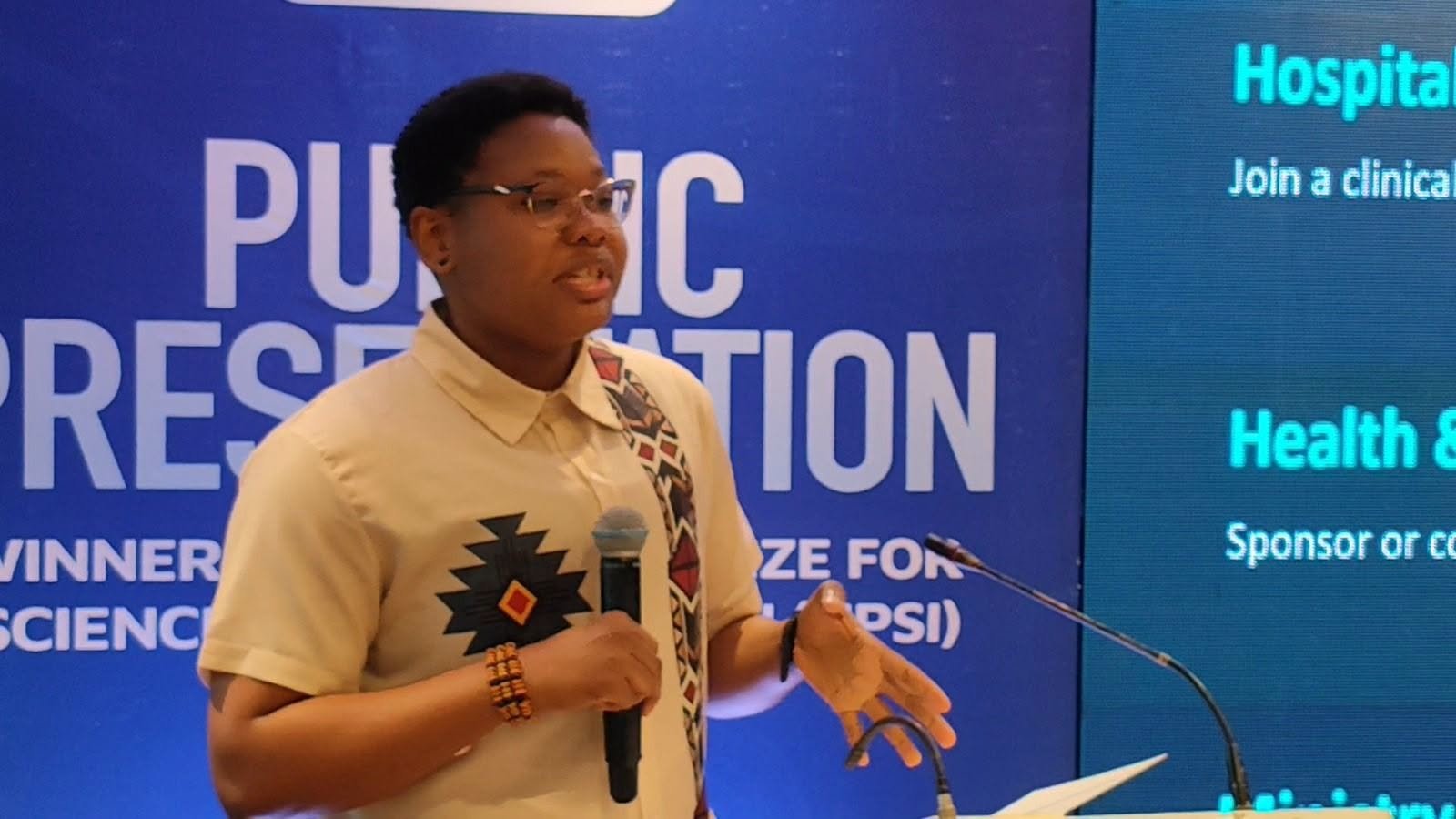
Known as GenScan AI, the innovation was developed by Mary-Brenda Akoda and presented to health, technology and policy stakeholders in Abuja on Monday, October 5. It uses the C-MORE algorithm to reconstruct MRI images through a one-step framework. The technology could reduce MRI acquisition time by up to 90 per cent without requiring hospitals to buy new MRI hardware.
The potential impact is considerable in Nigeria, where access to advanced diagnostic services is uneven. Cutting examination time could allow existing scanners to serve more patients and reduce waiting periods.
How GenScan AI could change MRI services
MRI is widely used to examine the brain, spine, joints and internal organs. RadiologyInfo says most MRI examinations take 15 to 45 minutes, while some may take 60 minutes or longer. Patients also need to remain still because movement can reduce image quality.
GenScan AI approaches the problem through image reconstruction rather than new scanner hardware. The developer says its GenMRI software can reduce a 20-minute examination to about two minutes on existing scanners. That figure reflects the developer’s stated capability, not a guarantee for every examination.
AI-assisted MRI reconstruction is not entirely new. A study published in Radiology: Artificial Intelligence found that deep-learning reconstruction reduced scan and room times for some examinations in clinical practice, although the benefit varied according to the examination and reconstruction method.
For Nigerian hospitals, faster scans could mean better use of equipment, shorter queues and greater patient throughput. The benefit could be meaningful where a limited number of scanners serve a large population. But speed alone is not enough. The images must remain reliable for radiologists and doctors making decisions about patient care.
Also Read: AI and Automation Could Help Nigeria Retain Nurses as Hospitals Battle Staff Shortages
Back story: how Akoda won the NLNG science prize
GenScan AI won the 2026 Nigeria Prize for Science and Innovation, sponsored by NLNG, after Akoda’s entry emerged from a record 237 submissions. The Advisory Board endorsed the decision after an independent judging process.
The 2026 edition focused on innovations in artificial intelligence, ICT and digital technologies for development. The record number of entries followed the 2025 cycle, which ended without a winner after no submission met the required standard.
Akoda also became the first woman and first millennial to win the prize as an individual recipient. She is scheduled to receive the US$100,000 award at the Grand Award Night on October 9, 2026.
GenScan identifies Akoda as its founder and chief executive, and describes her as a former Microsoft AI research scientist and Google DeepMind Scholar.
What needs to happen before hospitals can use it
The Abuja presentation is an important stage, but it does not mean GenScan AI is already in routine use across Nigerian hospitals. Before widespread adoption, the technology will need clinical validation to establish how consistently it performs across different scanners, imaging protocols and patient groups.
NLNG and members of the Nigeria Prize for Science and Innovation Advisory Board have said clinicians and other stakeholders need to be involved as the innovation moves towards practical application. That caution matters because MRI depends on fine image details, and any reconstruction system must preserve information doctors need for accurate diagnosis.
Research into AI reconstruction is encouraging, but published studies also show that benefits can vary between technologies and examination types. GenScan AI will therefore need strong evidence, regulatory clearance and clinical testing before it can become a normal part of patient care.
For many Nigerians, the attraction is straightforward. If the software performs as reported, hospitals could potentially increase the number of MRI examinations carried out with machines they already own, rather than relying only on new equipment purchases.
That makes GenScan AI more than an award-winning technology story. Its real test is whether the Nigerian innovation becomes a safe, practical tool for timely diagnosis.