Public school teachers across the Federal Capital Territory have announced the commencement of an indefinite strike, raising fresh concerns about disruptions to learning in Abuja. The industrial action, declared by the Nigeria Union of Teachers, is set to affect thousands of pupils and students in public primary and secondary schools as classrooms are expected to remain shut until further notice.
The directive followed an emergency meeting of the union’s State Wing Executive Council, where leaders resolved that teachers should withdraw their services due to what they described as prolonged neglect of key welfare demands. Union officials have instructed members to comply fully with the strike and await further directives as negotiations with authorities remain uncertain.

Teachers Cite Delayed Entitlements and Policy Concerns
At the centre of the dispute are unresolved issues surrounding teachers’ entitlements and career progression. The union insists that despite previous engagements with the Federal Capital Territory Administration, several promises remain unfulfilled.
Although authorities had taken steps such as implementing the ₦70,000 minimum wage and settling months of salary arrears owed to primary school teachers, union leaders argue that these measures do not address deeper systemic concerns. Outstanding entitlements have yet to be harmonised, despite the establishment of a committee in 2025 tasked with resolving them within a short timeframe.
Teachers are also demanding the removal of the “vacancy” requirement tied to promotions, which they say unfairly limits career advancement. In addition, they have called for a comprehensive review of recent promotion exercises conducted by the FCT Civil Service Commission to ensure transparency and fairness for eligible educators.
Expired Ultimatums and Growing Frustration
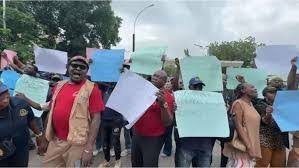
The strike comes after a series of warnings issued to the FCT Administration. The union had earlier given a seven-day ultimatum, followed by an extended grace period, urging authorities to address the lingering issues. Both deadlines expired without what teachers describe as meaningful action or communication.
Union leaders say the decision to embark on an indefinite strike was not taken lightly but became inevitable after repeated attempts at dialogue failed to yield results. They accuse the authorities of maintaining silence on critical issues affecting teachers’ welfare, despite the economic realities facing workers in the country.
For many teachers, the delay in implementing agreed reforms has compounded frustrations, especially in the face of rising living costs. The lack of clarity around the committee’s report on entitlements has further deepened mistrust between the union and the administration.
Impact on Students and the Education System
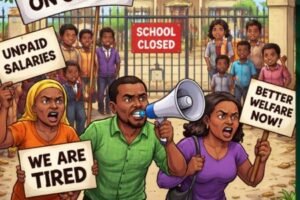
The immediate consequence of the strike is the closure of public schools across the FCT, leaving thousands of students out of classrooms. Parents and guardians have been advised to keep their children at home until the situation is resolved, as academic activities remain suspended indefinitely.
The timing of the strike is particularly significant, as schools were expected to resume for a new academic term. This disruption could affect lesson schedules, examinations, and overall academic progress if the impasse persists.
Education stakeholders warn that prolonged industrial action may widen learning gaps, especially for students preparing for key examinations. It also raises broader concerns about the stability of the public education system in the nation’s capital, where repeated disputes have occasionally interrupted academic calendars.
For parents, the strike presents an immediate challenge of managing children at home while uncertainty looms over when normal school activities will resume. Some may be forced to consider alternative arrangements, including private tutoring or temporary school transfers, depending on how long the strike lasts.
Calls for Dialogue and Resolution
As the strike begins, attention now turns to the FCT Administration led by Minister Nyesom Wike, whose response will likely determine how quickly the situation is resolved. While acknowledging earlier efforts made by the government, the union maintains that only concrete action on outstanding demands will bring teachers back to classrooms.
Education observers say the situation underscores the need for sustained dialogue between government authorities and education stakeholders. Addressing teachers’ welfare, ensuring the timely implementation of agreements, and maintaining open communication channels are seen as critical steps to preventing recurring disputes.
There are also calls for a more structured framework to handle labour issues in the education sector, one that prioritises both the welfare of teachers and the continuity of learning for students. Without such reforms, similar disruptions may continue to affect schools, with long-term implications for educational outcomes.
For now, the strike remains indefinite, with no clear timeline for resolution. What is certain is that until both parties reach a compromise, classrooms across the FCT will remain empty, and the education of thousands of young Nigerians will hang in the balance.
Join Our Social Media Channels:
WhatsApp: NaijaEyes
Facebook: NaijaEyes
Twitter: NaijaEyes
Instagram: NaijaEyes
TikTok: NaijaEyes