A quiet but significant shift is taking shape in Nigeria’s education space, one that is challenging long-standing assumptions about how students learn best. At the centre of this conversation is a simple but powerful idea: preparing students for major examinations in local Nigerian languages could dramatically improve understanding, confidence, and outcomes.
For decades, high-stakes examinations such as WAEC, NECO, and JAMB have been conducted strictly in English. While this aligns with Nigeria’s official language policy, it has also created an invisible barrier for millions of students who think, speak, and process information more naturally in their mother tongues. Increasingly, educators, technologists, and policy advocates are questioning whether this system truly serves the average Nigerian learner.
The argument is not about replacing English, but about strengthening comprehension at the foundational level. Many students struggle not because they lack intelligence or diligence, but because they are forced to decode complex questions in a second language before even attempting to solve them. This double burden often leads to poor performance, especially in rural and underserved communities.
Recent innovations in digital learning are beginning to address this gap. Platforms designed for exam preparation now offer explanations in languages such as Hausa, Yoruba, and Igbo, helping students understand concepts in familiar linguistic contexts. These tools do not replace English as the examination language but act as a bridge, enabling learners to grasp difficult topics more effectively before applying them in English during exams.
The implications are far-reaching. By reducing the language barrier, students can focus on actual subject mastery rather than translation struggles. For many, this could mean the difference between failure and success in critical exams that determine access to higher education and career opportunities.
Why Language Matters in Learning Outcomes
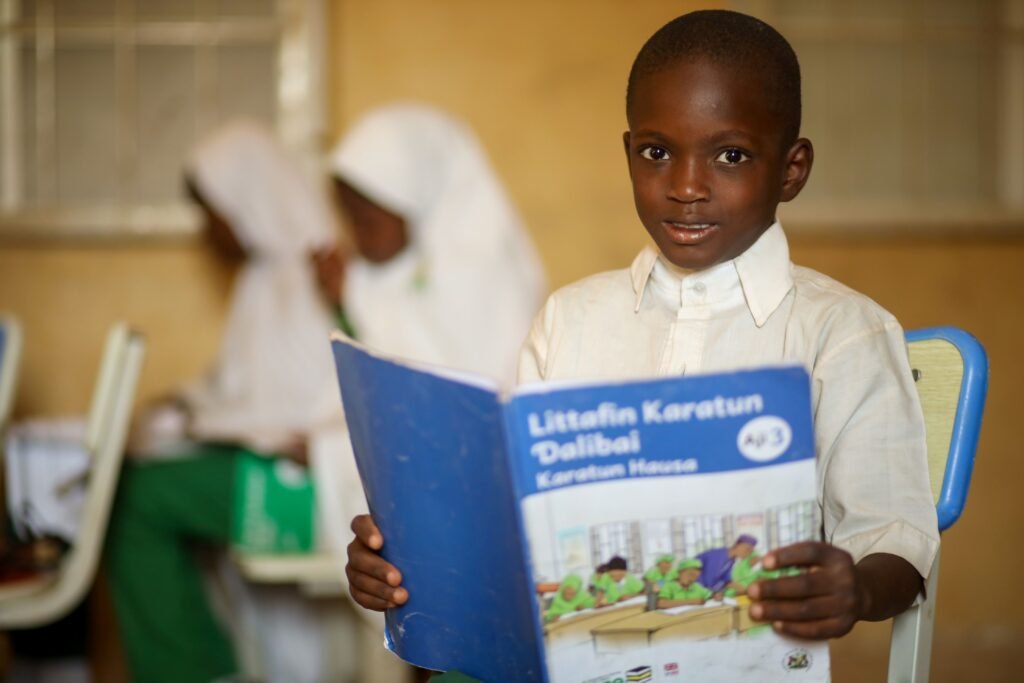
The importance of language in education is not new, but it has often been underestimated in policy and practice. Research consistently shows that children learn best when taught in a language they understand well. In Nigeria, where over 500 languages are spoken, this reality presents both an opportunity and a challenge.
Despite high school enrolment rates, learning outcomes remain troublingly low. Only a small percentage of students meet basic literacy and numeracy standards, a situation many experts link to the dominance of English as the primary language of instruction.
When students are taught and assessed in a language they are not fully comfortable with, comprehension suffers. This is especially evident in subjects like mathematics and science, where understanding the question is often as important as solving it. If a student misinterprets the question due to language difficulty, the chances of getting the correct answer drop significantly.
There is also a psychological dimension. Students who learn in their native languages tend to be more confident and engaged. They participate more actively in class, ask questions freely, and develop a deeper connection to the material. In contrast, those struggling with language barriers may withdraw, memorise without understanding, or lose interest altogether.
Nigeria’s own National Policy on Education has long recognised the value of mother tongue instruction, particularly at the early stages of learning. However, implementation has been inconsistent, and the transition to English-dominated instruction often happens too abruptly.
Extending the use of local languages into exam preparation could help bridge this gap. It offers a practical way to reinforce understanding without disrupting the current examination structure.
Balancing Local Languages and English in a Globalised World
Critics of local language-based exam preparation often raise a valid concern: will this weaken students’ proficiency in English, which remains essential for higher education, employment, and global communication?
The answer lies in balance, not replacement. The goal is not to abandon English but to use local languages as a stepping stone. By first ensuring that students fully understand concepts in a familiar language, educators can then guide them to express that understanding in English.
This approach mirrors successful bilingual education models around the world. Students build a strong conceptual foundation in their first language before transitioning to a second language for more advanced learning. Far from weakening English skills, this method often strengthens them by grounding learning in clarity rather than confusion.
Technology is playing a key role in achieving this balance. Modern exam prep tools can present questions in English while offering explanations in local languages. Audio features, translations, and interactive learning modes allow students to switch between languages seamlessly, reinforcing both comprehension and language skills.
There are, however, practical challenges. Nigeria’s linguistic diversity means that no single approach will fit all regions. Developing high-quality learning materials in multiple languages requires significant investment, skilled educators, and careful standardisation. There is also the issue of dialect variations, which can complicate content creation.
Another concern is teacher readiness. Many educators are trained primarily in English and may lack the confidence or resources to teach complex subjects in local languages. Addressing this will require targeted training and support, as well as a broader cultural shift that values indigenous languages as tools for intellectual development.
Despite these challenges, the potential benefits are too significant to ignore. As more stakeholders recognise the limitations of an English-only approach, the push for inclusive, language-sensitive education is likely to grow stronger.
Back Story: A Long Debate Rooted in Nigeria’s Educational History
The conversation around language and education in Nigeria is not new. It dates back to colonial times, when English was established as the language of administration and formal learning. While this created a common medium of communication across diverse ethnic groups, it also sidelined indigenous languages in formal education.
Post-independence, policymakers attempted to correct this imbalance. The National Policy on Education recommended the use of the mother tongue or the language of the immediate environment in early schooling. However, implementation has been uneven due to factors such as limited resources, teacher shortages, and societal attitudes that often place a higher value on English.
Over the years, several initiatives have sought to reintroduce local languages into the classroom, particularly in subjects like basic literacy and civic education. Yet, when it comes to high-stakes examinations, English has remained firmly in place.
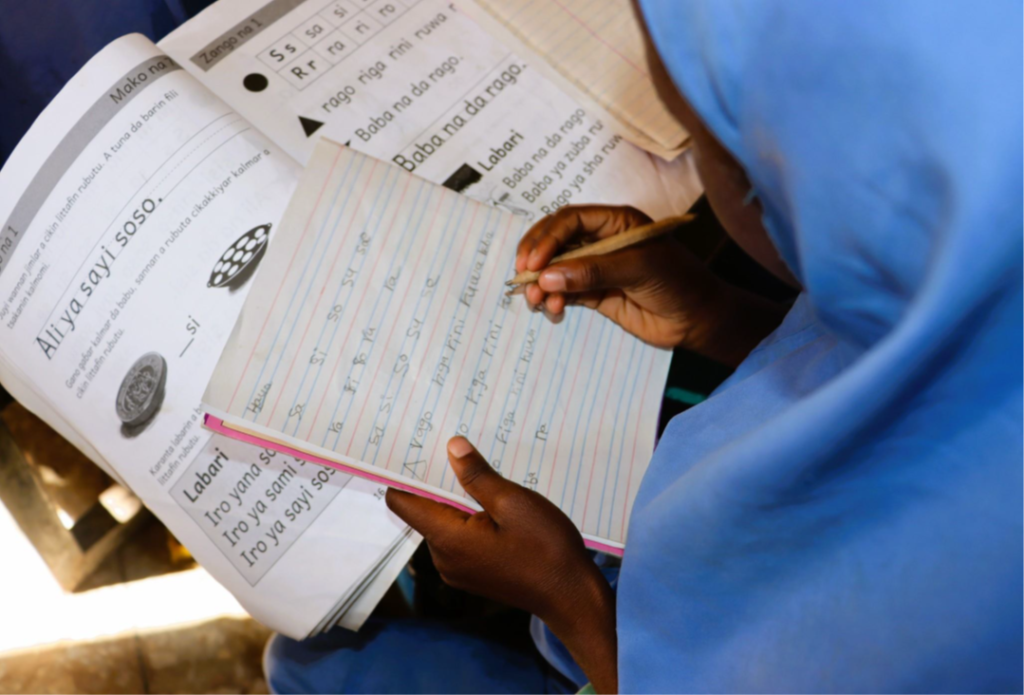
The rise of digital education is now reopening this debate in a new way. Unlike traditional classroom reforms, technology offers scalable solutions that can adapt to different languages without overhauling the entire system. This has made it possible to experiment with local language support in exam preparation without disrupting national standards.
At the same time, there is growing awareness of the broader cultural implications. Language is not just a tool for communication but a carrier of identity, history, and worldview. Strengthening the role of Nigerian languages in education is also seen as a way to preserve cultural heritage while improving learning outcomes.
As Nigeria continues to grapple with educational challenges, the case for exam preparation in local languages is gaining credibility. It is no longer viewed as a radical idea but as a practical, evidence-based approach to making education more inclusive and effective.
The question now is not whether local languages have a role to play, but how best to integrate them in a way that benefits every Nigerian student.
Join Our Social Media Channels:
WhatsApp: NaijaEyes
Facebook: NaijaEyes
Twitter: NaijaEyes
Instagram: NaijaEyes
TikTok: NaijaEyes