
Nigeria’s education system is under intense scrutiny and debate as parents, educators, and experts warn that the country’s young learners are being pushed through school too fast and with too little preparation. What was once a structured and gradual journey from foundational learning to adulthood now feels rushed and, for many, emotionally damaging. This crisis in how children grow and learn is more than academic; it reflects deep disagreements over roles, expectations, and the very meaning of education in Nigerian society.
At the heart of the concern is the idea that childhood itself is being stolen. Traditional practices and a full class-by-class progression that once ensured students mastered each level before moving on are being replaced by shortcuts that prioritise attendance records and certificates over real learning. In the 6-3-3-4 system that Nigeria adopted, children were meant to transition through stages of learning deliberately and with careful guidance. But today, many parents and school proprietors are rewriting this system into faster versions like 5-3-2-4 or even shorter patterns, weakening its intended purpose.
Education during formative years was never meant to be only about passing exams. Historically, Nigerian schooling included moral grounding, resilience, understanding failure, and how to face life’s challenges. These values were embedded in community practices and family involvement, with teachers playing a central role in shaping a child’s day-to-day growth. Now, that balance appears to be collapsing as pressure mounts on parents to accelerate progress, often driven by social comparisons, economic anxieties, and the race to enter tertiary education early.
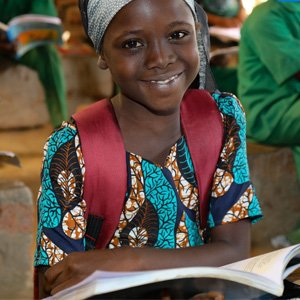
This rush has consequences beyond classrooms. Children are sometimes advanced so quickly that they enter environments they are not ready for socially or emotionally. A striking recent encounter described a nine-year-old in Junior Secondary School Two, a position usually for older children. Such examples highlight a fundamental question about whether young learners are being given the time to develop alongside their peers or simply being fast-tracked to meet external expectations.
Rethinking Roles in Education
A major part of this debate is about who should have authority over educational decisions. Many parents today feel entitled to intervene in academic matters that should be guided by qualified educators. Historically, respect for teachers and school systems allowed professionals to carry out their roles without excessive interference. The result was an environment where repetition of classes for those who needed more time was accepted and respected, and parents understood that true education was not measured by age or class alone.
The foundational phase of education sets the stage for future success. It is during these early years that children develop their sense of self, learn to socialise with others, and build the confidence to tackle challenges. When this phase is compressed or bypassed, children can lose out on vital experiences that prepare them for adulthood. Experts argue that a child’s progress should not be negotiated like a transaction, but evaluated with professional insight and patience.
Some legal frameworks, such as provisions in the Child Rights Act, are meant to protect children within the system, but in practice, they are rarely applied to educational progression. Instead, they often focus on issues like abuse or custody. This narrow interpretation misses opportunities to ensure children’s developmental needs are upheld in schooling decisions.
Discipline, School Culture, and Social Readiness
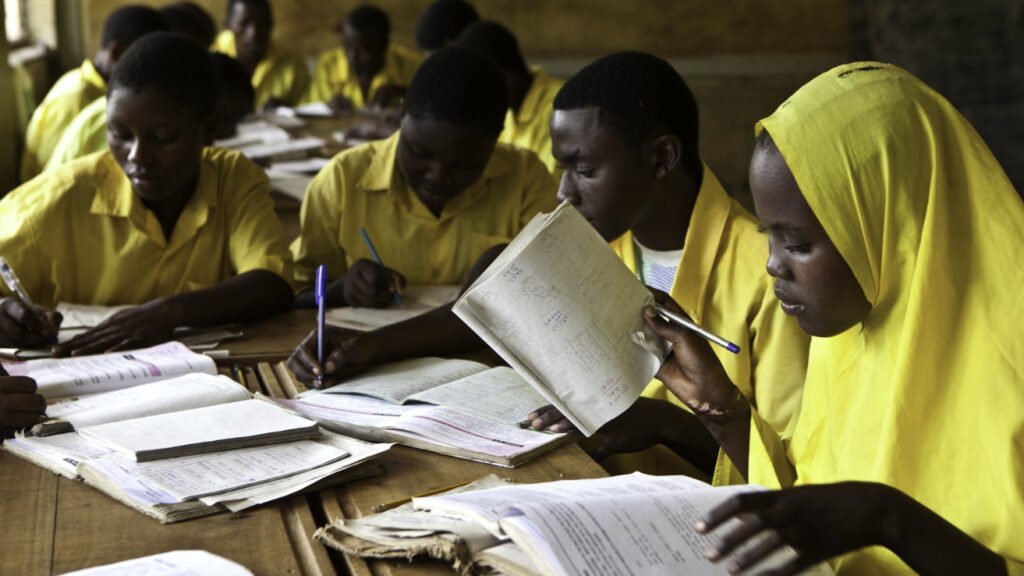
The decline of school discipline and punctuality further undermines the quality of education. In many settings today, students arrive at school late without consequence, and basic routines such as assembly attendance and hygiene checks have become optional. In the past, strict adherence to schedules, cleanliness, and order was seen as part of preparing young people for life’s responsibilities. The loss of these practices sends a strong message about changing values within the school environment.
Hygiene, once monitored carefully by teachers and a point of pride for students, is now overlooked. Some educators believe that this reflects a broader erosion of standards and expectations. The casual acceptance of poor hygiene, reliance on perfumes to mask it, and relaxed attitudes toward basic discipline hint at deeper cultural shifts that affect learning outcomes.
At the same time, modern schools face challenges such as student rebellion, disrespect, and other behavioural issues. These are symptoms of larger systemic problems, according to educators, pointing to a breakdown in the partnership between home and school. Too often, the responsibility for shaping character and habits is expected to rest solely with teachers, while parental engagement is limited or misdirected.
The Wider Impact on Society
The implications of a compromised education system go beyond school walls. A society where foundational learning is weak and youth are ill-prepared for adulthood faces long-term risks. Expert discussions on education reform stress that Nigeria must address structural weaknesses, skill mismatches, and deeper governance issues within the sector to prevent the erosion of human capital. Problems in education are linked to wider social challenges, including unemployment and poverty, that constrain national progress.
Tertiary institutions often voice concerns about the preparedness of incoming students, noting gaps in critical thinking, social skills, and resilience. These gaps are often traced back to earlier years when students were allowed to skip essential developmental milestones in the pursuit of speed rather than mastery. Graduates who lack the fundamental tools to compete in the job market or contribute meaningfully to their communities reflect a wider inefficiency in how the system nurtures talent and potential.
The conversation around education in Nigeria must shift from quick results and certificate accumulation to a broader understanding of lifelong learning. Children who have not been given the space to play, make mistakes, build friendships, and understand failure are at a disadvantage as they navigate complex adult responsibilities later in life. Listening to educators, parents, and students themselves is crucial for crafting reforms that value both academic achievement and holistic development.
Toward a Balanced Future for Learning
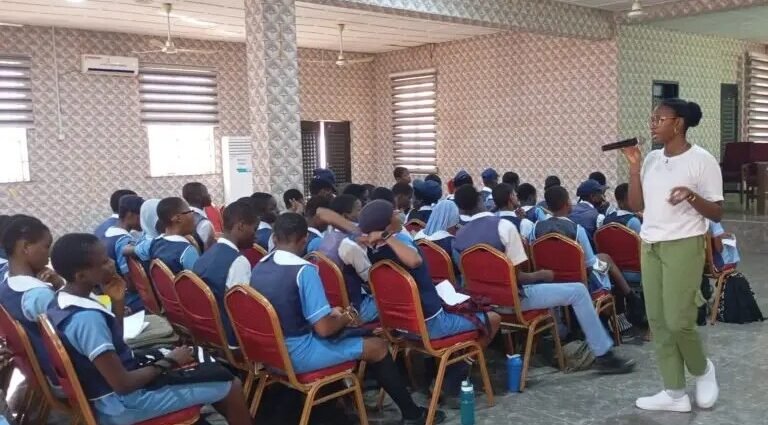
To respond to this crisis, stakeholders must restore respect for educational stages, clarify roles between parents and teachers, and recommit to advancing children’s well-being over social competition. Schools and communities must work together to reinforce discipline, not through harsh punishment, but by building environments that prioritise character, curiosity, and critical engagement.
Parents have an important role to play, but that role should support and not overshadow the expertise of teachers and the integrity of educational protocols. Professional educators are trained to evaluate readiness, pace learning appropriately, and nurture students’ strengths while addressing challenges. Recognising this expertise is essential to nurturing well-rounded learners.
Rebuilding trust in the education system also requires policy clarity and enforcement. Laws and guidelines that protect children should be applied to educational transitions as much as to welfare matters. This includes ensuring that class progression reflects readiness rather than societal pressure.
Ultimately, fixing the Nigerian education system means honouring the full journey of growing up. It means valuing childhood not as a hurdle to be leapt over, but as a vital stage of life that shapes citizens’ ability to lead, innovate, and uplift their communities. The path ahead demands patience, shared responsibility, and an unwavering commitment to educating the whole child.
Join Our Social Media Channels:
WhatsApp: NaijaEyes
Facebook: NaijaEyes
Twitter: NaijaEyes
Instagram: NaijaEyes
TikTok: NaijaEyes
READ THE LATEST EDUCATION NEWS