Nigeria is stepping up efforts to confront one of its most pressing education challenges. Recent statements by the Federal Minister of Education, Dr Tunji Alausa, suggest that the nation is now in a better position to address the perennial problem of children not attending school, especially in communities where traditional systems like Almajiri schooling have contributed to gaps in formal education.
This issue is not new to Nigerians. For decades, millions of children have remained outside the formal school system, with far-reaching consequences for human capital development and the nation’s future prospects. The minister’s comments came during a peer-learning webinar organised by the Committee of States Commissioners of Education in Nigeria. The event aimed to enhance cooperation between the federal and state governments in strengthening education outcomes across all regions.
A Call for Harmonised Action Across All Tiers of Government
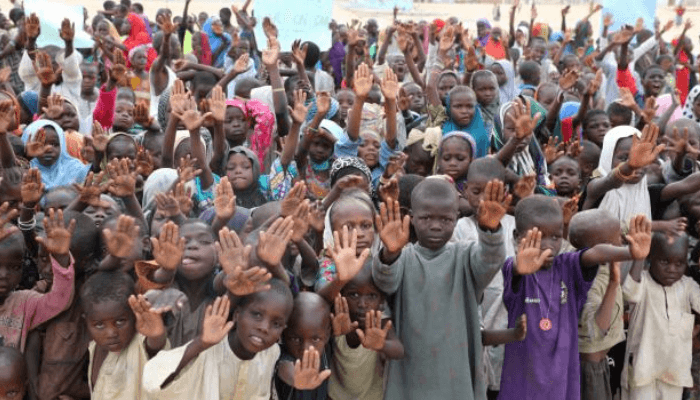
During his address, Alausa stressed that reducing the number of children out of school depends on shared accountability, harmonised implementation frameworks, and evidence-based planning across all levels of government. He acknowledged the scale of the challenge, noting that Nigeria is home to one of the largest populations of out-of-school children in the world.
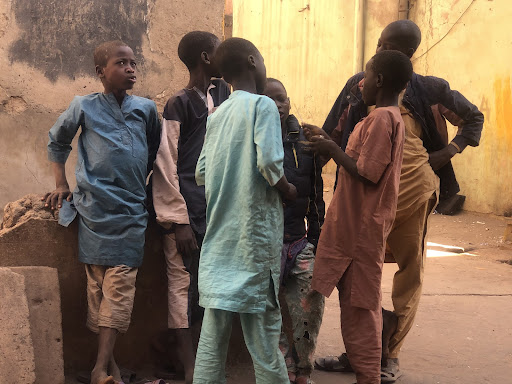
The Almajiri system, a traditional form of Islamic education prevalent in the northern parts of the country, has historically operated outside the mainstream school system. While it has cultural and religious significance, many children in this system find themselves vulnerable as they spend long hours on the streets, often begging for survival. Critics say the lack of formal learning and oversight has contributed to persistent educational exclusion in these communities.
Alausa argued that stronger collaboration between the federal government and sub-national authorities is central to turning the tide. He pointed to recent efforts such as the establishment of the National Commission for Almajiri and Out-Of-School Children Education as a significant step in that direction. The commission now leads structured responses to this complex problem, bringing together stakeholders who understand the social, cultural, and economic realities on the ground.
Highlights from the event in Abuja demonstrated that policymakers are looking to move beyond rhetoric to practical actions that can measurably improve school access. Stakeholders at the webinar explored models and strategies that could be scaled up in states with high numbers of out-of-school children.
Grassroots Innovation and State-Led Interventions
A key message from the peer-learning session was the importance of state-level leadership and innovation. Commissioners for Education from various states shared data and insights about what has worked in their jurisdictions. One such example came from Gombe State, where officials presented data-driven interventions that have helped increase school enrolment. These interventions reflect a shift towards evidence-based planning and implementation — a much-needed approach to dismantle long-standing barriers to education.
The chairperson of the Committee of States Commissioners of Education, Dr Lawal Olohungbebe, highlighted how the platform facilitates structured solution-sharing among states and aligns local innovations with national frameworks and strategies. This model is expected to accelerate progress towards reducing the number of out-of-school children across Nigeria.
Even as this collaborative effort gains ground, stakeholders emphasise that sustained funding, reliable data, meaningful community engagement, and the integration of informal education systems into formal structures are essential for long-term success. Many of the challenges faced are deeply rooted in poverty, insecurity, and limited access to quality education — issues that require coordinated action from government, civil society, and communities.
A Broader Context of Education Reform in Nigeria
Alausa’s remarks reflect a broader movement within Nigeria’s education sector towards reform and renewal. Across various government platforms and policy discussions, education officials have underscored the need to prioritise education in national development planning. For instance, there have been ongoing calls for increased budgetary allocations to the sector to meet the United Nations Educational, Scientific and Cultural Organisation recommendation that at least 20 percent of national budgets be spent on education.
The minister has also highlighted other interconnected challenges in the education ecosystem, including severe teacher shortages, decaying infrastructure, and growing security concerns that disrupt learning environments. According to recent statements, Federal Unity Colleges alone are facing significant staffing gaps, especially in critical subjects like science and mathematics, undermining quality teaching and learning outcomes.
Security issues have added an extra layer of complexity. Schools in regions affected by kidnapping, banditry, and other threats often struggle to operate safely, prompting calls for better protective measures. Alausa has urged for increased investment in infrastructure that enhances safety, such as fencing, surveillance systems, and reliable electricity to power security tools.
Government plans also include leveraging technology to protect schools and improve learning environments nationwide. Initiatives to establish panic buttons linked to safe school command centres and dedicated departments aimed at strengthening school safety demonstrate Nigeria’s evolving response to threats that have kept many families hesitant to send their children to school.
Additionally, federal efforts are not limited to basic education. There are discussions around expanding technical and vocational training programmes to equip young Nigerians with practical skills for employment. These initiatives seek to address not only school participation but also long-term economic empowerment and productivity.
Why This Matters to Nigeria’s Future
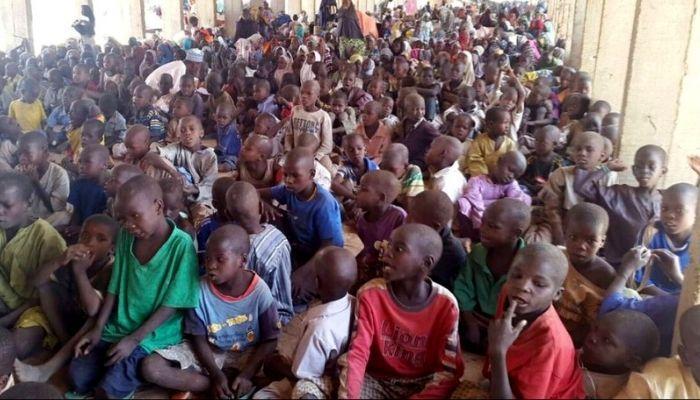
The crisis of out-of-school children in Nigeria has consequences that reach far beyond classrooms. A large population of children without formal education limits the nation’s human capital potential and increases the risk of entrenched poverty, unemployment, and social instability. By fostering partnerships between federal and state authorities, investing in data-driven solutions, and prioritising education funding and safety, Nigeria is signalling a more coordinated and determined response to a challenge that has defied simple solutions for years.
The renewed focus on inclusive education and institutional reform reflects an understanding within leadership that investment in children’s education is an investment in national prosperity. The success of these policies and programmes will depend on consistent commitment, the mobilisation of resources, and the active engagement of communities across Nigeria’s diverse landscape.
As the nation continues this journey, the coming months and years will be critical in determining whether these collaborative strategies yield measurable improvements in school attendance and learning outcomes for children who have long been left behind.
Join Our Social Media Channels:
WhatsApp: NaijaEyes
Facebook: NaijaEyes
Twitter: NaijaEyes
Instagram: NaijaEyes
TikTok: NaijaEyes
READ THE LATEST EDUCATION NEWS