African culture took centre stage at Academic City University in Accra as students gathered for the 2026 edition of Tertulia, a creative event designed to celebrate storytelling, theatre and visual arts from across the continent. The event, organised by the university’s Arts, Media and Drama Club, brought together students, faculty members and art lovers for an evening that blended performance, reflection and cultural appreciation, according to MyJoyOnline.
Held on campus in Ghana’s capital, the annual programme has steadily grown into a platform where young creatives can express their artistic ideas while engaging with African traditions and contemporary social issues. With theatre performances, art exhibitions and lively discussions, the gathering reaffirmed the role universities can play in preserving cultural heritage while encouraging new forms of artistic expression.

A stage play that explored family, grief and hidden truths
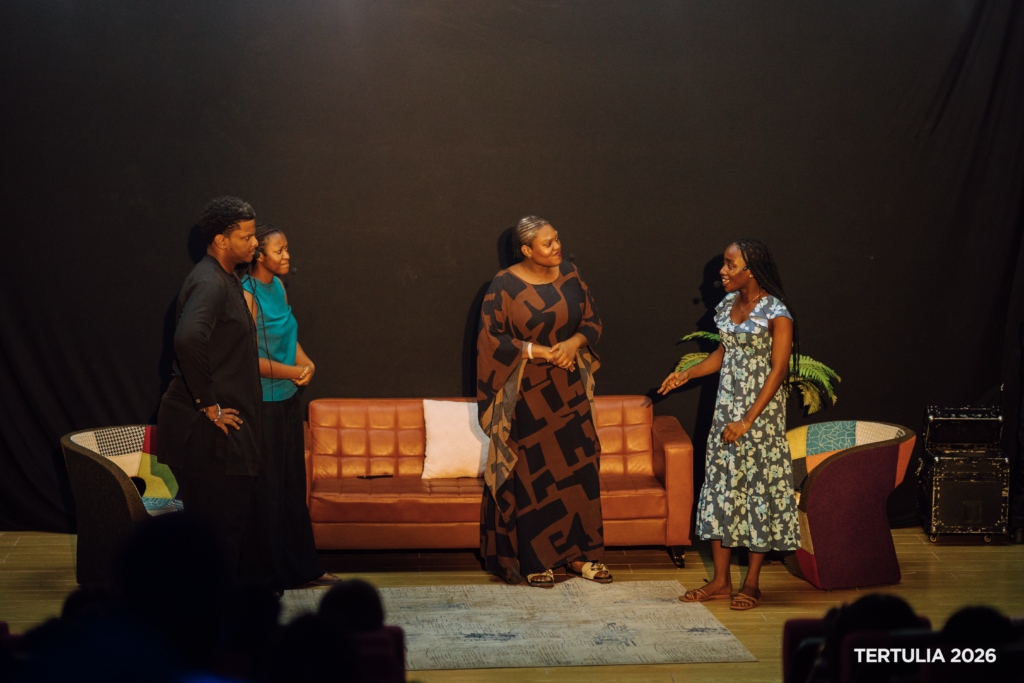
The highlight of the evening was a stage performance titled Don’t Tell Daddy What Happened in Lagos, written by Nigerian playwright Yemi Odunfa. The play drew the audience into a deeply emotional narrative centred on a family confronting loss and the secrets that often surface in moments of grief.
Through powerful dialogue and carefully crafted scenes, the performance examined complex themes such as family relationships, personal silence and the emotional burden that tragedy can place on loved ones. The storyline followed characters who struggled to process painful truths while trying to maintain unity within the family.
For many attendees, the performance served as more than entertainment. It was an opportunity to reflect on how African storytelling traditions continue to evolve while still addressing universal human experiences.
Students who took part in the production spent weeks rehearsing, refining their roles and shaping the emotional tone of the play. Their dedication paid off on the night of the event as the audience responded with enthusiastic applause and thoughtful reactions.
Observers noted that the production reflected the growing confidence of young African creatives who are willing to confront sensitive social themes through the arts. By presenting a Nigerian story on a Ghanaian campus, the play also highlighted the cultural connections that run across different parts of the continent.
Students showcase visual arts and creative expression
Beyond the stage performance, Tertulia 2026 also featured a vibrant exhibition of visual art produced by students. Paintings, illustrations and mixed media works were displayed around the venue, giving guests an opportunity to interact with the creative ideas of emerging artists.
The artworks reflected a wide range of influences, including African folklore, contemporary social issues and personal identity. Some pieces explored themes such as migration and heritage, while others celebrated the beauty of African landscapes, fashion and traditions.
Visitors moved through the exhibition spaces, pausing to examine each piece and engage in conversations with the artists themselves. For the students, the exhibition offered a rare opportunity to present their work publicly and receive feedback from a diverse audience.
Events like this are becoming increasingly important within universities across Africa. As academic institutions place more emphasis on innovation and multidisciplinary learning, the arts are gaining renewed attention as a way to encourage critical thinking and cultural awareness.
Academic City, known for its strong focus on science, technology, engineering, arts and mathematics education, has positioned itself as an institution that encourages both technical excellence and creative exploration.
By hosting events such as Tertulia, the university continues to demonstrate that artistic expression remains a vital component of a well-rounded education.
Event organisers highlight the power of culture and storytelling
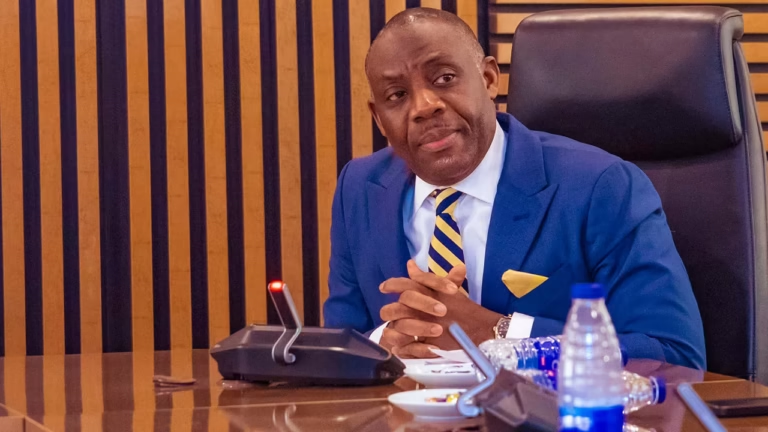
Speaking during the programme, the president of the Arts, Media and Drama Club, Acsah Nhyira Okla, described the event as a meaningful opportunity for students to connect through creativity. She expressed satisfaction with the turnout and the quality of performances presented during the evening.
According to her, the initiative allows students to build confidence while sharing their perspectives through theatre and visual art. She also emphasised that storytelling remains one of the most powerful tools for understanding society and encouraging dialogue among young people.
She noted that the Tertulia platform encourages collaboration among students from different academic backgrounds who might not otherwise interact. By bringing them together through creative projects, the event helps nurture teamwork and fresh ideas.
Okla also acknowledged the organisations and individuals whose support helped make the programme possible. Among the partners that contributed to the event were the British Council, Ebony Condoms, Mejub Company Limited, Musa Mohammed, Praise Gallery and The Visual Vault.
Their support provided resources that allowed the students to stage the performance and mount the art exhibition successfully.
Representatives from partner organisations commended the students for their dedication and creativity. They highlighted the importance of investing in cultural programmes that give young people the opportunity to explore artistic talent and engage with African heritage.
Cultural initiatives strengthening youth engagement in Africa
The success of Tertulia 2026 reflects a broader movement across African universities to integrate arts and culture into academic life. Institutions increasingly recognise that creativity and cultural awareness are essential skills for young leaders who will shape the continent’s future.
University campuses often serve as meeting points where diverse perspectives come together. Through theatre, music, literature and visual arts, students can address issues that affect their communities while celebrating shared cultural identities.
Events like Tertulia also remind audiences of the importance of preserving Africa’s rich storytelling traditions. For centuries, oral narratives, dramatic performances and artistic symbols have served as powerful ways to pass knowledge from one generation to another.
By adapting these traditions for modern audiences, young artists are ensuring that African cultural expression continues to evolve without losing its roots.
The involvement of international partners such as the British Council further demonstrates the global interest in supporting creative initiatives across the continent. Cultural collaborations between universities and global organisations can help provide funding, mentorship and exposure for emerging artists.
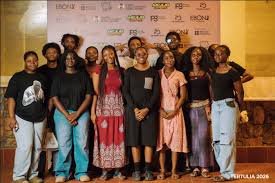
For students who participated in the 2026 event, the experience extended beyond the evening’s performances. It created opportunities for networking, learning and collaboration that may shape their creative journeys long after graduation.
As the audience gradually dispersed at the end of the programme, many expressed appreciation for the students’ effort and the powerful messages conveyed through the performances and artworks.
The event once again confirmed that African universities are not only centres of academic learning but also vibrant spaces where culture, creativity and community engagement flourish.
With growing interest from students and cultural organisations alike, Tertulia is expected to remain a key fixture on the Academic City calendar. Future editions may attract even broader participation, drawing artists and audiences from across Ghana and other parts of Africa.
For now, the 2026 gathering stands as another reminder that storytelling and artistic expression continue to unite people, inspire reflection and celebrate the depth of Africa’s cultural heritage.
Join Our Social Media Channels:
WhatsApp: NaijaEyes
Facebook: NaijaEyes
Twitter: NaijaEyes
Instagram: NaijaEyes
TikTok: NaijaEyes