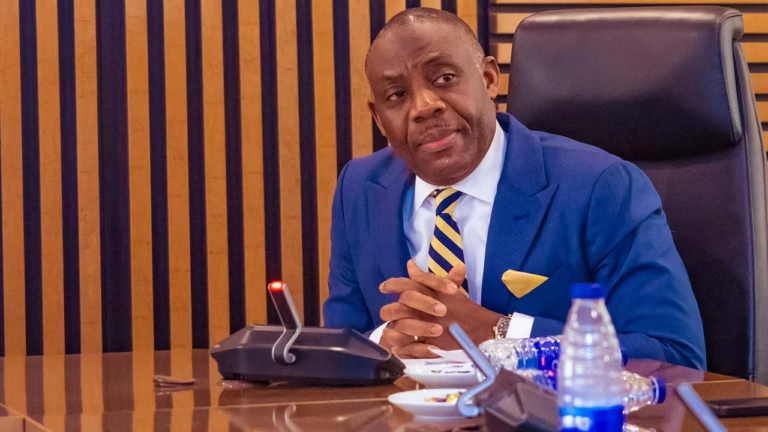
Calls for urgent and practical reforms in the education sector across West Africa have gained renewed attention after a Liberian lawmaker urged regional leaders to move beyond rhetoric and implement concrete measures that can transform the system and prepare young people for the modern workforce.
Speaking during discussions on regional education challenges, the lawmaker stressed that many conversations about reform have remained theoretical for years, while the real problems facing schools, teachers and students across the subregion continue to worsen. He warned that failure to act decisively could deepen unemployment and accelerate migration among young Africans seeking better opportunities abroad.
Education experts across West Africa have long argued that the region’s school systems are still heavily shaped by colonial academic models that prioritise theory over practical skills. In many countries, graduates leave universities and colleges with certificates but without the competencies needed in industries such as technology, manufacturing, agriculture and modern services.
The lawmaker’s intervention has therefore revived debate on how governments in West Africa can rebuild their education systems so they better align with the realities of the 21st century economy. His remarks also highlight growing concerns among policymakers that the region may struggle to compete globally if urgent reforms are not implemented.
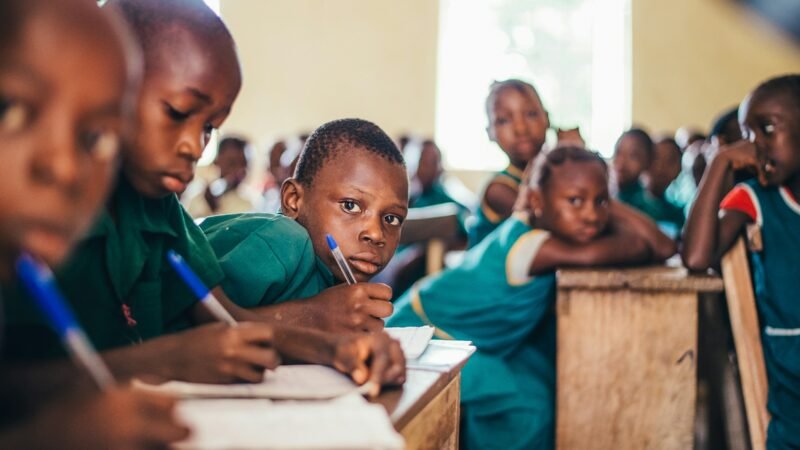
A Region Grappling with Structural Education Challenges
Across West Africa, millions of young people enter the labour market every year. However, the education system in many countries has not evolved quickly enough to match the changing demands of modern economies.
Observers say the situation has created a troubling disconnect between schooling and employment. Universities and colleges continue to produce graduates in large numbers, yet industries often complain that applicants lack practical expertise, digital skills and entrepreneurial ability.
The Liberian lawmaker argued that regional leaders must carefully study available data and recognise how critical education is to the long term development of the region. According to him, strengthening education is essential for building stronger communities and sustainable economies across West Africa.
The issue is not unique to one country. Nations across the region face similar problems such as inadequate funding, outdated curricula, insufficient technical training and poor infrastructure in schools. Rural communities are often the hardest hit, with students studying in overcrowded classrooms and teachers struggling with limited resources.
Experts note that the consequences go beyond education itself. Weak education systems often translate into higher unemployment, lower productivity and reduced innovation. In a rapidly changing global economy driven by technology and digital transformation, these shortcomings can slow down economic growth.
Young people are especially affected. Many graduates find themselves unemployed for years despite holding degrees, while employers frequently recruit foreign professionals to fill specialised roles.
Calls for Practical Skills and Modern Curriculum
A key message from the Liberian lawmaker was the need for education policies that emphasise practical learning and skills development rather than purely theoretical knowledge.
He emphasised that policymakers should focus on education models that prepare students for real work environments. This includes expanding technical and vocational training programmes, strengthening science and technology education, and encouraging partnerships between schools and industries.
Technical and vocational education and training, commonly known as TVET, is increasingly seen as a critical component of modern education systems. Many developed economies rely heavily on vocational training to equip students with job-ready skills in areas such as engineering, construction, information technology and manufacturing.
However, vocational education in many West African countries has historically been underfunded and sometimes viewed as less prestigious than university education. As a result, large numbers of students pursue academic degrees even when labour markets require more technical expertise.
The Liberian lawmaker urged governments to change this perception and invest significantly in technical education. According to him, the future of the region’s workforce depends on creating education pathways that combine academic learning with practical experience.
Education analysts also believe that digital skills must become a central component of the curriculum. With global economies increasingly driven by technology, students across West Africa must develop competencies in coding, data analysis, digital communication and emerging technologies.
Introducing innovation hubs, entrepreneurship training and technology laboratories in schools could help prepare students for modern industries and encourage job creation.
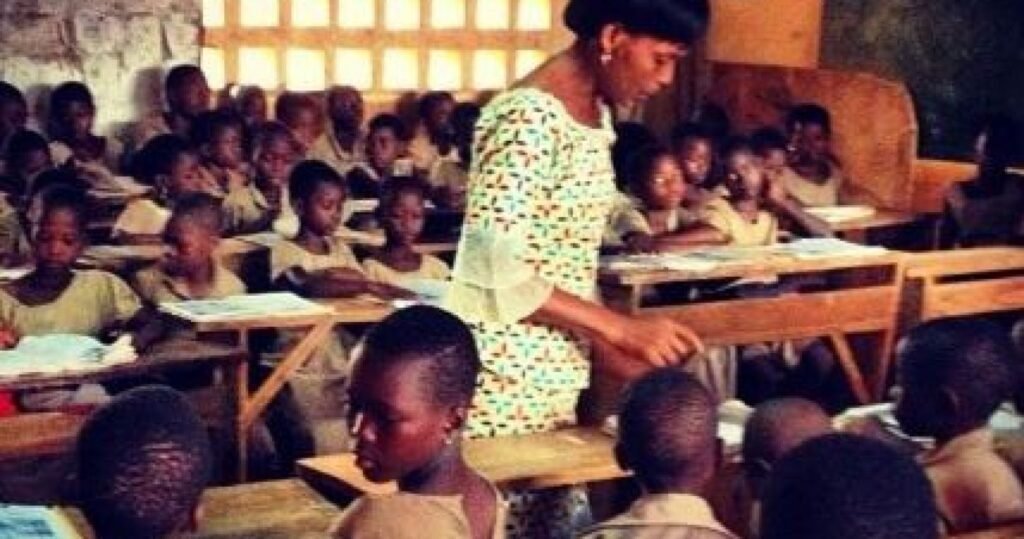
Regional Cooperation Seen as Key to Lasting Reform
Another major point raised during the discussions was the importance of regional collaboration in tackling education challenges. Many of the problems facing education systems in West Africa are shared across borders, making coordinated solutions essential.
Regional institutions and governments could work together to harmonise education standards, share research and develop common policies that strengthen the overall system. This could also improve student mobility across countries and allow graduates to access broader employment opportunities within the region.
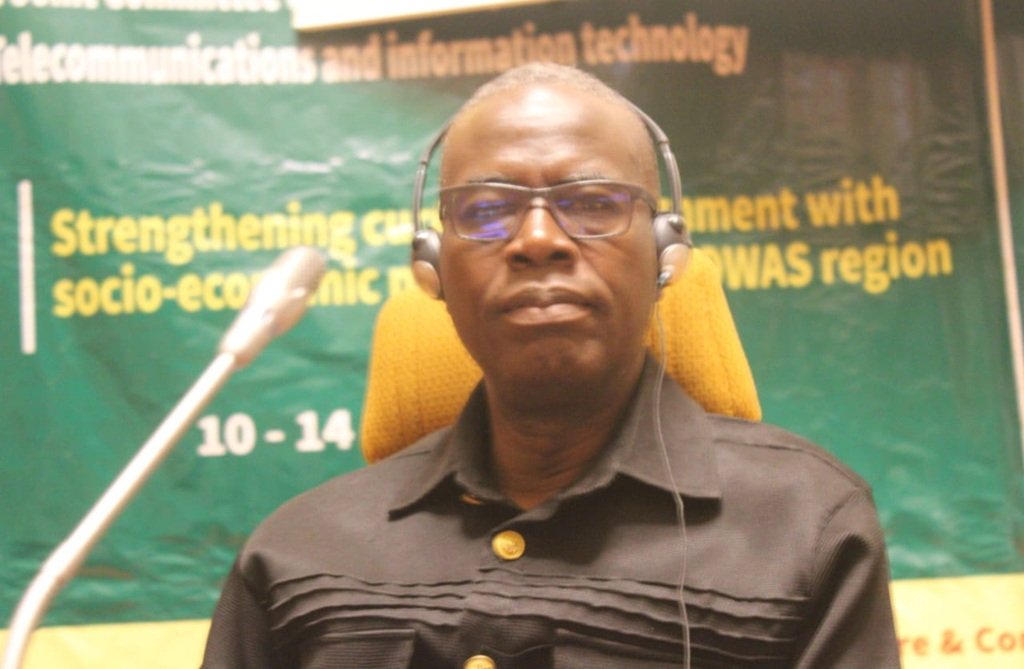
The lawmaker made his remarks while attending a regional meeting in Lome, the capital of Lome, where policymakers and stakeholders gathered to discuss education reform and other development issues affecting West Africa.
Meetings such as these often serve as platforms for lawmakers, education experts and government officials to exchange ideas and explore policy solutions. However, the Liberian representative warned that such discussions must not end with speeches alone.
He cautioned that without clear implementation strategies, reform proposals risk remaining theoretical. Instead, governments must commit to concrete timelines, funding plans and measurable targets for transforming education systems.
Policy experts believe that a coordinated regional approach could help address several challenges at once. Joint research initiatives, regional teacher training programmes and cross-border education partnerships could improve learning outcomes across the subregion.
Furthermore, regional cooperation could help standardise qualifications and certifications, making it easier for skilled workers to move between countries where their expertise is needed.
The Future of Education and Development in West Africa
The renewed focus on education reform comes at a critical moment for West Africa. The region has one of the youngest populations in the world, with millions of young people entering adulthood every year.
This demographic trend presents both a challenge and an opportunity. If properly educated and equipped with the right skills, the region’s youth could drive innovation, economic growth and social transformation. But if education systems continue to struggle, unemployment and social inequality may worsen.
Governments across West Africa are therefore under increasing pressure to rethink their education strategies. Analysts say the region must move away from outdated approaches and embrace modern models that combine academic learning, technical skills and entrepreneurship.
Investment will play a central role in achieving this transformation. Education budgets need to increase, infrastructure must improve, and teachers require better training and support. Without adequate resources, even the best policy ideas may fail to deliver meaningful change.
Private sector involvement could also help accelerate progress. Businesses can collaborate with schools to design industry-relevant curricula, provide internships and support innovation programmes for students.
International organisations and development partners have also shown growing interest in supporting education reform across Africa. Many initiatives now focus on improving digital education, strengthening vocational training and expanding access to quality schooling.
For policymakers, the message from the Liberian lawmaker is clear. Discussions alone will not transform education systems. What is needed now is decisive leadership and practical action that delivers real results for students across West Africa.
As the region continues to face economic and social pressures, education remains one of the most powerful tools for building a prosperous and stable future. The challenge now lies in turning policy discussions into meaningful reforms that empower the next generation of West Africans.
Join Our Social Media Channels:
WhatsApp: NaijaEyes
Facebook: NaijaEyes
Twitter: NaijaEyes
Instagram: NaijaEyes
TikTok: NaijaEyes