
In a clear signal that investment in Science, Technology, Engineering and Mathematics (STEM) education can reshape local economies and social progress in Africa, STEMi Makers of Africa has underscored its belief that sustained support for young learners in these disciplines changes lives at the grassroots level. The non‑governmental organisation received recognition at the 2025 Prestige Africa Education Awards (PAEA) in the category of Advancing STEM Education, a nod to its achievements in broadening access to future‑ready skills and opportunities.
Founded with the mission of equipping young Africans with the technical skills and problem‑solving capabilities needed for the modern workplace, STEMi Makers of Africa has been operating across Nigeria and wider Africa since 2018. Its programmes combine hands‑on learning workshops, training for educators, and community labs that help learners from underserved backgrounds build confidence, creativity and real‑world technical know‑how.
At the awards ceremony in Lagos, the organisation was acknowledged for its contribution to building a new generation of innovators capable of thriving in rapidly evolving technology sectors. The Advancing STEM Education award honours organisations that have demonstrated measurable impact on student outcomes, innovation reach, employability and inclusive learning approaches suited to the challenges facing African communities today.
According to the PAEA Project Manager, Daniel Adebanjo, and Project Director Adebowale Olowu, winning the award is not only a recognition of success but also a catalyst for deeper collaboration with partners in both the public and private sectors. This recognition, they noted, enhances visibility for STEMi’s programmes and opens doors for increased funding and community engagement that can deepen the organisation’s impact.
Building Skills, Shaping Futures
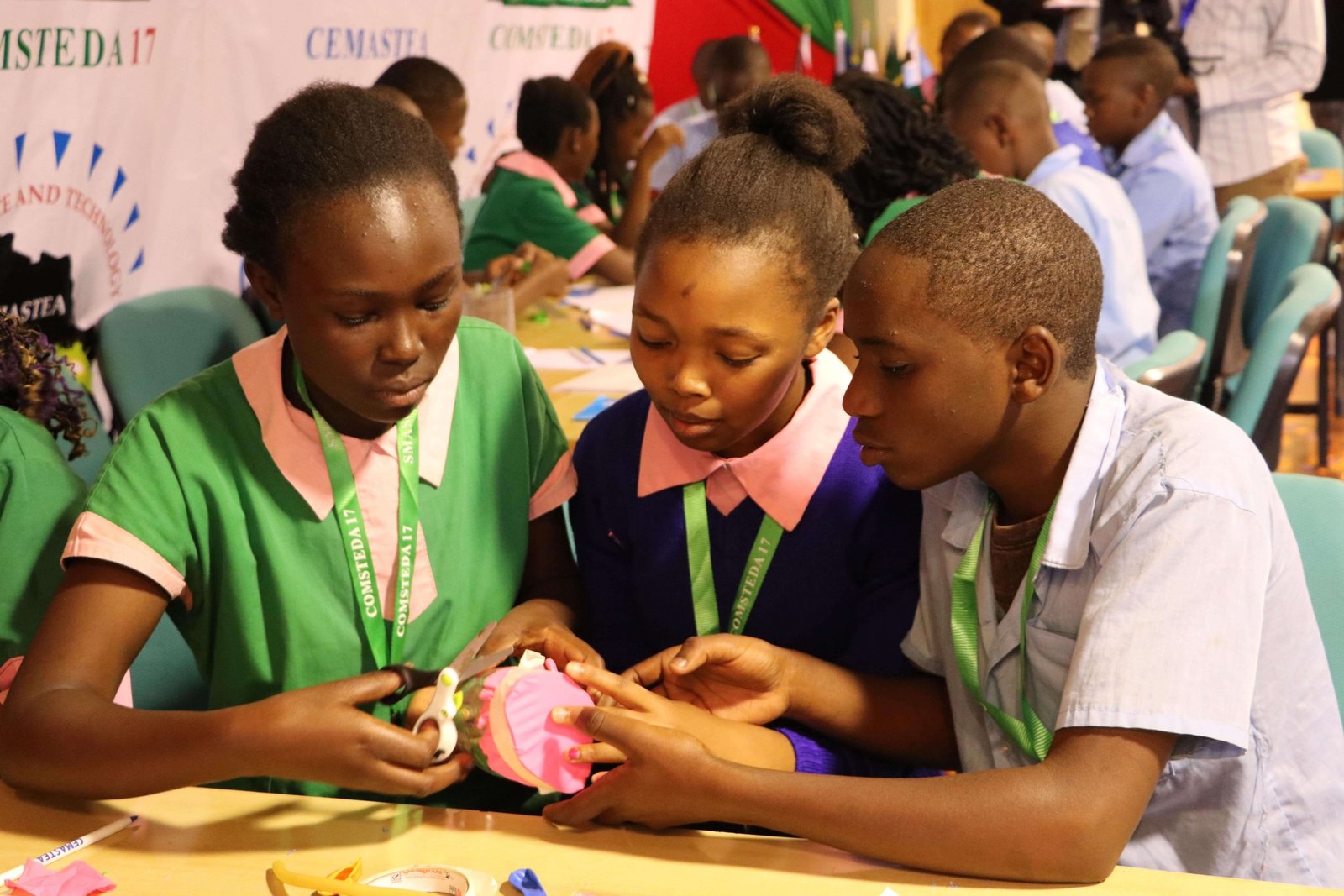
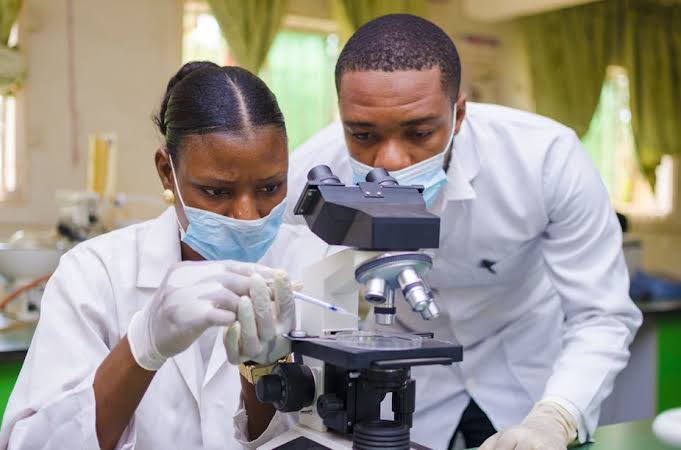
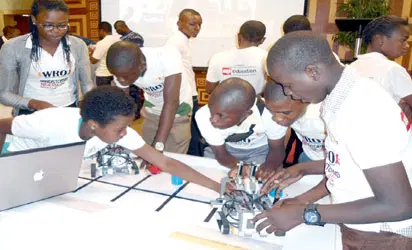
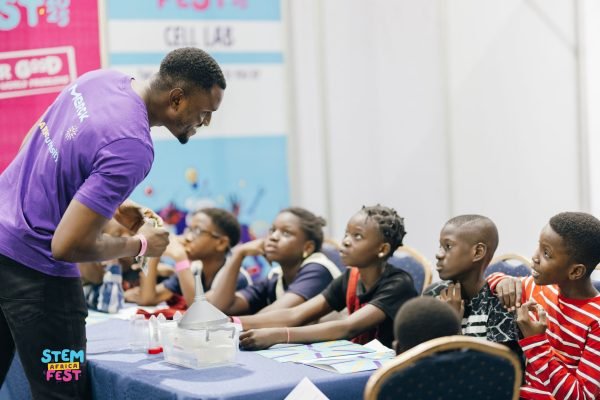
At the heart of STEMi Makers of Africa’s approach is the belief that education must go beyond mere theory if it is to truly benefit young people preparing for work in the twenty‑first century. Over the past year alone, the organisation has reached more than 3,500 students across 12 African countries through initiatives like Innovators Bootcamps and Digital Makers Hubs. These platforms provide learners with practical exposure to coding, robotics, digital design and other in‑demand skills that are increasingly essential in a competitive global economy.
Training for educators is another cornerstone of the organisation’s strategy, equipping over 1,200 teachers to deliver effective STEM content in classrooms and workshops. By empowering teachers with new methodologies and tools, the impact of each intervention increases exponentially, reaching learners from different regions and socio‑economic backgrounds.
Beyond skills development, STEM education builds essential problem‑solving and critical thinking capabilities among young people. These are transferable skills that have relevance not only in tech‑centred careers, but also in entrepreneurship, healthcare, infrastructure, agriculture and other sectors where innovation can drive local solutions.
Investing in STEM also plays a broader role in addressing social challenges such as unemployment and economic inequality. Education experts in Nigeria have repeatedly called on governments, industry leaders and philanthropists to prioritise investment in STEM and digital literacy to create jobs, support entrepreneurship and reduce poverty among youth. These efforts are seen as central to building a dynamic workforce that can harness new technologies for community benefit.
Community Impact Beyond the Classroom
The impact of STEM education extends well beyond individual learners. In communities where programmes like those offered by STEMi Makers of Africa are active, parents, educators and local leaders have reported increased engagement with learners and stronger community interest in STEM subjects. This echoes broader trends seen in other parts of Nigeria, where outreach and education initiatives have stimulated a more enthusiastic uptake of science and technology learning among young people and their families.
For example, another initiative in Lagos helped more than 300 public school students access digital libraries powered by solar energy, bringing technology‑enabled learning resources to classrooms that previously lacked basic infrastructure. This programme has served as a model for how sustainable investment in infrastructure can expand educational equity and inclusion.
Mentorship and access to role models are equally critical. Organisations that integrate mentoring into their STEM programmes help young learners navigate academic and professional pathways with guidance from experienced practitioners. Such elements contribute to a lasting culture of innovation and aspiration that can create ripple effects throughout communities.
Investing in STEM also supports long‑term societal benefits. According to international development perspectives, a workforce skilled in STEM disciplines can contribute to peace and stability by strengthening economic opportunities for youth, reducing frustration and frustration‑driven instability among unemployed populations.
Challenges and the Road Ahead
Despite the success stories and growing support for STEM education, challenges persist. Many regions in Nigeria and across Africa still face limited access to quality education resources, insufficient teacher training, and a lack of infrastructure, such as labs and digital tools. Bridging these gaps requires sustained investment, policy support and coordinated efforts across sectors.
Experts argue that public‑private partnerships, corporate sponsorships and international development funds must be directed towards inclusive STEM initiatives that reach disadvantaged communities and foster gender equality in STEM participation. Programmes that focus on girls and underrepresented groups bring fresh perspectives and expand the talent pool, ultimately strengthening national capacity to innovate.
To sustain momentum, stakeholders involved in education reform call for long‑term strategies rather than one‑off interventions. Longitudinal engagement that supports learners over years rather than weeks is more likely to yield lasting improvements in aspirations, skill levels, and community development.
Transforming Lives Through Education
For many young Africans, access to high‑quality STEM education has become a turning point. Stories from beneficiaries of programmes like those run by STEMi Makers of Africa illustrate how exposure to technology and innovation can alter life trajectories. Learners who acquire digital skills find new confidence, pursue tertiary education opportunities, secure internships, and build careers that would have been out of reach without such support.
Organisations focused on STEM education are at the forefront of a shift in how education is viewed in Nigeria and across Africa. Rather than simply focusing on certificates and rote learning, these programmes emphasise skills that are directly applicable in the real world, from building apps and coding software to designing engineering solutions that tackle local problems.
As Africa’s population continues to grow and its demographic composition becomes increasingly youthful, the importance of preparing this generation to thrive in a technology‑driven world cannot be overstated. With the right investments, support and policy frameworks, STEM education has the potential to empower millions of young people to lead innovation, create jobs, and uplift their communities.
In this evolving landscape, organisations like STEMi Makers of Africa serve as exemplars of how dedicated investment in young people’s education can generate lasting community transformation. Their work shows that with inspiration, mentoring, access to technology and a commitment to inclusion, STEM education can unlock opportunities that reach far beyond the classroom, strengthening economies, reducing inequalities and shaping future leaders.
Join Our Social Media Channels:
WhatsApp: NaijaEyes
Facebook: NaijaEyes
Twitter: NaijaEyes
Instagram: NaijaEyes
TikTok: NaijaEyes