Education has once again taken centre stage in conversations about the future of West Africa, with the Speaker of the ECOWAS Parliament stressing that meaningful regional integration cannot succeed without strong and responsive educational systems across member states.
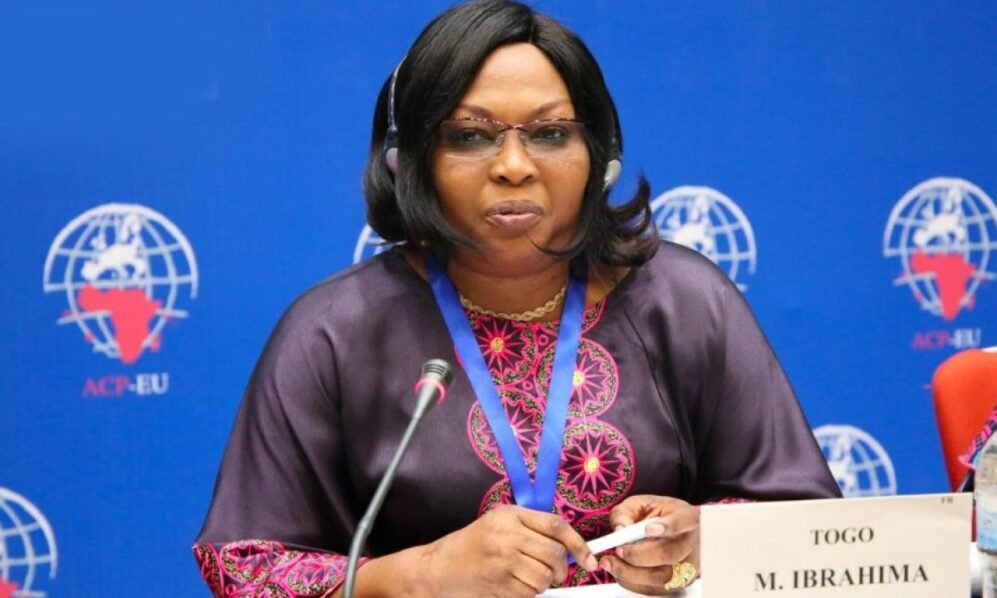
Speaking at the conclusion of a high-level regional meeting in Lomé, Togo, the Speaker, Hadja Mémounatou Ibrahima, emphasised that education is not merely a sector of governance but the foundation upon which economic growth, innovation, and regional unity must be built. According to her, West Africa’s ambition of becoming a closely integrated and competitive region will remain difficult to achieve if the educational systems of its countries fail to prepare young people for the realities of modern economies.
Her remarks came during the closing session of a delocalised joint meeting involving several parliamentary committees, including those responsible for education, science, culture, health, telecommunications, and information technology. The gathering focused on how to align education curricula across the region with current socioeconomic needs, an issue that many policymakers believe is critical for the future of West Africa.
The message was clear. If West Africa truly desires deeper cooperation, mobility of skilled labour, and stronger economies, its education systems must evolve to reflect the demands of the 21st century.
Why Education Matters for Regional Integration
Regional integration has long been one of the core goals of the Economic Community of West African States. The bloc, founded to promote economic cooperation and political stability among West African nations, has implemented policies encouraging trade, free movement of people, and cross-border collaboration.
However, many experts believe integration cannot thrive without shared knowledge systems and compatible educational frameworks. This was precisely the point raised by Ibrahima during the Lomé meeting. She explained that education acts as a multiplier for development and is essential for the region to achieve its broader aspirations.
Her argument reflects a growing consensus among policymakers and development experts. When students across West Africa learn similar skills, values, and professional standards, it becomes easier for them to work across borders, collaborate on research, and contribute to regional industries.
Without such alignment, however, countries often produce graduates whose skills do not match the demands of regional labour markets. This creates unemployment at home while industries across borders struggle to find skilled professionals.
For the ECOWAS leadership, bridging this gap is no longer optional. It is an urgent priority.
Aligning Education with the Region’s Economic Reality
The meeting in Lomé carried the theme “Strengthening Curriculum Alignment with Socio-Economic Needs of the ECOWAS Region”. This theme reflects a long-standing concern across West Africa that many educational systems still rely on outdated teaching models that fail to prepare students for modern economies.
During the discussions, policymakers highlighted the mismatch between what students learn in schools and what employers actually need. Across the region, industries such as technology, digital communication, health services, and engineering continue to expand rapidly. Yet many universities and training institutions are slow to adjust their curricula to these emerging sectors.
This gap, experts say, contributes to youth unemployment across the region.
Ibrahima therefore urged governments, universities, and policymakers to rethink the role of education in national development. Education should not only focus on academic knowledge but also on practical skills, innovation, entrepreneurship, and digital competence.
According to her, education must become a strategic instrument for economic independence and intellectual development within the region.
In other words, schools and universities must prepare young people not just to pass examinations, but to solve real-world problems facing West African societies.
The Broader Vision for West Africa’s Future
The emphasis on education is closely linked to the broader vision of regional integration pursued by the ECOWAS bloc.
Integration in this context goes beyond political cooperation. It includes the free movement of people, shared markets, harmonised regulations, and deeper economic collaboration among member states.
For such a system to function effectively, countries must invest in human capital. Skilled workers, researchers, entrepreneurs, and innovators are the true engines of regional growth.
Without them, trade agreements and economic policies alone cannot transform the region.
This is why many ECOWAS initiatives increasingly focus on knowledge exchange, research collaboration, and cross-border educational programmes. Universities across the region are being encouraged to partner with one another, share research findings, and develop common standards for academic training.
Such collaboration, observers say, can help build a generation of West Africans who see themselves not only as citizens of their individual countries but also as participants in a shared regional future.
The role of education in shaping this identity cannot be overstated. Classrooms are where young people first learn about history, culture, governance, and cooperation. When educational systems emphasise regional understanding, they help nurture a mindset that supports unity and collaboration.
Challenges Confronting Education in West Africa
Despite the optimism surrounding educational reform, significant challenges remain.
Across West Africa, education systems face persistent problems ranging from underfunded institutions to inadequate infrastructure and limited access to modern learning technologies. Many rural communities still struggle with shortages of qualified teachers, learning materials, and safe school facilities.
There is also the issue of unequal access to education. While urban centres often benefit from better schools and universities, many children in rural areas are unable to complete even basic education.
These disparities threaten the region’s long-term development goals.
If integration is to succeed, experts say, educational opportunities must become more inclusive and accessible across all member states. Governments will need to invest more heavily in teacher training, digital infrastructure, and research institutions.
At the same time, collaboration between governments, private sector organisations, and international partners will be crucial in funding and supporting educational transformation.
Another pressing issue is the rapid pace of technological change. Digital skills, artificial intelligence, data science, and green technologies are reshaping global economies. West African education systems must adapt quickly if they hope to remain competitive.
This challenge was also highlighted during the Lomé discussions, where participants stressed the importance of integrating technology and innovation into modern curricula.
A Call for Collective Action
The message from ECOWAS leadership is ultimately a call for collective action.
Regional integration cannot be achieved by governments alone. It requires participation from universities, research institutions, civil society organisations, and the private sector.
Education lies at the centre of this collaborative effort.
By aligning curricula with economic realities, investing in research and innovation, and expanding access to quality learning opportunities, West African nations can build the human capital necessary for sustainable development.
For Ibrahima and other leaders within the ECOWAS system, the stakes are high. The region is home to one of the youngest populations in the world, with millions of young people entering the labour market every year.
If properly educated and empowered, this generation could drive unprecedented economic growth across West Africa.
If neglected, however, the region risks facing deeper unemployment, social instability, and economic stagnation.
Education, therefore, stands not only as a policy priority but as a strategic investment in the future of the entire region.
As policymakers concluded their discussions in Lomé, one message echoed clearly across the halls of the meeting venue.
The dream of a united and prosperous West Africa will not be realised solely through treaties or political agreements. It will be realised in classrooms, laboratories, and training centres where the next generation of West Africans acquire the knowledge and skills to shape their collective future.
In the end, education remains the bridge connecting national ambitions with regional possibilities.
And for West Africa, that bridge has never been more important.
Join Our Social Media Channels:
WhatsApp: NaijaEyes
Facebook: NaijaEyes
Twitter: NaijaEyes
Instagram: NaijaEyes
TikTok: NaijaEyes