Artificial intelligence is no longer a distant concept reserved for research labs and global tech giants. It is now becoming a central force shaping how students learn, think, and prepare for careers in science, technology, engineering and mathematics. Across education systems worldwide, AI is steadily moving from a supplementary tool to a foundational element of STEM learning.
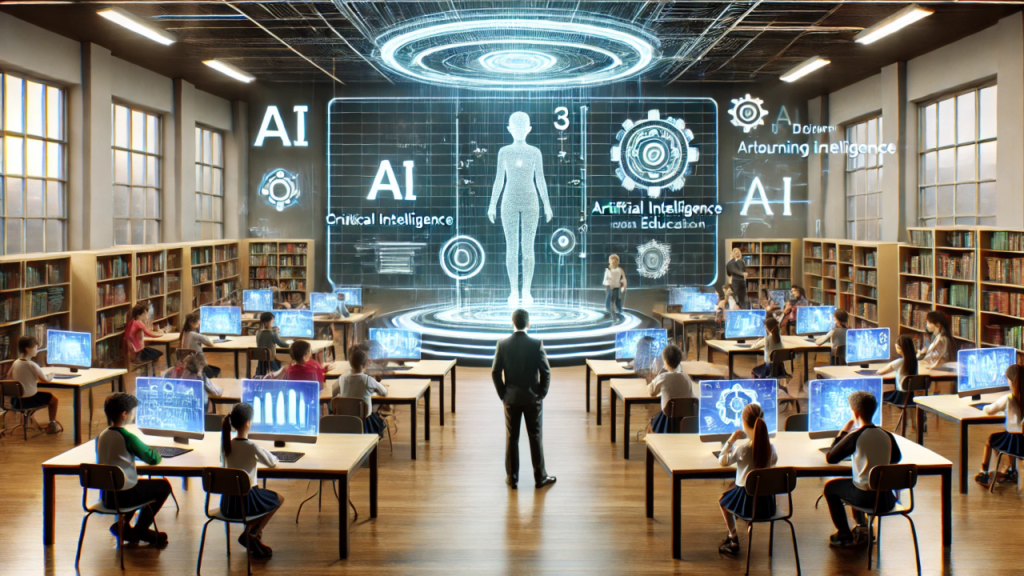
Recent developments show that schools and universities are embedding AI into curricula not just as a subject, but as a learning companion. Intelligent systems now assist with tutoring, automate assessments, and provide real-time feedback to students. These tools replicate aspects of one-on-one teaching, offering personalised guidance that traditional classroom settings often struggle to provide at scale.
In practical terms, this means a student in a crowded classroom can receive tailored explanations suited to their pace and level of understanding. This shift is particularly significant in regions where teacher shortages or limited resources have historically affected the quality of STEM education. In some systems, AI-powered tutors are already being deployed to bridge these gaps, supporting both students and educators in delivering more effective instruction.
Beyond accessibility, AI is also redefining what it means to learn STEM. It encourages exploration, experimentation and problem solving by giving students tools that simulate real-world scientific and engineering environments. Platforms designed to support STEM learning are increasingly interactive, combining virtual experiences with career insights to spark early interest in technical fields.

How AI is Reshaping Career Pathways for Students
The integration of AI into education is not only transforming how students learn, it is also reshaping how they plan their futures. Career development in STEM is becoming more data-driven, guided by intelligent systems that analyse student performance, interests and emerging job market trends.
AI tools are now capable of recommending career paths, suggesting relevant courses, and even identifying skill gaps that students need to address. This personalised career guidance is particularly important in a rapidly evolving global economy where traditional job roles are constantly being redefined.
Research shows that AI is becoming part of the infrastructure that influences how students form their career identities. It supports decision-making by providing access to opportunities, mentorship pathways, and labour market insights that were previously difficult to obtain.
For many students, especially in developing economies, this represents a major shift. Instead of relying solely on limited career counselling resources, they can now access intelligent systems that guide them towards relevant STEM opportunities both locally and globally.
In addition, collaborations between educational institutions and industry players are strengthening this ecosystem. Students are increasingly exposed to real-world applications of AI through internships, project-based learning and digital platforms that mirror workplace environments. This alignment between education and industry ensures that graduates are better prepared for the demands of modern STEM careers.
Global Trends Driving AI Adoption in STEM Systems
The global momentum behind AI in education is accelerating, with countries investing heavily in initiatives that position their students for future technological leadership. From Europe to Asia and Africa, governments and institutions are recognising that AI literacy is no longer optional.
In some countries, nationwide programmes are equipping students with AI skills from secondary school level. These initiatives focus on building critical thinking, digital competence and the ability to navigate an increasingly complex information landscape.
Higher education institutions are also expanding their focus on artificial intelligence, increasing enrolment in AI-related fields and integrating it into broader STEM programmes. This reflects a growing understanding that future innovation will depend heavily on a workforce that is both technically skilled and adaptable.
Across Africa, there is a rising demand for STEM education driven by the need for industrial growth and economic transformation. Integrating AI into this framework is seen as a catalyst for development, enabling countries to leapfrog traditional barriers and participate more actively in the global knowledge economy.
In Nigeria, the conversation around AI in education is gaining momentum. Experts emphasise that embedding AI into STEM learning is essential for building a workforce capable of driving scientific and technological advancement.
At the same time, innovative models of AI-driven schools and learning environments are emerging globally. These models experiment with personalised learning schedules, reduced classroom instruction time, and increased focus on practical and creative skills. While still evolving, they offer a glimpse into what future education systems may look like.
Opportunities and Challenges in an AI-Powered Education Future
While the rise of AI in STEM education presents significant opportunities, it also raises important questions about equity, ethics and implementation. The benefits are clear. Students gain access to personalised learning, improved engagement, and better career alignment. Educators can leverage data insights to enhance teaching effectiveness, while institutions can scale quality education more efficiently.
However, challenges remain. One major concern is the risk of widening the digital divide. Access to AI tools often depends on infrastructure, connectivity and funding, which can vary widely between regions. Without careful planning, the integration of AI could unintentionally reinforce existing inequalities in education.
There are also ethical considerations around data privacy, algorithmic bias and the role of human teachers. Experts warn that while AI can enhance learning, it should not replace the human elements of mentorship, empathy and critical guidance that are essential in education.
Another key issue is ensuring that AI systems are designed responsibly. This includes aligning them with developmental stages, cultural contexts and educational goals. As AI becomes more embedded in career decision-making, there is a need for clear frameworks that define its role and limitations.
Despite these challenges, the direction is clear. AI is becoming an integral part of how education systems prepare students for the future. The focus is now shifting towards building balanced models that combine technological innovation with human-centred approaches.
For Nigeria and other emerging economies, this moment presents both an opportunity and a responsibility. By investing in AI-driven STEM education, there is potential to unlock new pathways for youth employment, innovation and global competitiveness. At the same time, it requires thoughtful implementation to ensure that no student is left behind.
Join Our Social Media Channels:
WhatsApp: NaijaEyes
Facebook: NaijaEyes
Twitter: NaijaEyes
Instagram: NaijaEyes
TikTok: NaijaEyes