Across Nigeria, a once-forgotten part of the country’s digital journey is quietly returning to relevance. Community cyber cafés, long overshadowed by smartphones and private internet access, are beginning to re-emerge as unlikely drivers of a new tech education revival.
For many Nigerians who came of age in the early 2000s, cyber cafés were their first contact with the internet. They were places where curiosity met opportunity. Young people walked in with little or no knowledge and walked out with basic digital skills that would later shape their careers. Today, that same model is finding renewed purpose in a country where millions still lack access to personal computers, stable internet, or structured tech training.
Recent conversations within Nigeria’s tech ecosystem suggest that the revival of these spaces is not about nostalgia. It is about necessity. As the demand for digital skills rises globally, the gap between those who can access training and those who cannot continues to widen. Community cyber cafés are stepping in to bridge that gap, offering a practical, accessible entry point into the digital world for underserved populations.
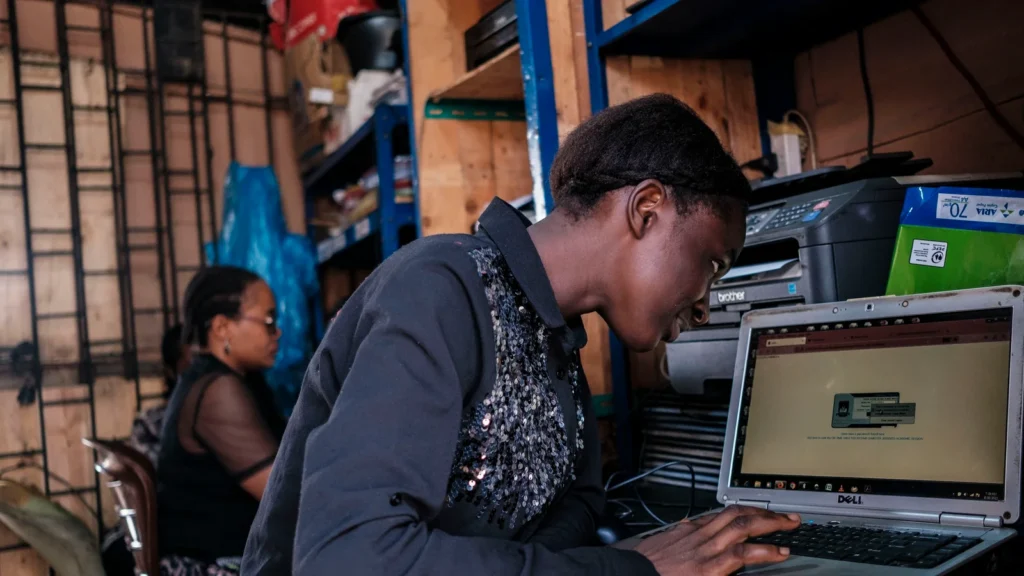
Why cyber cafés still matter in a mobile-first era
At first glance, it may seem counterintuitive that cyber cafés would regain importance in a country where smartphones are widespread. However, access to the internet is not the same as access to meaningful digital education.
Smartphones are excellent for communication and social media, but they are limited when it comes to learning programming, data analysis, or other technical skills. Cyber cafés provide something more structured. They offer desktops, stable connectivity, and an environment that encourages focused learning.
Historically, these spaces have played a significant role in digital literacy. Studies show that a large percentage of Nigerian users first learned how to navigate the internet through informal means, including cyber cafés, self-teaching, and peer guidance. This informal learning model is now being rediscovered as a powerful tool in expanding access to tech education.
More importantly, cyber cafés function as community learning hubs. Unlike isolated online courses, they provide a shared environment where beginners can ask questions, observe others, and learn collaboratively. This social aspect of learning is particularly valuable in communities where formal tech education is limited or unavailable.
In many ways, cyber cafés are filling a gap that modern edtech platforms have not fully addressed. They bring human interaction back into digital learning, making it less intimidating and more inclusive.
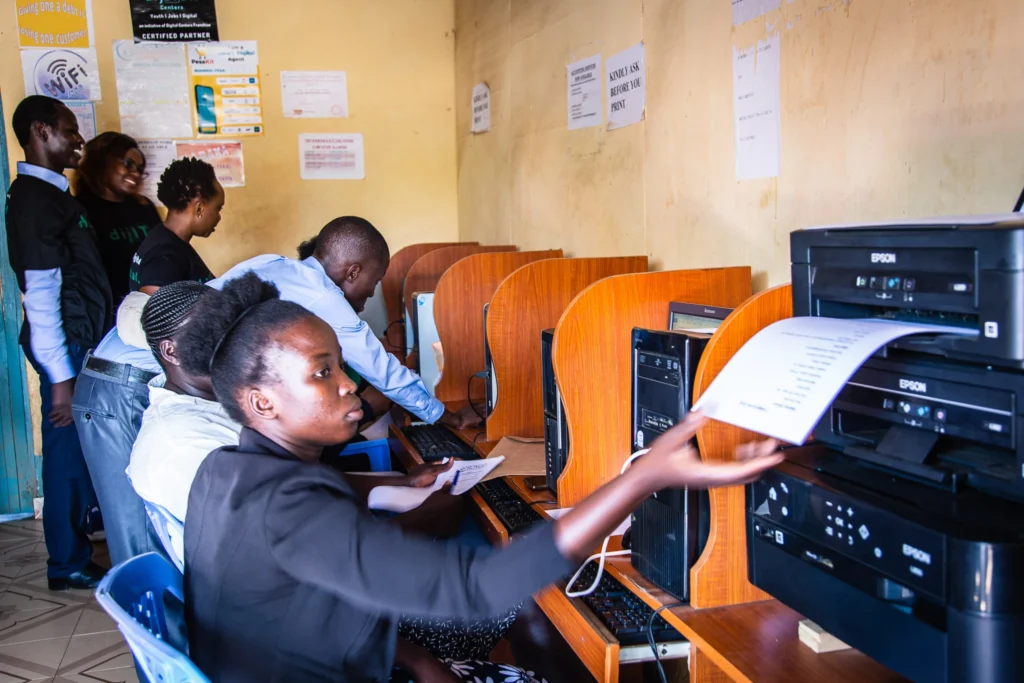
From browsing centres to grassroots tech hubs
What is changing today is not just the presence of cyber cafés, but their purpose. They are evolving from simple browsing centres into grassroots tech hubs.
In different parts of Nigeria, café owners are beginning to integrate structured learning into their services. Some now offer basic coding classes, digital literacy workshops, and guidance on navigating online learning platforms. Others are partnering with local organisations and initiatives to provide training sessions and mentorship.
This shift aligns with broader national efforts to build a digital workforce. Programmes such as the 3 Million Technical Talent initiative aim to equip millions of Nigerians with in-demand tech skills. While these programmes often rely on online delivery, their effectiveness depends heavily on physical access points where learners can participate meaningfully.
Community cyber cafés are increasingly serving as those access points. They provide the infrastructure that allows individuals without personal devices to take part in online training programmes, complete assignments, and collaborate with peers.
There is also a growing recognition within the tech ecosystem that innovation does not only happen in major hubs like Lagos or Abuja. Smaller communities, when given the right tools and environment, can produce skilled talent. Cyber cafés are helping to decentralise tech education, bringing opportunities closer to people rather than requiring people to move to urban centres.
At the same time, organisations focused on digital inclusion across Africa continue to emphasise the importance of accessible learning environments. By combining infrastructure with community support, cyber cafés are positioning themselves as a critical layer in Nigeria’s evolving tech education landscape.

Challenges, risks, and the path forward
Despite their potential, the revival of cyber cafés is not without challenges. Longstanding issues such as unreliable electricity, high operating costs, and limited internet bandwidth continue to affect their sustainability. Research has identified poor power supply and high costs of equipment and connectivity as major obstacles facing cyber café operators in Nigeria.
There are also concerns around cybersecurity and misuse. Some studies have highlighted the role of cybercafes in enabling online fraud and other cybercrimes, largely due to weak regulatory frameworks and limited oversight. These risks cannot be ignored, especially as digital adoption increases.
However, these challenges also present an opportunity for reform. With proper regulation, training, and investment, cyber cafés can be repositioned as safe and productive learning environments. Introducing clear operational guidelines, improving cybersecurity awareness, and supporting café owners with infrastructure can significantly enhance their impact.
Another critical factor is intentional integration into the broader education system. Cyber cafés should not operate in isolation. Partnerships with schools, training programmes, and tech organisations can transform them into recognised learning centres. This would not only improve quality but also create pathways for learners to transition into formal tech careers.
The future of tech education in Nigeria will likely depend on a hybrid model that combines online platforms with physical community spaces. While digital tools provide scalability, physical spaces provide accessibility and support. Cyber cafés sit at the intersection of these two realities.
What is becoming clear is that the solution to Nigeria’s digital skills gap may not come solely from new innovations, but from reimagining existing structures. Community cyber cafés, once seen as outdated, are proving that with the right approach, they can play a central role in shaping the next generation of Nigerian tech talent.
Join Our Social Media Channels:
WhatsApp: NaijaEyes
Facebook: NaijaEyes
Twitter: NaijaEyes
Instagram: NaijaEyes
TikTok: NaijaEyes