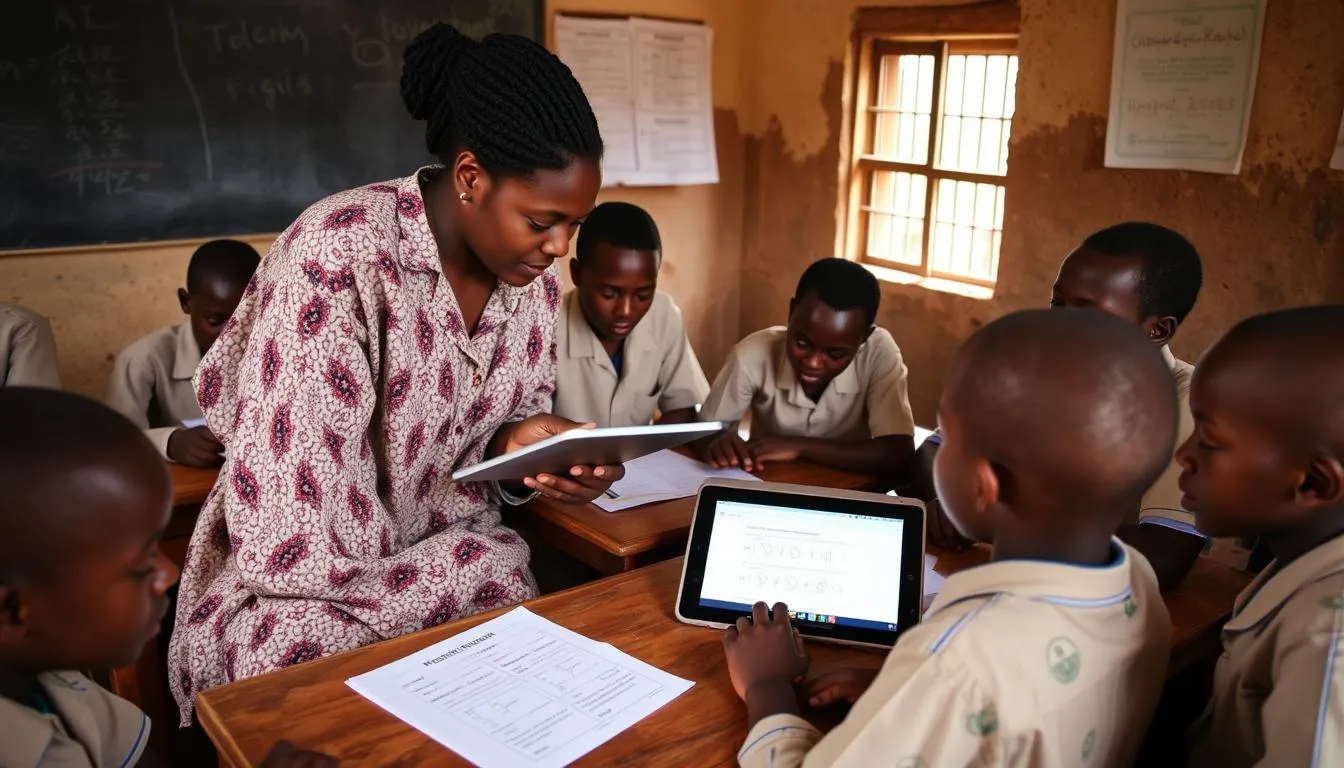

Across Nigeria’s classrooms, a quiet revolution is taking place. From Lagos to Enugu, teachers are rethinking not just what they teach, but how they teach it. The traditional model of long lectures, heavy notes, and rigid delivery is steadily giving way to something far more dynamic and familiar to today’s learners: short, engaging, TikTok-style lessons.
This shift is largely driven by the learning preferences of Generation Z students, a cohort raised on smartphones, fast content, and constant digital interaction. For many of them, sitting through a one-hour lecture without stimulation feels outdated. Instead, they respond better to bite-sized information delivered quickly and creatively.
Educators are taking note. Rather than compete with social media, they are borrowing from it. Microlearning, which involves breaking lessons into short, focused segments, is now being adapted into video formats that mirror the rhythm of TikTok and Instagram Reels. These clips often last between 30 seconds and three minutes, delivering a single concept in a clear and engaging way.
Globally, research shows that younger learners prefer content that is “engaging, digestible and informative,” especially when presented through short-form video formats. This insight is now shaping how Nigerian teachers design their lessons, especially in urban and tech-aware schools.
Inside the Rise of TikTok Style Teaching in Nigeria
The adoption of TikTok-inspired teaching methods is not just theoretical. Nigerian educators are already using social media platforms to bring learning closer to students’ everyday experiences.
One notable example is Olalekan Adeeko, a Nigerian teacher who has gained attention for teaching technology concepts in Yoruba through TikTok and other digital platforms. His approach blends local language with modern delivery, making complex ideas more accessible and relatable.
This model reflects a broader trend where teachers are stepping outside the classroom and into students’ digital spaces. Lessons are now being recorded as short clips, sometimes with humour, subtitles, or real-life examples that mirror the storytelling style common on TikTok.
In some cases, teachers even use trending sounds or visual formats to capture attention. While this may seem unconventional, it aligns with how students already consume information daily. The goal is not entertainment alone, but engagement that leads to understanding.
There are also grassroots examples of teachers informally adopting this style. Viral clips of Nigerian teachers marking assignments with humorous comments or sharing classroom moments online show how educators are increasingly blending personality with pedagogy.
This shift signals a deeper transformation. Teaching is no longer confined to chalkboards and classrooms. It is becoming content-driven, interactive, and, importantly, shareable.
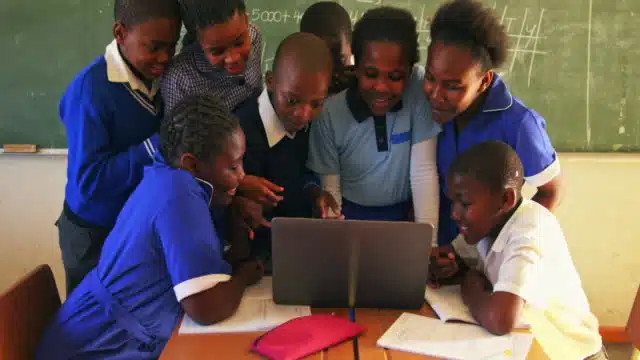
Why Microlearning Works for Gen Z Students
The effectiveness of TikTok-style microlearning lies in its alignment with how Gen Z processes information. This generation has grown up in a fast-paced digital environment, where content is consumed in quick bursts and attention is constantly divided.
Microlearning reduces cognitive overload by focusing on one idea at a time. Instead of overwhelming students with large volumes of information, it allows them to absorb concepts in manageable chunks. This method improves retention and makes revision easier, as students can replay short videos whenever needed.
Another advantage is accessibility. Many students already spend hours on their phones daily. By delivering lessons through platforms they are familiar with, teachers remove barriers to learning. Education becomes something students can access anytime, not just during school hours.
There is also a psychological element. Short videos feel less intimidating than long lectures. Students are more likely to engage with content that feels quick and achievable, which in turn builds confidence and encourages continuous learning.
In Nigeria, where educational resources can be unevenly distributed, this approach also offers a level of inclusivity. A single well-made video can reach thousands of students beyond the physical classroom, bridging gaps in access to quality teaching.
Challenges, Opportunities, and the Future of Digital Learning
Despite its promise, the rise of TikTok-style microlearning in Nigeria is not without challenges. Limited internet access, high data costs, and inconsistent electricity supply still affect many students, particularly in rural areas. These factors can restrict the reach of digital learning initiatives.
There is also the question of balance. While short-form content is effective for introducing concepts, deeper understanding still requires structured learning, critical thinking, and extended study. Educators must ensure that microlearning complements, rather than replaces, comprehensive teaching.
Another concern is digital distraction. The same platforms used for learning also host entertainment content that can easily divert attention. Without proper guidance, students may struggle to maintain focus.
However, the opportunities outweigh the challenges. Nigeria’s youthful population and growing digital ecosystem provide fertile ground for innovation in education. As more teachers gain digital skills and schools invest in technology, microlearning is likely to become more refined and widespread.
The broader implication is clear. Education in Nigeria is evolving to meet students where they are. Instead of resisting change, teachers are adapting, experimenting, and finding creative ways to remain relevant in a rapidly shifting world.
What is emerging is a hybrid model where traditional teaching methods coexist with digital innovation. Classrooms are no longer just physical spaces. They are becoming ecosystems that extend into smartphones, social media, and online communities.
For Gen Z students, this could mark the beginning of a more engaging and personalised learning experience. For teachers, it represents both a challenge and an opportunity to redefine their role in the digital age.
As this trend continues to grow, one thing is certain: the future of education in Nigeria will not look like its past. It will be faster, more interactive, and deeply connected to the digital habits of the next generation.
Join Our Social Media Channels:
WhatsApp: NaijaEyes
Facebook: NaijaEyes
Twitter: NaijaEyes
Instagram: NaijaEyes
TikTok: NaijaEyes