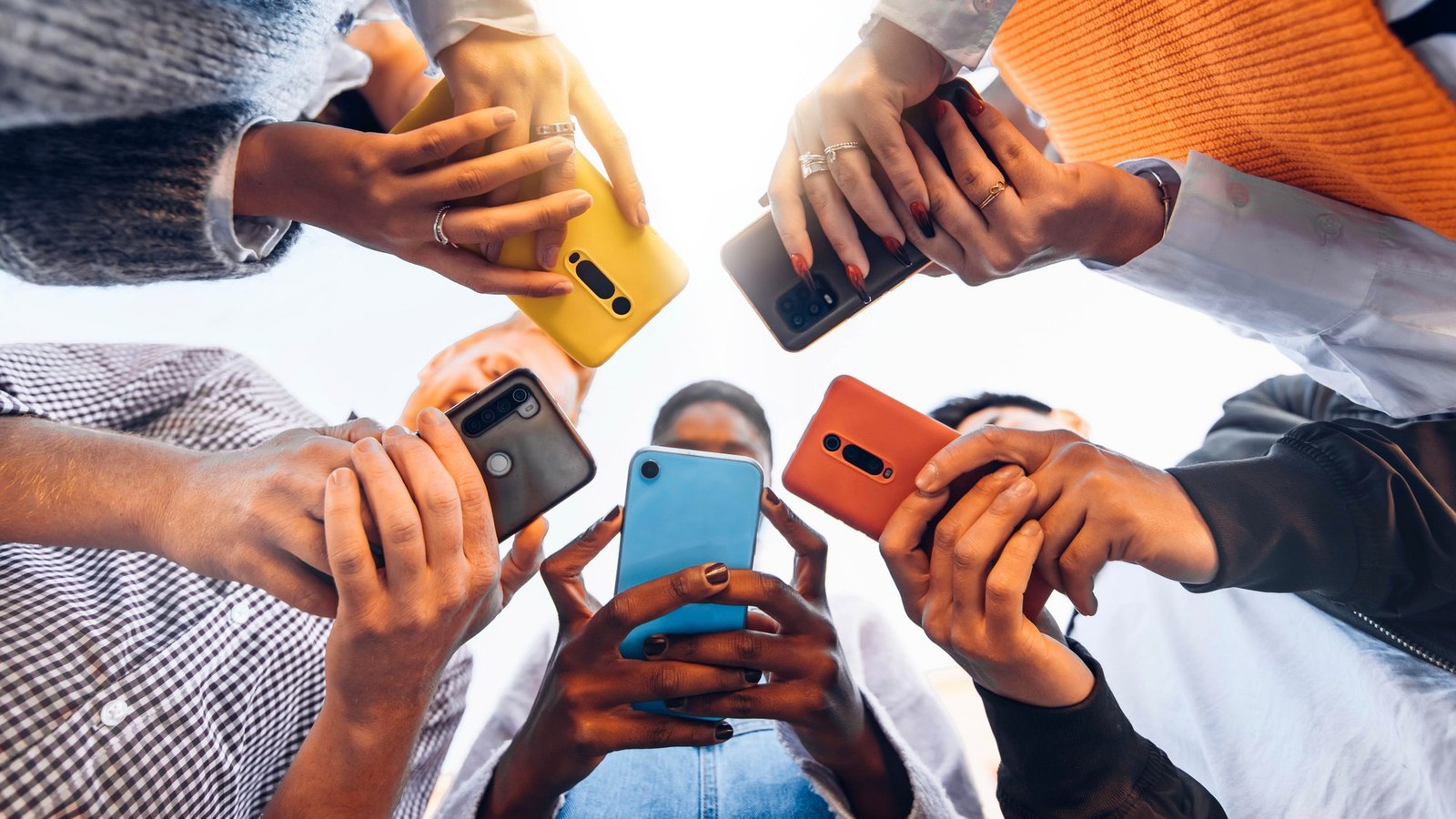

Across homes in Greece, a quiet but intense struggle is unfolding. Parents are fighting to reclaim their children’s attention from smartphones, just as the government prepares to introduce a sweeping ban on social media use for minors under the age of 15.
What is emerging is not just a policy debate but a deeply personal crisis for families. Many parents say they have tried everything, from confiscating devices to installing monitoring apps, yet nothing seems to work for long. Now, with a nationwide restriction on the horizon, the issue has moved from private frustration to public urgency.
The proposed measure reflects growing global concern about the impact of social media on children’s mental health, safety, and development. But as the policy gains traction, it is also exposing the limits of parental control in a digital-first generation.
Parents Struggle to Separate Children from Screens and Social Media
For many families, the battle begins at home. Parents describe a daily cycle of negotiation, resistance, and sometimes outright conflict over screen time.
Some say their children become withdrawn or irritable when devices are taken away. Others admit they feel powerless, especially when digital platforms are deeply woven into school life, friendships, and entertainment.
Reports indicate that complaints to national online safety bodies have surged, with cases involving cyberbullying, blackmail, misinformation, and exposure to harmful content becoming increasingly common among young users. Alarmingly, a significant portion of these cases involve primary school children.
Experts warn that children are often ill-equipped to handle the risks that come with unrestricted access to social media. The addictive nature of these platforms, driven by algorithms designed to maximise engagement, makes it even harder for young users to disconnect.
Despite efforts such as parental controls and school-level restrictions, many parents say the digital pull remains stronger than household rules.
Government Steps In with Proposed Nationwide Ban
In response to mounting concerns, the Greek government is moving towards a bold intervention: a ban on social media for children under 15.
The policy is expected to apply to major platforms and will build on existing measures, including restrictions on mobile phone use in schools. The aim is to create a safer digital environment while easing the burden on parents who have struggled to enforce limits on their own.
Public support for the proposal appears strong. Surveys suggest that a large majority of citizens back stricter controls on children’s online activity, reflecting widespread anxiety about the long-term effects of excessive screen time.
Authorities are also exploring complementary tools, such as enhanced age verification systems and parental monitoring technologies, to ensure compliance and effectiveness.
However, questions remain about enforcement. Critics argue that determined teenagers may find ways around restrictions, while others worry about unintended consequences, such as pushing young users towards less regulated online spaces.
A Global Movement Gains Momentum
Greece is not acting in isolation. Around the world, governments are tightening rules on children’s access to social media, signalling a broader shift in how societies view digital exposure among young people.
Countries such as Australia have already implemented bans for users under 16, while others across Europe and Asia are considering or introducing similar measures.
In places like France, Denmark, and Indonesia, policymakers are exploring a mix of age restrictions, parental consent requirements, and platform accountability rules. The common thread is a growing recognition that self-regulation by tech companies may not be enough to protect children.
Even in countries without outright bans, governments are issuing stricter guidelines on screen time. In the United Kingdom, for example, authorities now recommend tight limits on young children’s digital exposure, citing risks to sleep, social development, and physical health.
This global momentum suggests that Greece’s proposed ban is part of a larger recalibration of digital norms, especially for younger generations.
Teenagers Push Back as Debate Deepens
While many parents welcome stronger regulation, not everyone is convinced that a ban is the right solution.
Teenagers themselves argue that social media is central to their lives. It is how they communicate, learn, and express themselves. For them, a blanket restriction can feel like a disconnect from modern reality.
Some parents share this concern, preferring education and guidance over prohibition. They believe that teaching responsible use may be more effective than outright bans, especially in a world where digital skills are increasingly essential.
There are also fears that strict rules could widen generational gaps, making it harder for parents and children to understand each other’s digital experiences.
Still, supporters of the ban insist that the risks outweigh the drawbacks. Studies have linked excessive social media use to anxiety, depression, and exposure to harmful content, reinforcing the argument for decisive action.
As Greece moves closer to formalising the policy, the debate is likely to intensify. What is clear, however, is that the issue goes beyond legislation. It touches on parenting, technology, and the evolving nature of childhood in a connected world.
For now, families continue to navigate the tension between control and freedom, hoping for solutions that protect children without isolating them.
Join Our Social Media Channels:
WhatsApp: NaijaEyes
Facebook: NaijaEyes
Twitter: NaijaEyes
Instagram: NaijaEyes
TikTok: NaijaEyes