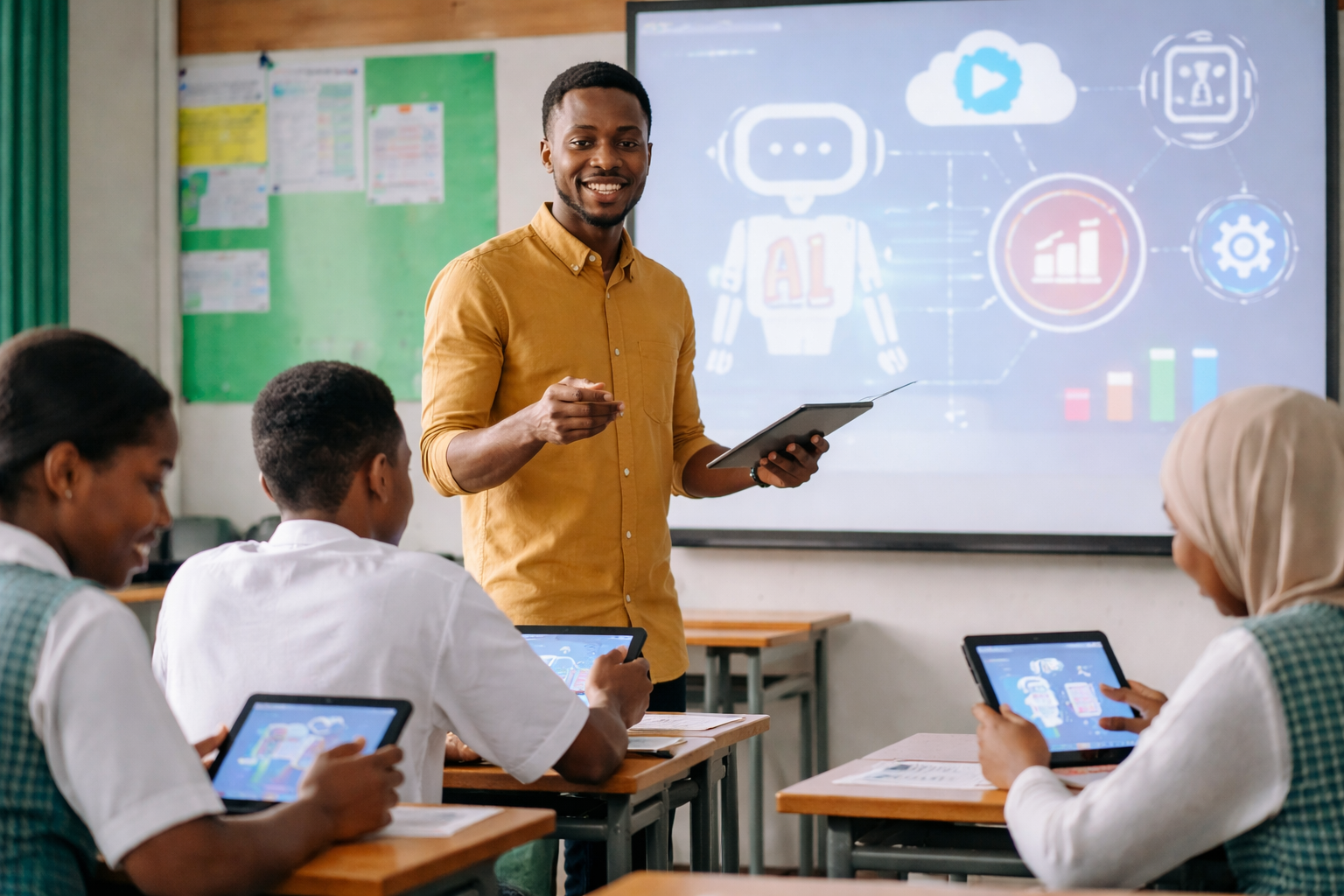

Across Nigeria’s schools and universities, a quiet but powerful shift is taking place. Students and teachers are increasingly relying on artificial intelligence tools in ways that are not formally approved, regulated, or even acknowledged by their institutions. This growing trend is what experts now refer to as “shadow AI”.
Shadow AI simply means the use of AI tools outside official school systems, policies, or supervision. In practical terms, it is the student who uses AI to write essays, solve maths problems, or summarise textbooks without telling the teacher. It is also the teacher who quietly uses AI to prepare lesson notes, mark scripts, or generate exam questions without any institutional guidelines.
Recent discussions on education and technology in Nigeria show that this behaviour is no longer rare. It is becoming part of everyday academic life, driven by convenience, pressure, and limited learning resources in many schools across the country. Reports suggest that AI adoption among students is already widespread, even when schools are not fully prepared for it or have not introduced formal AI education frameworks.
What makes this situation more complex is that most schools are still operating without clear AI policies. This leaves both students and teachers navigating new digital tools on their own terms.

Why Shadow AI is Growing Fast in Nigerian Schools and Universities
The rise of shadow AI is not happening by accident. It is the result of multiple pressures that define today’s Nigerian education system.
First is academic pressure. Students are expected to perform well in exams that still rely heavily on memorisation and speed, even as the world shifts toward digital and analytical skills. When deadlines pile up and resources are limited, AI becomes an easy escape route.
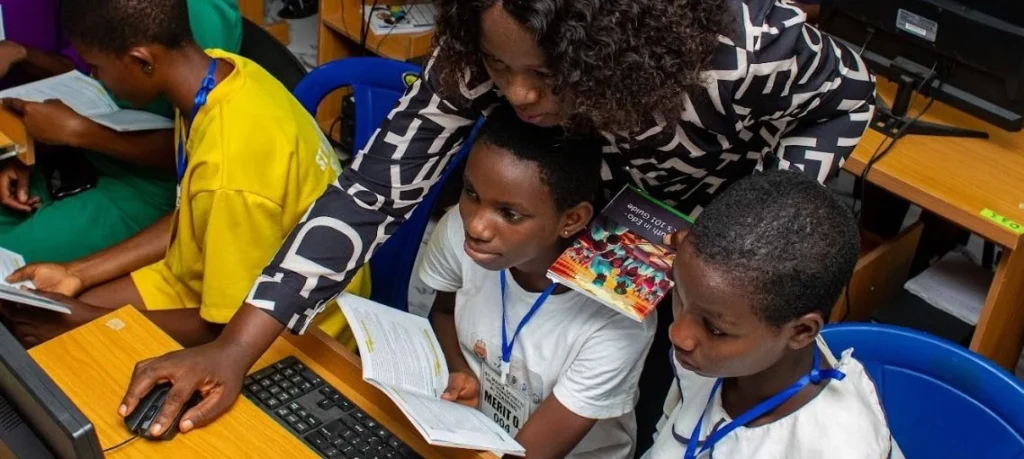
Second is access inequality. Many students do not have enough textbooks, updated learning materials, or personalised academic support. AI tools fill that gap instantly, offering explanations and answers within seconds. For many learners, it feels like a private tutor they never had.
Third is teacher workload. In many public schools, teachers handle large classrooms with limited support. Preparing lesson plans, marking scripts, and managing administrative tasks can be overwhelming. AI quietly becomes a helper in the background, even when schools have not officially adopted it.
There is also a deeper issue of digital awareness. While AI tools are being used widely, many students and educators still do not fully understand how these systems work, what data they collect, or where their information goes. This creates a situation where usage is high, but understanding is low. Experts have warned that this gap can turn students into passive users instead of informed digital thinkers.
In simple terms, AI is already inside the classroom, but without proper structure or guidance.
The Risks Hidden Inside Shadow AI Practices
While shadow AI offers convenience, it also introduces serious challenges that are often ignored in everyday conversations.
One major concern is academic integrity. When students rely on AI to complete assignments without understanding the content, learning becomes shallow. It creates a situation where grades may look good on paper, but actual knowledge is weak. Over time, this affects critical thinking and problem-solving skills.
Another issue is dependency. Students who constantly rely on AI may struggle to think independently. Instead of learning how to research, analyse, and write, they may depend on automated answers for everything. This weakens the core purpose of education.
Data privacy is another hidden risk. Many free AI tools collect user data, including writing patterns, topics of interest, and sometimes personal information. Without proper awareness, students may unknowingly expose themselves to data misuse.
Teachers are not exempt from risks either. When AI is used informally for lesson planning or grading, without training or oversight, it can lead to inconsistencies in teaching quality. It also raises questions about accountability, especially when errors occur.
There is also a broader concern about inequality. Students in urban areas with better internet access are more likely to use AI effectively compared to those in rural communities. This can widen the educational gap instead of closing it.
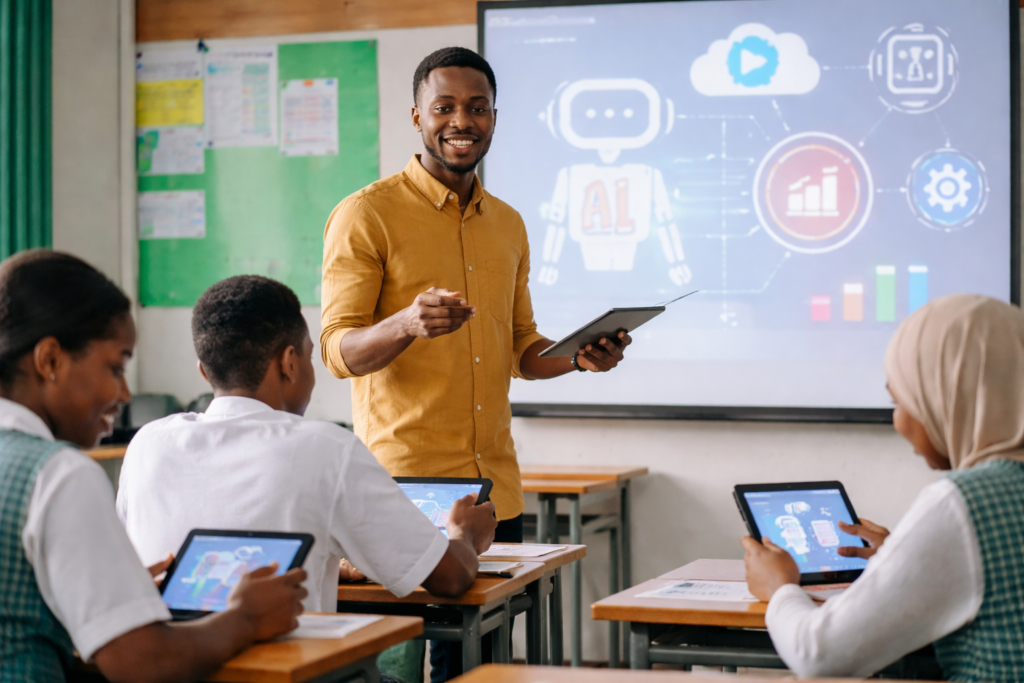
What Nigerian Schools Must Do Next to Manage Shadow AI
The reality is clear. Shadow AI is not going away. It is already part of how learning happens in Nigeria today. The real question is how schools, teachers, and policymakers respond to it.
The first step is awareness. Schools need to acknowledge that AI is already being used widely by students and teachers. Ignoring it will only make the problem harder to manage.
The second step is policy development. Educational institutions must introduce clear guidelines on how AI should be used for assignments, teaching, and assessments. This includes defining what is acceptable and what crosses the line into academic dishonesty.
According to UNESCO, teacher training is also critical. Many educators were never trained to work with AI tools. Providing professional development will help them understand how to integrate AI into teaching rather than fear or reject it. National initiatives in Nigeria are already moving in this direction, with efforts aimed at equipping millions of teachers with digital and AI skills.
Curriculum reform is equally important. Instead of treating AI as a hidden tool, it should be openly taught as part of digital literacy. Students should learn not just how to use AI, but how it works, its limitations, and how to question its outputs.
Finally, there must be a balance between innovation and responsibility. AI should support learning, not replace thinking. It should assist teachers, not undermine their role. It should enhance understanding, not reduce education to copy and paste shortcuts.
Nigeria stands at a turning point. Shadow AI has already entered the classroom quietly. What happens next depends on whether the education system chooses to guide it, regulate it, or ignore it.
If handled well, it could become one of the biggest educational boosts in the country’s modern history. If ignored, it could quietly reshape learning in ways that weaken critical thinking for an entire generation.
Join Our Social Media Channels:
WhatsApp: NaijaEyes
Facebook: NaijaEyes
Twitter: NaijaEyes
Instagram: NaijaEyes
TikTok: NaijaEyes