Relief for Lagosians: Food Prices Ease in April as Supply Chains Stabilize.
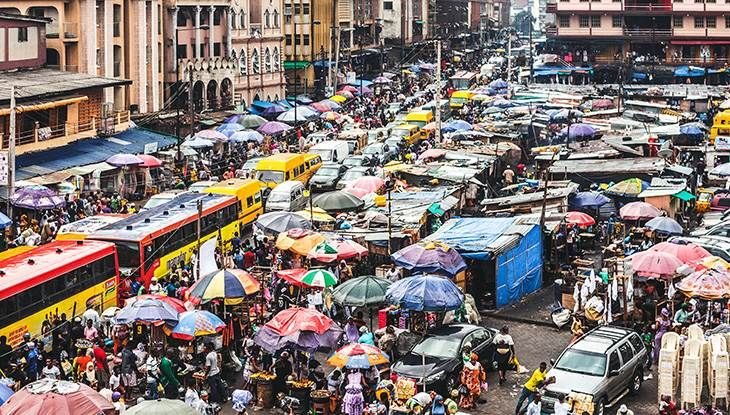
The relentless pressure on the pockets of Lagos residents finally showed signs of cooling this April. After a grueling March that saw food costs skyrocket, the latest market data reveals a welcome reversal.
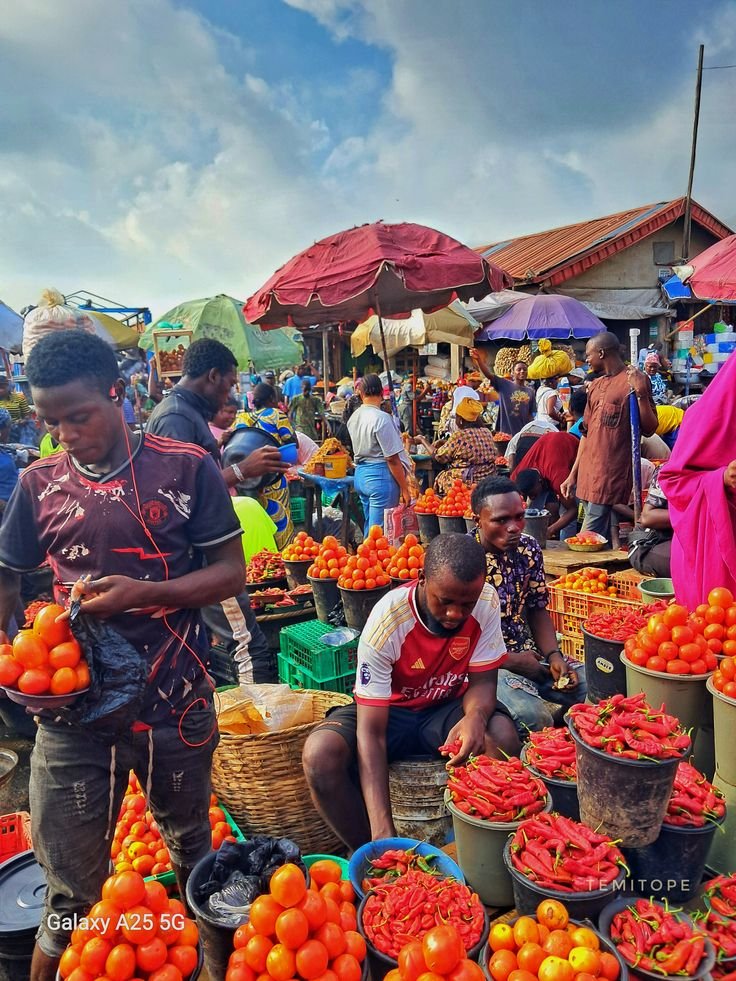
Families visiting major hubs like Mile 12 and Oyingbo are finding that staples are becoming more accessible. This shift isn’t just a stroke of luck; it is the result of better logistics and a significant drop in fuel prices that had previously choked the distribution network.
Why Prices Are Dropping Now
The primary driver behind this month’s relief is the improved flow of goods from the hinterlands into the city. In March, the cost of petrol surged to N1,320 per litre, causing transportation fees to balloon. However, this April saw pump prices moderate to around N1,245. This reduction immediately lowered the cost of moving food from farms to Lagos markets.
A market survey tracking over 60 essential items confirms this cooling trend across Mushin, Daleko, and Oyingbo. Logistics pressures, which acted as a bottleneck just weeks ago, have eased significantly. As trucks move more freely and at a lower cost, the savings are slowly being passed down to the final consumer.
Stability Returns to Staple Foods
For many households, the most visible changes are in the prices of grains and perishables. While some items remain high due to seasonal factors, the overall “basket” of goods has stabilized. Markets that were once characterized by frantic price hikes are now seeing more predictable daily rates.
This stabilization is a stark contrast to the Easter period, where many were forced to cut back on essential purchases. Traders at Mile 12 report that buyers are gradually regaining their purchasing power. Instead of buying in tiny portions, more residents are now able to plan their weekly meals with greater certainty.
A Look Toward the Future
While the current trend is positive, maintaining this stability depends heavily on external factors. Global energy market tensions and currency fluctuations still linger in the background as potential risks. Nevertheless, the improved supply of locally grown produce provides a much-needed buffer for the regional economy.
For now, Lagosians can breathe a sigh of relief as they navigate the aisles of their local markets. The goal moving forward will be to keep these logistics costs low to prevent another spike. If fuel prices remain steady and the supply chain stays open, the kitchen tables of Lagos will continue to see more affordable meals.
Join Our Social Media Channels:
WhatsApp: NaijaEyes
Facebook: NaijaEyes
Twitter: NaijaEyes
Instagram: NaijaEyes
TikTok: NaijaEyes