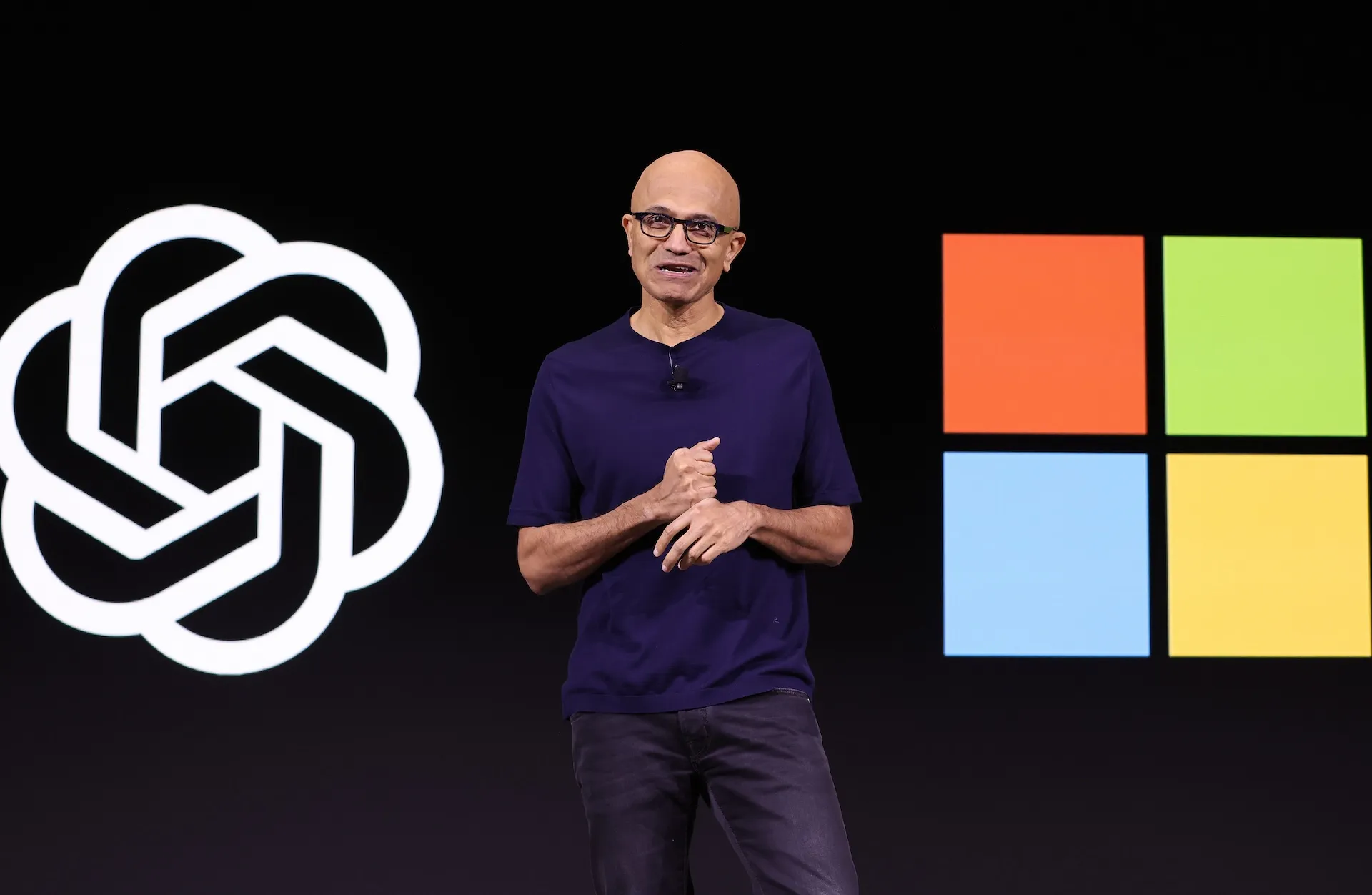

In a major shift that could redefine the global artificial intelligence landscape, Microsoft has agreed to end its exclusive licensing arrangement with OpenAI, opening the door for broader partnerships and intensifying competition across the cloud computing market.
The announcement, reported on April 27, 2026, marks a turning point in one of the most influential alliances in modern technology. For years, Microsoft enjoyed privileged access to OpenAI’s advanced models, powering products like ChatGPT integrations and enterprise AI tools. That exclusivity is now gone, and the implications are already rippling across the industry.
Strategic Shift Ends Microsoft OpenAI Exclusivity
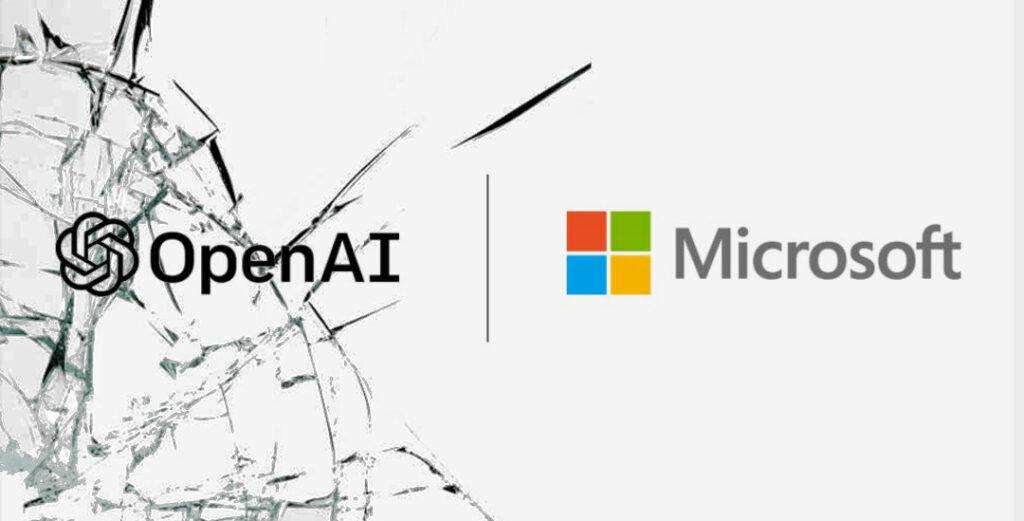
Under the revised agreement, Microsoft will no longer have exclusive rights to OpenAI’s artificial intelligence technology. This means OpenAI is now free to offer its models and services to other major cloud providers, including Amazon and Google.
While this may appear like a break-up, the reality is more nuanced. Microsoft remains OpenAI’s primary cloud partner and still holds licensing rights to its intellectual property until 2032. However, the relationship has been restructured to remove exclusivity and simplify financial arrangements between the two firms.
One key change is the removal of revenue-sharing obligations for OpenAI products hosted on Microsoft’s cloud. Additionally, future revenue-sharing caps will no longer depend on technical milestones such as achieving artificial general intelligence, a concept that had previously created uncertainty in the partnership.
This restructuring reflects a broader evolution in the relationship. What started as a tightly bound alliance is now transitioning into a more flexible partnership, allowing both companies to pursue independent strategies while still collaborating where it makes sense.
Why OpenAI Is Expanding Beyond Microsoft
For OpenAI, the decision is largely about scale and ambition. The company is rapidly growing and requires enormous computing resources to train and deploy increasingly complex AI models. Limiting itself to a single cloud provider was becoming a bottleneck.
By opening its technology to other platforms, OpenAI gains access to more infrastructure, more customers, and more revenue opportunities. Reports indicate that the company has already been exploring large-scale cloud deals, including a potential multibillion-dollar agreement with Amazon.
There have also been signs of tension in the partnership over the past year. Disagreements around cloud exclusivity and competitive positioning had begun to surface, especially as OpenAI sought to diversify its partnerships.
From a business perspective, this move strengthens OpenAI’s independence. It allows the company to operate more like a traditional tech provider rather than being closely tied to a single corporate backer. In today’s fast-moving AI race, that flexibility could prove decisive.
What Microsoft Gains Despite Losing Exclusivity
At first glance, Microsoft appears to be giving up a significant advantage. Its early investment in OpenAI helped position it as a leader in artificial intelligence, particularly through its Azure cloud platform and AI-powered products.
However, analysts suggest that the change may actually benefit Microsoft in the long run. By loosening the exclusivity arrangement, the company reduces its reliance on OpenAI while creating space to develop its own AI capabilities.
The restructuring may also ease regulatory pressure. Exclusive partnerships between dominant tech firms often attract scrutiny from antitrust authorities. By opening up access, Microsoft can present itself as supporting a more competitive ecosystem.
Importantly, Microsoft still retains several advantages. It remains OpenAI’s primary cloud partner, meaning many of OpenAI’s products will continue to launch first on Azure. It also holds long-term licensing rights, ensuring continued access to cutting-edge AI technology.
In essence, Microsoft is trading exclusivity for stability and strategic flexibility, a move that could position it better for the next phase of AI development.
Global AI Race Enters a New Phase
The end of Microsoft OpenAI exclusivity is not just about two companies. It signals a broader shift in how the AI industry is evolving.
By allowing OpenAI to work with multiple cloud providers, the competitive landscape becomes more open and dynamic. Companies like Amazon and Google can now integrate OpenAI’s models into their own ecosystems, intensifying the race to dominate AI services.
For businesses and developers, this could lead to more options, better pricing, and faster innovation. Instead of being tied to a single platform, organisations will have greater freedom to choose where and how they deploy AI solutions.
At the same time, the move underscores how critical infrastructure has become in the AI era. Access to computing power is now as important as the technology itself, and partnerships are increasingly shaped by capacity and scalability rather than exclusivity.
This shift also reflects a maturing industry. In the early stages of AI development, tight partnerships helped companies move quickly and reduce risk. Now, as the market expands, flexibility and interoperability are becoming more valuable.
Implications for Nigeria and Emerging Markets
For countries like Nigeria, this development could have meaningful implications. A more open AI ecosystem means greater access to advanced tools across different cloud platforms, potentially lowering barriers for startups, developers, and businesses.
With multiple providers offering OpenAI technology, local organisations may benefit from competitive pricing and improved availability of services. This could accelerate digital transformation in sectors such as education, finance, healthcare, and media.
Nigeria’s growing tech ecosystem stands to gain from increased access to global AI infrastructure. As companies adopt these tools, there could be a ripple effect in job creation, innovation, and economic growth.
However, it also raises important questions about data governance, digital sovereignty, and the role of local infrastructure. As global tech giants expand their reach, policymakers will need to ensure that the benefits of AI are balanced with national interests.
A Redefined Partnership, Not a Breakup
Despite headlines suggesting a split, the relationship between Microsoft and OpenAI remains strong. The new agreement is better understood as a recalibration rather than a separation.
Both companies are adapting to the realities of a rapidly evolving market. OpenAI is positioning itself for broader reach and independence, while Microsoft is securing long-term access to technology without the constraints of exclusivity.
This kind of evolution is common in the tech industry, where partnerships often shift as companies grow and priorities change. What matters is not whether exclusivity exists, but whether both sides can continue to create value.
In this case, the answer appears to be yes. The revised deal allows both firms to pursue their goals while maintaining a collaborative foundation.
Conclusion
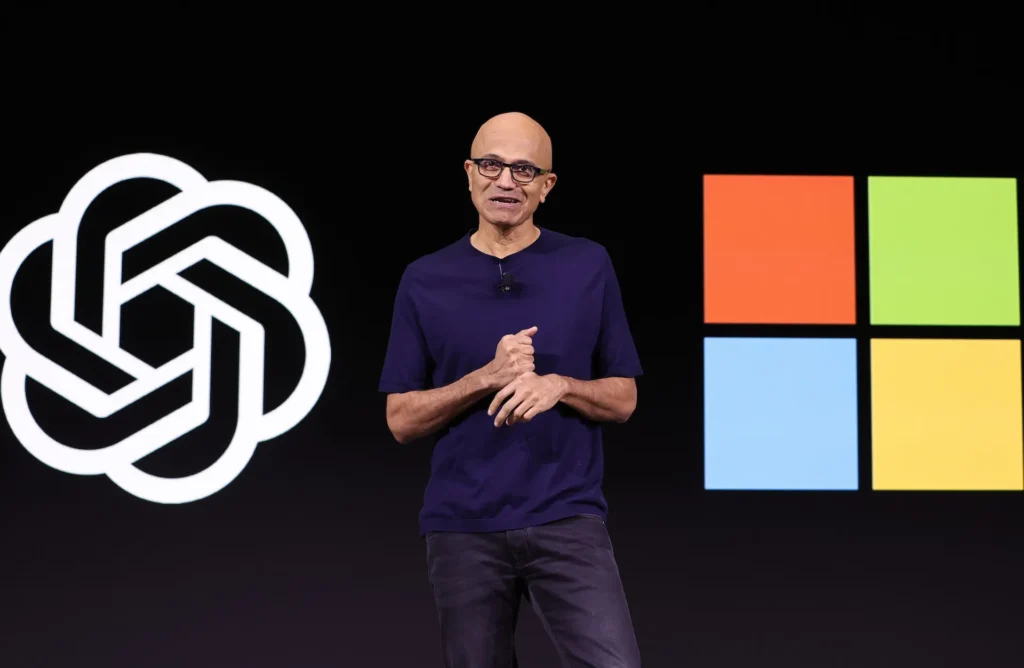
The decision to end Microsoft OpenAI exclusivity marks a defining moment in the artificial intelligence era. It reflects the growing complexity of the industry and the need for more flexible, scalable partnerships.
For OpenAI, it is a step towards independence and expansion. For Microsoft, it is an opportunity to diversify and strengthen its long-term strategy. For the global market, it signals a more competitive and open AI ecosystem.
As the dust settles, one thing is clear: the race for AI dominance is entering a new phase, and no single company will control it alone.