Nigeria’s telecommunications regulator has raised the stakes for operators, calling for fresh capital injection to support a sweeping upgrade of network infrastructure across the country, as demand for data continues to surge beyond existing capacity.
The Nigerian Communications Commission has made it clear that while progress has been recorded in recent months, the pace of investment must accelerate significantly if operators are to meet rising consumer expectations and close persistent service quality gaps.
Speaking during a media engagement in Lagos, the Executive Vice Chairman of the NCC, Aminu Maida, stressed that ongoing improvements in network performance remain insufficient compared to the rapid growth in data consumption nationwide.

Rising demand puts pressure on Nigeria’s telecom networks
Nigeria’s telecom sector is facing a structural challenge driven by explosive growth in mobile data usage, increased smartphone penetration, and expanding digital services. These factors have combined to stretch network infrastructure to its limits, particularly in densely populated urban centres.
According to the NCC, operators have made notable investments in recent years, but the scale of demand continues to outpace supply. The regulator noted that even with visible improvements in service delivery, network congestion, dropped calls, and slow internet speeds remain common complaints among subscribers.
The situation reflects a broader shift in Nigeria’s digital economy, where connectivity has become essential for banking, education, entertainment, and business operations. As more Nigerians rely on online platforms daily, the pressure on telecom infrastructure has intensified.
Industry data indicates that telecom companies are already in a heavy investment cycle. For instance, leading operators such as MTN Nigeria have committed significant resources, with capital expenditure running into hundreds of billions of naira to expand 4G coverage, strengthen fibre networks, and upgrade core systems.
However, regulators believe that current spending levels are still not enough to meet future demand, especially as Nigeria prepares for wider 5G adoption and deeper digital integration across sectors.
NCC shifts from monitoring to the enforcement of investment
In a notable change in regulatory approach, the NCC is no longer limiting its role to monitoring quality of service metrics. Instead, it is now actively pushing telecom operators to increase capital expenditure and deliver measurable improvements in network performance.
This shift signals a new phase in Nigeria’s telecom regulation, moving beyond liberalisation and competition towards a more interventionist stance focused on infrastructure development.
Maida emphasised that operators must continue to bring in fresh capital, noting that incremental upgrades will no longer be sufficient. The commission is increasingly focused on ensuring that investment translates directly into better user experience for millions of subscribers.
The regulator’s position aligns with broader industry trends. Reports suggest that telecom firms may be required to commit over one billion dollars in additional investments, alongside stricter compliance with quality of service standards and possible compensation for customers affected by poor service.
This tougher stance underscores the urgency of addressing long-standing infrastructure gaps that have hindered optimal service delivery across the country.
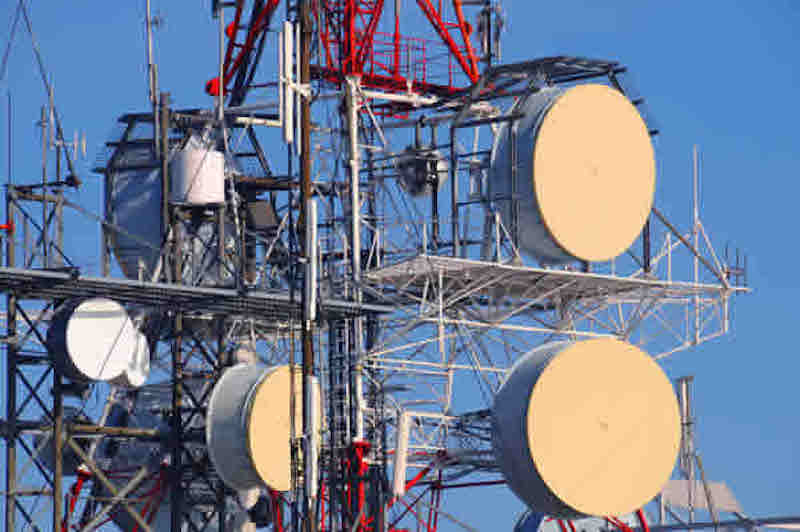
Telcos ramp up spending amid infrastructure gap
Despite regulatory pressure, telecom operators have already begun ramping up investment in network infrastructure, signalling recognition of the challenges ahead.
Recent figures show that the industry has entered a capital-intensive phase, with billions of naira being channelled into network expansion, site upgrades, and technology deployment. In 2025 alone, operators collectively invested over one billion dollars, resulting in the rollout of thousands of new network sites nationwide.
Looking ahead, the NCC has disclosed plans for the upgrade of about 12,000 base stations in 2026, a move expected to significantly improve coverage, capacity, and overall service quality.
These upgrades are expected to address key pain points such as network congestion in cities, poor connectivity in rural areas, and limited broadband penetration in underserved communities.
Major operators, including MTN Nigeria, Airtel Nigeria, and Globacom, are at the forefront of this investment drive. Their strategies include expanding 4G networks, preparing for broader 5G rollout, and strengthening fibre backhaul systems to support higher data traffic.
However, challenges remain. High operational costs, foreign exchange pressures, and infrastructure deficits continue to affect the pace and scale of investment. This has made regulatory support and policy clarity critical to sustaining momentum in the sector.

What the fresh capital push means for Nigerians
For consumers, the NCC’s demand for fresh capital could mark a turning point in the quality of telecom services across Nigeria.
If effectively implemented, increased investment is expected to deliver faster internet speeds, improved call quality, reduced network downtime, and wider coverage, particularly in rural and underserved areas.
It could also support the growth of Nigeria’s digital economy, enabling innovations in fintech, e-commerce, e-learning, and other technology-driven sectors that depend heavily on reliable connectivity.
At the same time, the push for additional investment raises questions about cost implications for operators and, potentially, for consumers. Telecom companies have previously argued that higher tariffs are necessary to sustain infrastructure development, especially in an environment of rising costs.
Nevertheless, the NCC appears focused on balancing industry sustainability with consumer protection. The regulator has indicated that it will continue to monitor performance closely and ensure that investments lead to tangible improvements in service delivery.
Ultimately, the call for fresh capital highlights a critical moment for Nigeria’s telecom industry. As demand continues to grow, the ability of operators to scale infrastructure effectively will determine not only service quality but also the country’s broader digital future.
With regulatory pressure mounting and investment commitments rising, the coming months are likely to define the next phase of growth in one of Nigeria’s most important sectors.
Join Our Social Media Channels:
WhatsApp: NaijaEyes
Facebook: NaijaEyes
Twitter: NaijaEyes
Instagram: NaijaEyes
TikTok: NaijaEyes