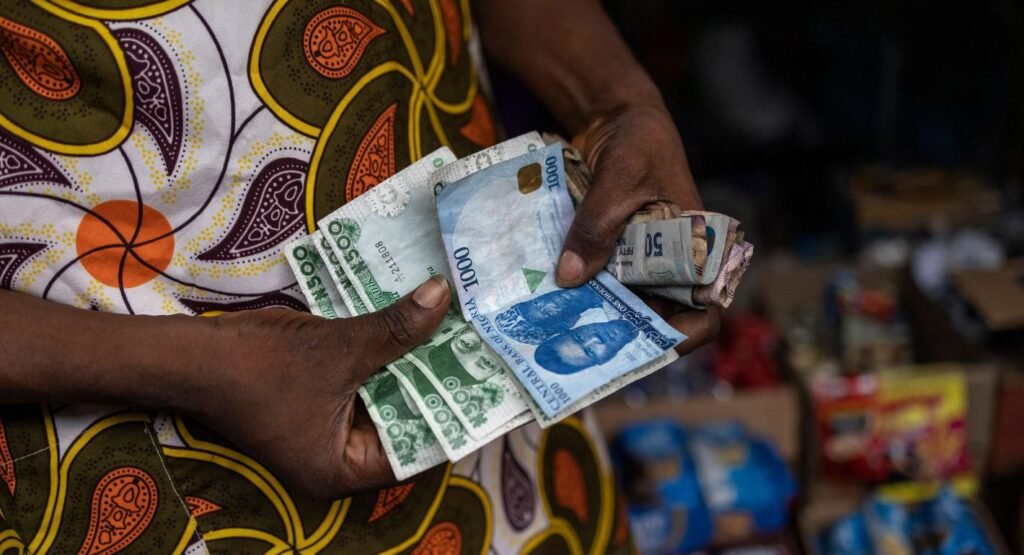
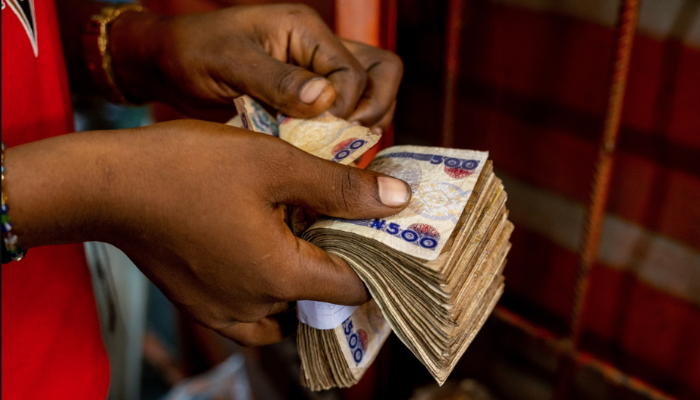
In a country celebrated as Africa’s fintech capital, many Nigerian small businesses are still holding tightly to cash. Across markets in Lagos, roadside shops in Abuja, tailoring stores in Aba, and food stalls in Port Harcourt, physical naira notes remain the preferred method of payment for thousands of small and medium-sized enterprises despite the rapid rise of banking apps, POS systems, and digital wallets.
On paper, Nigeria’s digital finance sector appears unstoppable. Fintech startups continue to attract investment, banks are expanding mobile services, and millions of Nigerians now transfer money daily through apps. Yet beneath the impressive numbers lies a different reality. For many SME owners, cash still feels safer, faster, easier, and more dependable than digital platforms.
That trust gap is shaping how business is done in 2026.
Recent industry reports show that cash usage in Nigeria remains extremely high even as electronic payments continue to grow. Data cited by banking stakeholders revealed that over 94 percent of cash in circulation remained outside the banking system in 2025, highlighting how deeply cash remains embedded in daily commercial activities.
For small business owners, the reasons are practical rather than ideological. Many say digital systems still fail too often at critical moments. Transfers get delayed, network issues interrupt transactions, apps freeze during peak business hours, and failed reversals sometimes take days to resolve. In a difficult economic climate where many SMEs survive on daily cash flow, a delayed payment can disrupt an entire day’s operations.
Several traders interviewed across Nigerian cities say they cannot afford uncertainty. A food vendor waiting hours for a transfer alert may lose customers. A transport operator without cash risks arguments with passengers. A market trader who depends on quick inventory turnover cannot always wait for banking systems to stabilise before restocking goods.
For this reason, many business owners now operate hybrid systems. They accept transfers when convenient but still insist on cash as backup. Some openly prefer cash payments altogether, especially for smaller purchases.
Analysts say this reflects a wider issue within Nigeria’s digital economy. Many financial tools entering the market are designed around assumptions that do not fully match how Nigerian SMEs actually operate. A recent industry analysis noted that most software and digital finance products assume stable internet access, steady electricity supply, formal bookkeeping practices, and structured office environments. However, a large percentage of Nigerian SMEs are informal, mobile-first businesses that rely heavily on WhatsApp communication, daily cash turnover, and flexible record keeping.
Trust also remains a major concern.
Although fintech adoption has expanded rapidly among younger Nigerians, surveys show many people still trust traditional banking and physical cash more than digital-only platforms when it comes to handling money.
For some SMEs, past experiences have reinforced caution. Stories of failed transfers, fraudulent alerts, hacked accounts, and unreliable customer service continue to circulate widely among traders and artisans. Even when such incidents affect only a minority of users, they shape public perception strongly.
Business owners also complain about rising transaction charges linked to electronic payments. Under Nigeria’s evolving tax and transfer levy system, many traders say customers increasingly complain about charges attached to digital transfers. Some merchants now encourage customers to pay cash to avoid additional costs tied to electronic transactions.

Inflation and economic pressure are adding to the problem.
Nigeria’s current economic conditions have forced many SMEs into survival mode. Business owners are dealing with higher transportation costs, rising energy expenses, weaker consumer spending, and unstable operating conditions. In that environment, speed and certainty matter more than convenience branding.
Cash offers immediate confirmation. There are no pending alerts, failed sessions, or disputed transfers. Once payment is received physically, business continues.
In many informal markets, this simplicity still outweighs the promise of digital innovation.
Even in urban centres where banking apps are common, daily life still depends heavily on cash transactions. Transport systems, roadside food vendors, open-air markets, and neighbourhood services often operate outside formal digital payment structures. Many Nigerians who actively use banking apps still carry cash because certain parts of the economy remain difficult to navigate without it. Discussions among Nigerians online frequently reflect this mixed reality, where people use transfers for some activities while relying on cash for transportation, informal purchases, and quick street transactions.
Experts believe infrastructure gaps remain one of the biggest obstacles preventing full digital adoption among SMEs.
Poor electricity supply continues to affect POS terminals, internet routers, and phone charging. Mobile network instability also creates unpredictable transaction failures. In some rural or semi-urban areas, digital payment systems remain unreliable for long stretches during the day.
Cybersecurity concerns add another layer of hesitation. Researchers studying mobile banking systems in West Africa have repeatedly warned that weaknesses in app security can expose users to fraud risks and financial losses.
For SMEs already operating on thin profit margins, even one failed transaction or security breach can damage confidence permanently.
Still, despite the dominance of cash, Nigeria’s digital finance ecosystem continues to expand aggressively. Payment companies, fintech firms, and banks are investing heavily in merchant services, agency banking, embedded finance, and mobile-first tools designed specifically for small businesses. Industry analysts say Nigeria remains one of Africa’s strongest fintech markets because of its young population, growing smartphone penetration, and massive informal economy.
The challenge now is no longer simply getting SMEs online. It is convincing them that digital systems can consistently solve real business problems without creating new ones.
That shift may require fintech companies to rethink how they design products for local realities.
Rather than focusing only on flashy interfaces or expansion statistics, analysts say fintech providers must prioritise reliability, speed, low-cost transactions, offline functionality, and stronger customer support. Small businesses want systems that work during network outages, process payments instantly, and reduce operational stress instead of increasing it.
Some payment providers are already adapting. Many now offer simplified merchant tools built around WhatsApp communication, lightweight accounting systems, and faster settlement structures designed for informal traders.
There are also signs that younger entrepreneurs are gradually becoming more comfortable with digital finance. New business owners who grew up using smartphones and mobile banking apps are more willing to experiment with digital operations. Many already use transfers for supplier payments, online sales, payroll, and customer transactions.
However, even among younger SMEs, cash remains an important fallback option.
That dual dependence may define Nigeria’s financial culture for years to come. Rather than fully replacing cash, digital finance may continue evolving alongside it.
Back Story
Nigeria’s complicated relationship with cash and digital payments became especially visible during the naira redesign and cash shortage crisis of 2023. During that period, millions of Nigerians struggled to access physical cash while digital banking systems experienced severe pressure from increased transaction volumes.
Many businesses suffered major losses as transfer failures became widespread and payment reversals slowed dramatically. Although the crisis accelerated awareness of digital banking, it also exposed the weaknesses of Nigeria’s payment infrastructure.
Since then, fintech growth has accelerated, but public confidence has recovered unevenly. For many SMEs, the experience reinforced the belief that relying entirely on digital payments remains risky.
Today, in 2026, Nigeria’s financial landscape reflects both progress and caution. Banking apps have become part of daily life, yet physical cash continues to dominate large sections of the economy because it still delivers something many SMEs value most: certainty.
Join Our Social Media Channels:
WhatsApp: NaijaEyes
Facebook: NaijaEyes
Twitter: NaijaEyes
Instagram: NaijaEyes
TikTok: NaijaEyes