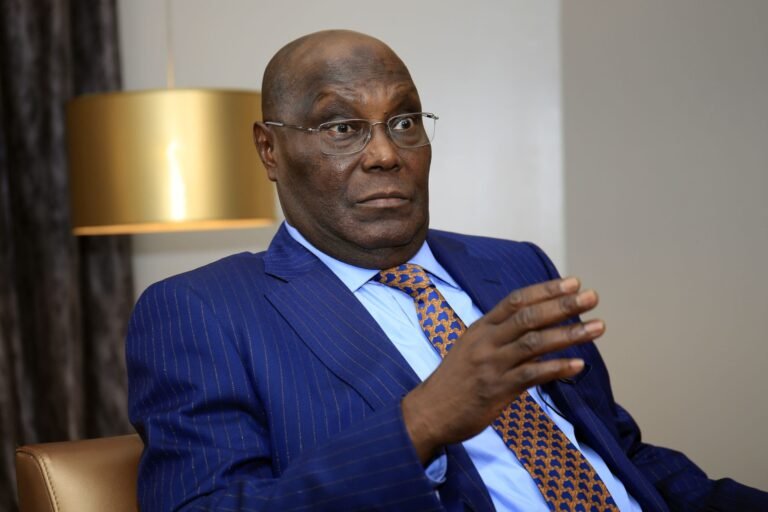

Atiku Abubakar, the ADC presidential candidate, has defended his proposal to reintroduce fuel subsidy, insisting that his plan is fundamentally different from the old subsidy regime that encouraged dependence on imported petrol.
In a statement posted on his official X account, Atiku explained that his proposed production subsidy would support locally refined crude, reduce the cost of fuel production, and ultimately make petrol and other essential goods more affordable for Nigerians.
To drive home his point, the former vice president used the example of footwear production to explain the difference between his plan and the previous subsidy system.
“I am not restoring subsidy so that Nigeria can keep paying for imported petrol. I am restoring subsidy so that Nigerians can produce more at home, pay less for fuel, and keep more money in their pockets,” he said.
He added that rather than spending public funds to make imported products cheaper, the government should instead support local producers to reduce their production costs.
“Think about shoes. If the government wants Nigerians to buy shoes more cheaply, it can spend public money making imported shoes cheaper, or it can support shoemakers in Aba to reduce their production costs so they can make more shoes here, employ more Nigerians, and sell at more affordable prices. I choose the Aba shoemaker,” Atiku stated.
The ADC candidate was responding to an X user, Francis, with the handle @FrancisAdeboye, who had commented on his subsidy plan, saying, “Took time to read and digest Atiku’s subsidy plan,” before adding that subsidy should be restored, “but only as a production subsidy, not an import subsidy, i.e., subsidize Nigerian production, not foreign importation.”
According to Atiku, the proposed policy would extend beyond reducing petrol prices, as cheaper locally produced fuel would help lower transportation costs, food prices, and the operating expenses of small businesses across the country.
He said his ultimate objective was to ensure that Nigerians retain more disposable income after meeting their daily expenses.
“I want the bus fare you pay every morning to come down. I want the cost of taking food from the farm to the market to come down. I want the trader to spend less. I want the barber, tailor, welder, and small business owner to spend less on energy,” he said.
Atiku maintained that the true measure of affordability should be how much money households and businesses are able to retain after paying for fuel, transport, and other necessities.
“Less money spent on fuel. Less money spent on transport. Less pressure on food prices. More money left for your family,” he added.
He concluded by promising that his proposed economic policies would be geared toward easing financial pressure on households and businesses across Nigeria.
“I will make life affordable again. I will make Nigeria affordable again. It is a promise,” Atiku said.
Behind The Debate: Nigeria’s Long History With Fuel Subsidy
Fuel subsidy has remained one of the most contentious economic issues in Nigeria for decades, with successive governments grappling with its financial burden on public finances versus its role in cushioning the cost of living for ordinary citizens.
The removal of fuel subsidies by the current administration in 2023 triggered a sharp rise in transportation and commodity prices nationwide, sparking widespread hardship and public backlash across the country.
Atiku’s proposal appears to be an attempt to reframe the subsidy conversation ahead of the next general election, positioning it not as a return to the old import-dependent model but as an economic strategy to boost local production and reduce Nigeria’s reliance on foreign refined petroleum products.
READ ALSO: FG Rewards D’Tigress With $100,000 Each After Record Fifth AfroBasket Title