Bracing for Impact: FMDA Forecasts a Rise in April Inflation to 16.42%
Nigeria’s financial landscape is facing another test as we move deeper into the second quarter of 2026. The Financial Markets Dealers Association (FMDA) has released its latest projections, and the numbers tell a story of persistent pressure.
According to their research, headline inflation for April is expected to climb to 16.42%. This forecast comes just ahead of the official data release from the National Bureau of Statistics (NBS). For many Nigerians, this is more than just a percentage; it is a signal that the cost of living remains on a steady upward trajectory.
Understanding the Driver of the Hike
Why is inflation continuing to rise despite various interventions? The FMDA points toward a combination of internal and external factors.
One major culprit is the “base effect” from the previous year. Because we are comparing current prices against a relatively lower baseline from 2025, the year-on-year increase looks more dramatic. However, beyond the math, the reality on the ground is driven by energy costs.
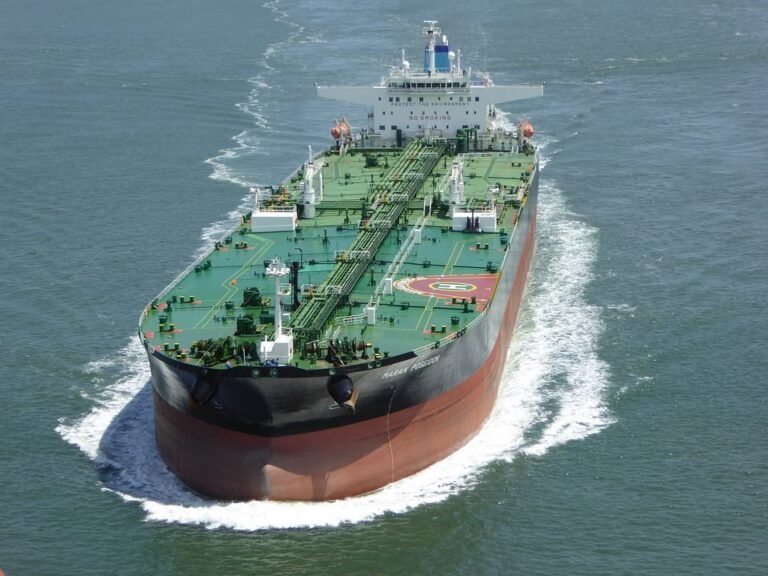
The recent energy shocks have trickled down into every sector. When the price of fuel or electricity rises, it doesn’t just affect transportation; it affects the cost of moving food from farms to the city. While the Naira has shown some resilience recently, the lag time between currency stability and price reduction is often long.
Businesses are still adjusting their pricing models to cover higher operational costs, and this “repricing” is what we see reflected in the 16.42% forecast.
The Impact on the Average Household
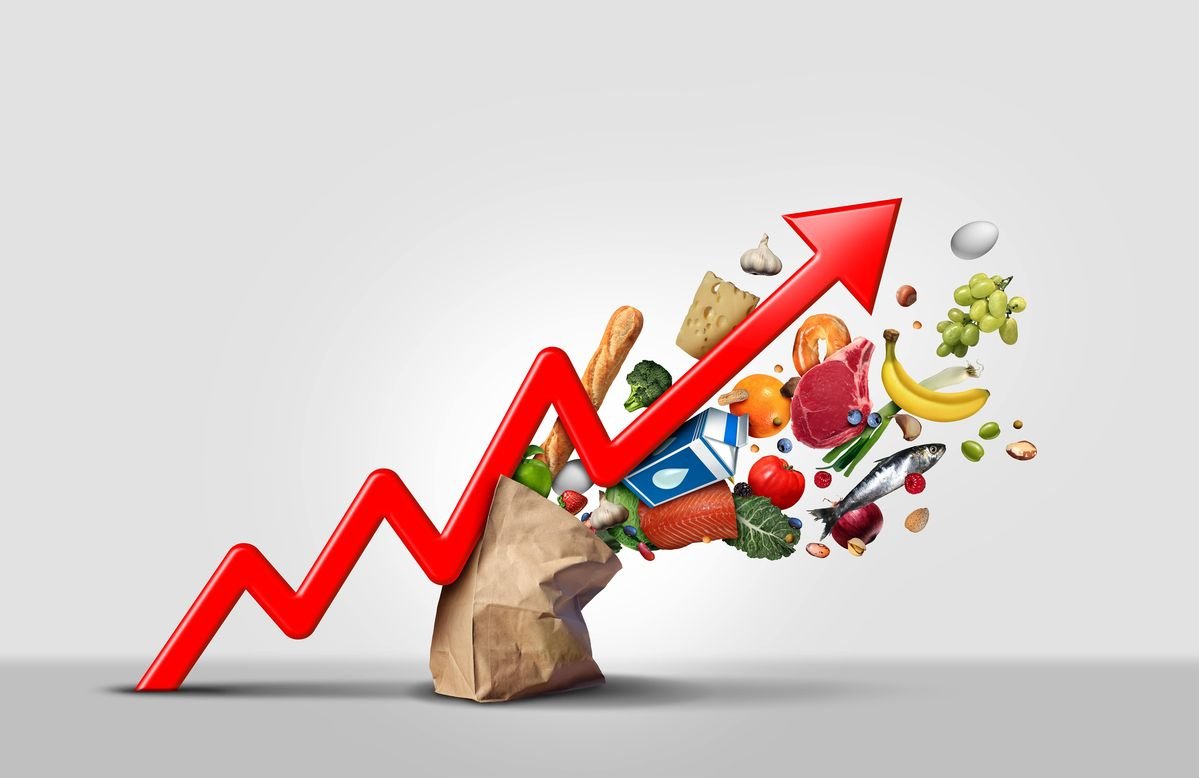
For the average family, a 16.42% inflation rate means that every Naira in their pocket is working harder but buying less. Food inflation remains the most sensitive area for most households.
We are seeing steady increases in the prices of staples like grains, tubers, and proteins. Even as global oil prices fluctuate, the domestic cost of logistics remains high, keeping the pressure on the market stalls.
The FMDA’s report serves as a wake-up call for both consumers and policymakers. It suggests that the peak of this inflationary cycle might not be behind us just yet.
Families are being forced to make difficult choices, prioritizing essentials and cutting back on non-discretionary spending. In this climate, financial planning becomes a tool for survival. Navigating these price hikes requires a level of resilience that Nigerians have unfortunately had to master over the last few years.
Looking Ahead to the Central Bank’s Move
All eyes are now on the next Monetary Policy Committee (MPC) meeting. The Central Bank of Nigeria (CBN) uses these inflation forecasts as a primary guide for setting interest rates.
If inflation continues to track toward the 16.42% mark, the committee may feel pressured to maintain its hawkish stance. This could mean keeping interest rates high to mop up excess liquidity and stabilize the currency.
While high interest rates make borrowing more expensive for businesses, they are often seen as a necessary “bitter pill” to curb runaway inflation. As we wait for the official NBS figures, the FMDA’s projection provides a sobering roadmap for the month ahead.
The hope is that as structural reforms take hold and local production improves, we will eventually see these numbers begin to cool. Until then, the focus remains on resilience and navigating a complex economic tide.
FMDA Nigeria inflation forecast April 2026.
Join Our Social Media Channels: