Telecommunications operators across Africa are shifting strategy in a way that could redefine digital inclusion on the continent. Rather than focusing mainly on expanding network infrastructure, industry leaders are now placing device affordability at the centre of their growth agenda, arguing that millions remain offline not because networks are unavailable, but because smartphones are still out of reach.
At a recent industry gathering in Morocco, executives, policymakers, and regulators made a strong case for device financing as the most practical path to bringing the next 500 million Africans online. The message was clear. Without affordable internet-enabled devices, even the most advanced broadband networks will remain underutilised.
Device affordability is now the real barrier to internet access
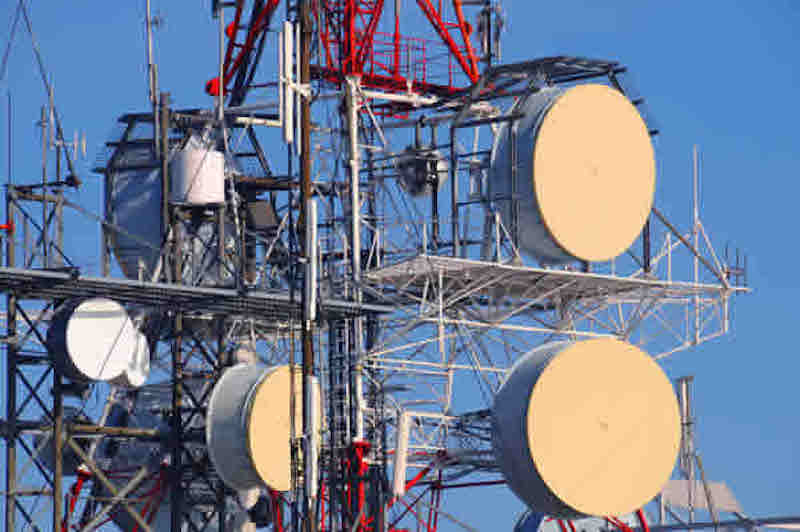
For years, the dominant narrative in Africa’s telecom sector revolved around infrastructure gaps. Governments and private investors poured billions into building mobile broadband networks, expanding 3G, 4G and in some cases 5G coverage across urban and rural communities. That effort has delivered measurable results, with internet usage rising steadily across the continent.
Yet, a new reality is emerging. Africa already has more than 550 million internet users, with major markets such as Nigeria, Egypt and South Africa accounting for a significant share of that figure. What is now slowing further growth is not coverage, but access to devices.
Industry leaders say the cost of smartphones relative to average income remains too high for many households. In practical terms, this means millions of people live within reach of mobile broadband signals but cannot connect because they do not own suitable devices.
One telecom executive at the event captured the dilemma bluntly, noting that building infrastructure without ensuring access is like investing in roads without vehicles. The value of the network depends entirely on whether people can actually use it.
This shift in thinking marks a turning point. It signals that Africa’s digital divide is no longer just a supply problem, but increasingly a demand-side challenge tied to affordability and inclusion.
Telcos rethink growth strategy beyond network expansion
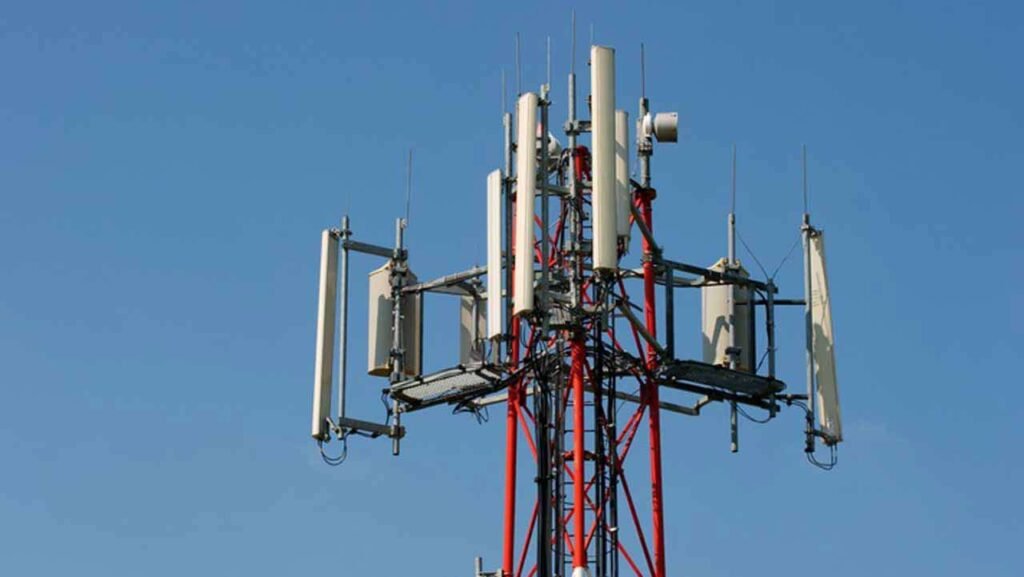
Faced with this reality, telecom operators are reevaluating how they allocate investment. Instead of committing the bulk of their budgets to network expansion alone, many are now considering device financing schemes as a critical complement to infrastructure.
The logic is straightforward. A smartphone is the gateway to the digital economy. Without it, consumers cannot access mobile banking, e-commerce, online education or digital health services. In essence, the device is the foundation upon which all digital services depend.
Executives argue that every dollar spent on improving device access has a multiplier effect. When more people own smartphones, data consumption rises, new services gain traction, and operators can generate sustainable revenue from a broader user base.
This approach also aligns with changing market dynamics. In many urban centres, network coverage has already reached saturation. Growth opportunities now lie in converting offline populations into active internet users, particularly in low-income and rural communities.
Device financing is emerging as a practical tool to achieve this. By spreading the cost of smartphones over time, operators can lower the entry barrier for millions of potential users. Instead of paying a large upfront amount, customers can access devices through instalment plans or bundled service contracts.
For telecom companies, this is not just about social impact. It is a strategic move to unlock new markets and drive long-term growth.
Financing models gain traction as a pathway to digital inclusion
Across Africa, different models of device financing are beginning to take shape. Some operators are partnering with financial institutions to offer credit-based purchase options, while others are integrating device payments into mobile data plans.
In several markets, pay-as-you-go models are gaining popularity. These allow users to pay small amounts over time, often linked to their mobile usage patterns. In some cases, devices can even be remotely restricted if payments are missed, reducing risk for providers.
Industry experts believe such innovations could dramatically accelerate smartphone adoption, particularly among low-income earners. By aligning payment structures with income realities, financing schemes enable more people to participate in the digital economy.
However, stakeholders caution that device financing alone will not solve the problem. It must be supported by broader efforts to reduce the overall cost of connectivity, including data pricing and service affordability.
There is also the question of trust. For financing models to succeed, consumers must have confidence in the terms and conditions, while operators must ensure transparency in pricing and repayment structures.
Despite these challenges, momentum is building. The consensus among industry leaders is that financing will play a central role in bridging Africa’s digital gap over the coming decade.

Policy reforms and investor confidence remain critical
While telecom operators are driving innovation on the commercial side, regulators have a crucial role to play in creating an enabling environment. Industry stakeholders emphasise that stable and predictable policies are essential to attract long-term investment.
Regulators are being urged to streamline licensing processes, maintain transparent spectrum pricing and ensure consistency in policy implementation. These factors, experts say, can significantly influence investor confidence and the willingness of companies to commit resources to new initiatives.
There is also a need for collaboration between governments, telecom operators and financial institutions. Expanding device financing at scale will require coordinated efforts, including supportive regulations, risk-sharing mechanisms and consumer protection frameworks.
Importantly, policymakers must recognise that digital inclusion goes beyond connectivity. It involves ensuring that people can afford devices, access relevant content and develop the skills needed to participate in the digital economy.
As Africa looks to connect its next wave of internet users, the focus is clearly shifting. Infrastructure remains important, but it is no longer enough on its own. The future of connectivity will depend on how effectively the continent can address the affordability challenge at the consumer level.
In many ways, the conversation has come full circle. After years of building networks, the spotlight is now on the individual user. The question is no longer whether the network exists, but whether people can afford to join it.
If telecom operators and policymakers get this balance right, the impact could be transformative. Millions of new users would gain access to information, services and opportunities that were previously out of reach. For Africa, that would not just mean more internet connections, but a significant step towards inclusive economic growth and digital empowerment.
Join Our Social Media Channels:
WhatsApp: NaijaEyes
Facebook: NaijaEyes
Twitter: NaijaEyes
Instagram: NaijaEyes
TikTok: NaijaEyes