Nigeria is taking a decisive step to confront the growing threat of fraud linked to mobile phone numbers, as the Central Bank of Nigeria and the Nigerian Communications Commission deepen collaboration to secure the country’s financial and telecoms systems.
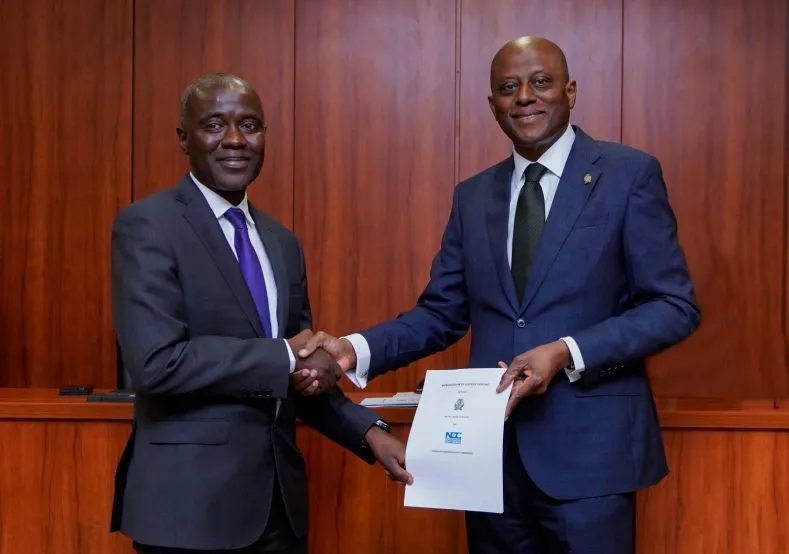
The two regulators have formalised their partnership through a new memorandum of understanding, a move that signals a more coordinated approach to tackling electronic fraud, protecting consumers and strengthening confidence in digital transactions.

A coordinated response to rising SIM-related fraud
At the heart of the agreement is a shared recognition that fraudsters are increasingly exploiting mobile phone numbers as entry points into financial systems. With Nigeria’s rapid shift towards digital payments, vulnerabilities tied to SIM swaps, recycled numbers and identity theft have become more pronounced.
The Central Bank Governor, Olayemi Cardoso, described the agreement as more than routine bureaucracy, noting that it reflects a broader national priority to safeguard financial stability. He emphasised that the partnership would strengthen the integrity of the payment ecosystem while encouraging innovation that does not compromise consumer safety.
For the Nigerian Communications Commission, the collaboration is equally critical. Its leadership has stressed that closer alignment between telecoms and financial regulators is no longer optional but essential in an era where both sectors are deeply interconnected.
The agreement focuses on improving coordination in areas such as regulatory approvals, technical standards and the testing of new financial technologies. This includes the use of regulatory sandboxes, which allow innovations to be tested in controlled environments before full deployment.
Real-time verification and data sharing to block fraud
One of the most significant features of the new framework is the introduction of a shared platform that enables real-time verification of mobile numbers used in financial transactions.
This system will allow banks, fintech firms and other financial institutions to instantly confirm the status of a phone number. They can check whether a number has been recently swapped, recycled or flagged for suspicious activity, helping to stop fraudulent transactions before they are completed.
The implications are far-reaching. SIM swap fraud, where criminals take control of a victim’s phone number to access banking services, has become one of the most common forms of financial crime in Nigeria. By providing real-time visibility into the lifecycle of a phone number, the new platform adds an extra layer of security across the ecosystem.
Recent developments suggest that the initiative is already evolving. A supporting portal has been introduced to track suspicious phone lines nationwide, giving institutions the tools to identify and block fraudulent activity more effectively.
Importantly, regulators insist that the system will operate within strict data protection frameworks. Encryption, user consent and compliance with privacy laws are expected to guide how information is accessed and shared, addressing concerns about misuse of personal data.

Consumer protection takes centre stage
Beyond fraud prevention, the agreement places strong emphasis on improving the everyday experience of Nigerian consumers who rely on digital services.
One recurring issue has been failed airtime and data transactions, where users are debited but do not receive the service paid for. Under the new framework, regulators aim to streamline resolution processes and ensure that such complaints are handled more efficiently.
There are also ongoing efforts to introduce faster refund mechanisms, including proposals for near-instant reversals in cases of failed transactions. These measures are expected to reduce frustration among users and build trust in digital platforms.
The broader objective is to create a system where consumers feel protected, not exposed, when they engage with digital financial services. By addressing both fraud and service delivery gaps, the regulators are attempting to tackle the issue from multiple angles.
Building a stronger digital economy through collaboration
The partnership between the Central Bank and the telecoms regulator did not emerge overnight. It builds on years of evolving cooperation between both institutions, which have gradually aligned their policies to support mobile payments and digital inclusion.
Earlier collaborations have addressed issues such as mobile money licensing and disputes around USSD charges, laying the groundwork for deeper integration between the two sectors.
What makes the current agreement different is its focus on proactive risk management. Instead of reacting to fraud after it occurs, the new approach aims to prevent it by sharing intelligence, improving visibility and strengthening operational readiness across institutions.
To ensure effective implementation, two joint committees have been established. One will focus on payment systems and consumer protection, while the other will oversee the telecom risk management platform that underpins the new fraud detection framework.
Industry observers believe this structure will help translate policy into action, ensuring that the agreement delivers measurable outcomes rather than remaining a paper commitment.
The initiative also aligns with broader efforts by the telecoms regulator to address risks associated with recycled phone numbers. Platforms designed to track reassigned lines and flag suspicious activity have been in development, reflecting a growing awareness of how such numbers can be exploited for fraud.
What this means for Nigerians and the financial system
For everyday Nigerians, the impact of this partnership will likely be felt in subtle but important ways. Transactions may become more secure, fraud attempts harder to execute, and complaints easier to resolve.
For financial institutions and telecom operators, the agreement introduces new expectations around collaboration and compliance. Access to shared data will improve their ability to detect risks, but it will also require stricter adherence to regulatory standards.
More broadly, the move is expected to strengthen trust in Nigeria’s digital economy. As more people adopt online banking, mobile payments and fintech services, confidence in the system becomes a critical factor in sustaining growth.
Fraud has long been a major barrier to that trust. By addressing vulnerabilities linked to SIM cards and mobile numbers, regulators are targeting one of the most common entry points for cybercriminals.
There is also a long-term implication for innovation. A safer digital environment creates room for new financial products and services to thrive, from mobile lending to digital wallets and beyond.
While challenges remain, particularly in ensuring seamless implementation across multiple stakeholders, the direction is clear. Nigeria is moving towards a more integrated and secure digital ecosystem, where collaboration between regulators is central to tackling emerging risks.
Join Our Social Media Channels:
WhatsApp: NaijaEyes
Facebook: NaijaEyes
Twitter: NaijaEyes
Instagram: NaijaEyes
TikTok: NaijaEyes