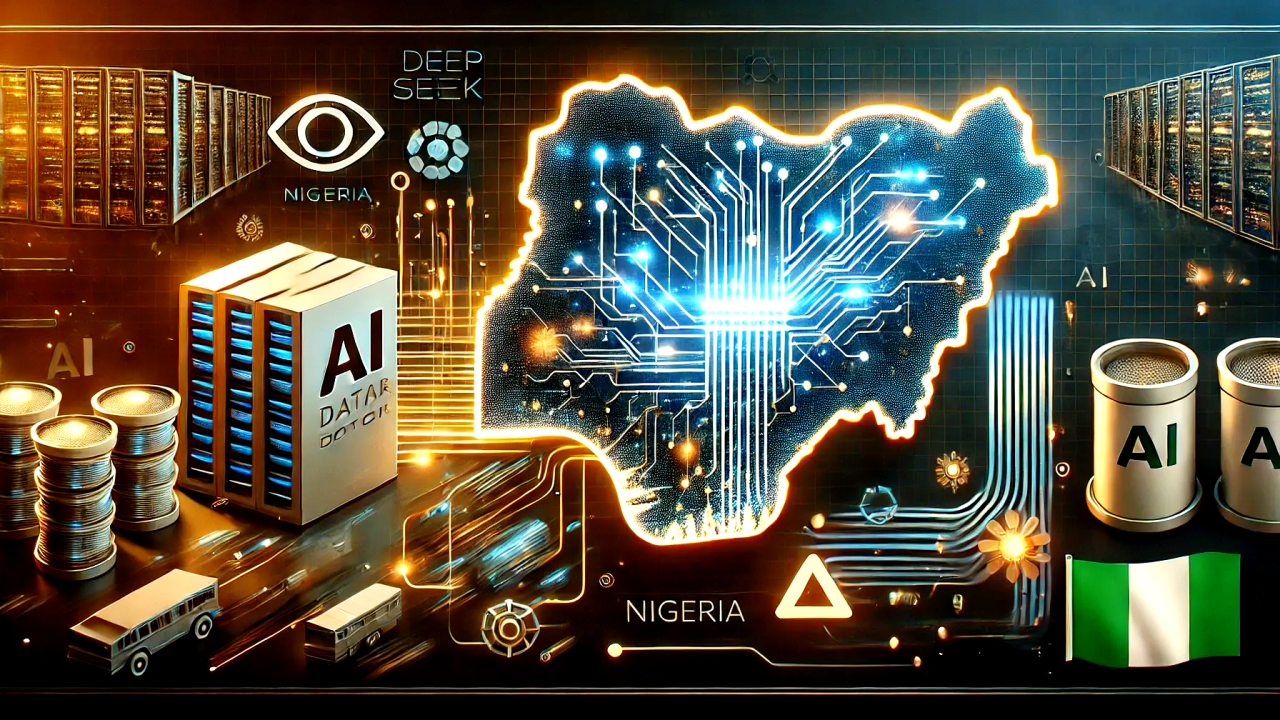

The conversation about the Fourth Industrial Revolution is no longer theoretical. Across the world, countries are restructuring their economies around data, automation, and artificial intelligence. These technologies are redefining how governments make decisions, how businesses operate, and how societies organise themselves. For Nigeria, the question is no longer whether this transformation will happen. The real issue is whether the country is sufficiently prepared to take advantage of it.
Artificial intelligence is rapidly becoming the engine driving the digital economy. Data is the fuel that powers it. Nations that possess accurate data systems, strong computing infrastructure, and a skilled workforce will dominate this era of technological competition. Those who lag behind risk becoming consumers of technology rather than creators of it.
Nigeria stands at a crossroads. With one of the largest populations in Africa and a youthful demographic that is increasingly digitally savvy, the country has immense potential to participate in this revolution. Yet the reality is that several structural gaps remain, ranging from weak data systems to limited investment in advanced computing infrastructure. The choices made today will determine whether Nigeria emerges as a technological leader in Africa or continues to trail behind nations that move faster.
The Critical Role of Data in Nigeria’s Digital Future
Data is the foundation of artificial intelligence. Without reliable data, even the most sophisticated AI systems cannot function effectively. For Nigeria, one of the biggest challenges has been the absence of consistent and trustworthy national data infrastructure.
A credible national population census, for instance, remains an essential building block for digital transformation. Accurate demographic information helps governments design effective policies, allocate resources efficiently, and train AI systems to analyse population patterns. Experts argue that modern census systems should rely on digital tools such as satellite imagery and biometric verification to produce reliable results.
Beyond population statistics, Nigeria also needs integrated national databases that connect different sectors of government and the economy. Health records, financial systems, identity databases, and social programmes often exist in isolation from one another. When these data sets remain fragmented, policymakers struggle to build intelligent digital systems capable of predicting trends or improving service delivery.
A unified data architecture would allow the government to harness analytics and machine learning for better governance. For example, predictive data systems could help anticipate disease outbreaks, detect financial fraud, and optimise infrastructure planning.
The importance of data is already evident in the rise of data-driven organisations across the country. Platforms such as Dataphyte are demonstrating how data science can transform information into insights that guide decision making in sectors such as governance, elections, health, and economic policy. By converting large volumes of information into machine-readable formats and analytical tools, organisations like these illustrate how data can strengthen transparency and accountability in Nigeria’s public life.
However, scaling such initiatives nationwide requires deliberate government policy. Without national standards for data collection, storage, and sharing, Nigeria risks building isolated technology projects rather than a coordinated digital ecosystem.
Nigeria’s Growing AI Ecosystem and Emerging Opportunities
Despite the challenges, Nigeria’s technology ecosystem has grown significantly in recent years. The country’s largest economic hub, Lagos, has evolved into one of Africa’s most vibrant technology centres. Many of the continent’s technology startups operate there, attracting international investment and innovation partnerships.
Artificial intelligence is gradually becoming part of this ecosystem. Nigerian startups are already experimenting with machine learning solutions in areas such as language technology, fintech, healthcare, and education.
One notable example is CDIAL AI, a technology firm focused on building AI tools that support African languages. Its multilingual digital products aim to bridge the gap between modern technology and indigenous languages, enabling millions of Africans to interact with digital platforms in their native tongues.
These types of innovations show that Nigeria has the creativity and entrepreneurial drive needed for the digital age. Local developers are not only using global technologies but are also adapting them to uniquely African contexts.
The country also benefits from a young population that is increasingly interested in digital careers. Recognising this advantage, the federal government launched the 3 Million Technical Talent Programme to train millions of Nigerians in digital skills including artificial intelligence, data science, cybersecurity, and software engineering. The initiative aims to build a workforce capable of competing in the global technology economy.
If implemented effectively, programmes like this could transform Nigeria into a major exporter of tech talent. In a world where digital expertise is in high demand, skilled Nigerians could contribute to global innovation while strengthening the country’s own technology sector.
Artificial intelligence also offers significant economic potential. Analysts estimate that AI could contribute trillions of dollars to the global economy within the next decade. Countries that invest early in AI research, infrastructure, and skills development will likely capture the largest share of this economic value.
For Nigeria, the opportunity extends beyond economic growth. AI could improve public services, expand financial inclusion, strengthen healthcare delivery, and enhance agricultural productivity.
Infrastructure, Skills and Policy Challenges
While Nigeria’s potential is undeniable, several obstacles continue to slow the country’s digital progress. One of the most significant challenges is infrastructure.
Advanced artificial intelligence systems require powerful computing resources, stable electricity, and high-speed internet connectivity. Unfortunately, many Nigerian institutions still struggle with basic infrastructure limitations. Frequent power outages and limited broadband access can make it difficult for researchers and startups to build sophisticated AI systems.
Another challenge is the shortage of specialised technical talent. Although Nigeria produces thousands of graduates every year, relatively few are trained in advanced areas such as machine learning engineering, data architecture, and AI ethics. Studies show that limited infrastructure and a lack of skilled professionals remain key barriers to AI adoption in the country.
Financial constraints also affect the adoption of artificial intelligence technologies. Implementing AI systems often requires expensive computing equipment, specialised software, and expert personnel. For many Nigerian organisations, particularly small businesses, these costs can be prohibitive.
Policy and regulatory issues add another layer of complexity. Nigeria still lacks comprehensive frameworks governing the ethical use of artificial intelligence, data privacy, and algorithmic accountability. Without clear regulations, both investors and innovators may hesitate to fully commit to AI development.
Research also suggests that developing economies often struggle to adopt technologies associated with the Fourth Industrial Revolution due to weak institutional frameworks and insufficient technological capacity.
For Nigeria to close this gap, policymakers must treat digital infrastructure and AI capability as strategic national priorities rather than optional technological upgrades.
The Path Forward for Nigeria’s AI Revolution
The Fourth Industrial Revolution is reshaping global competition. Countries are increasingly competing not only in traditional sectors such as manufacturing or natural resources but also in digital intelligence.
For Nigeria to remain competitive, several strategic steps are necessary.
First, the country must invest heavily in national data infrastructure. Reliable data systems should support everything from population statistics to economic forecasting and public service delivery. Without accurate data, artificial intelligence cannot function effectively.
Second, Nigeria must expand investment in research and education. Universities and research institutions should prioritise data science, machine learning, robotics, and related fields. Training programmes must go beyond theoretical instruction and focus on practical innovation.
Third, stronger collaboration between government, academia, and private industry is essential. Technology companies, research institutes, and policymakers must work together to build a sustainable digital ecosystem that encourages experimentation and innovation.
Fourth, Nigeria must strengthen its regulatory environment. Clear laws governing data protection, AI ethics, and digital security will create the trust needed for businesses and citizens to embrace emerging technologies.
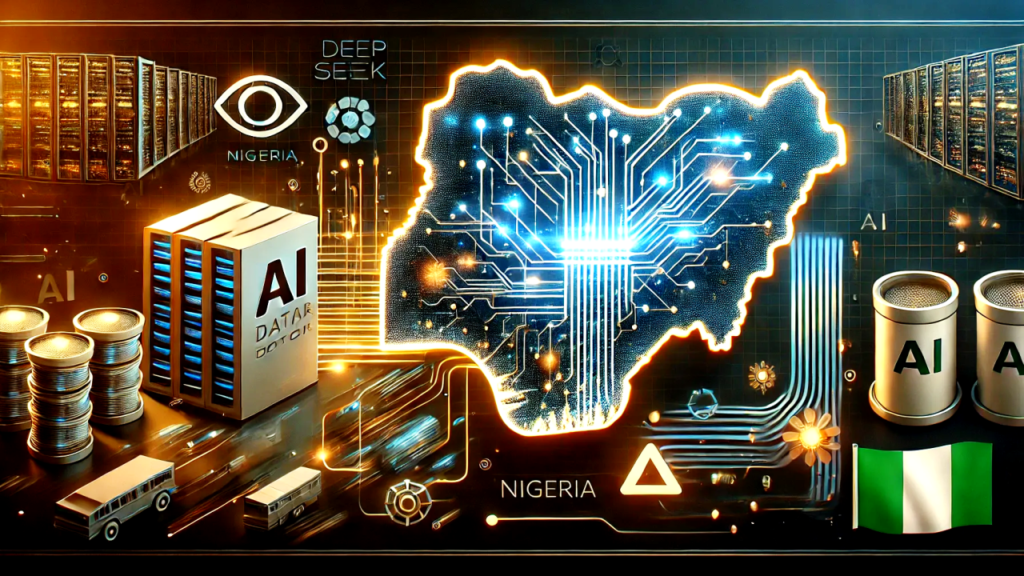
Encouragingly, Nigeria’s technology sector has already shown signs of resilience and creativity. From fintech innovations to language technology startups, Nigerian entrepreneurs continue to prove that local solutions can compete on the global stage.
Artificial intelligence will define the economic landscape of the coming decades. Nations that build strong digital foundations today will shape the industries of tomorrow.
For Nigeria, the opportunity is still within reach. The country possesses the population, creativity, and entrepreneurial spirit needed to thrive in the Fourth Industrial Revolution. What remains is the commitment to transform potential into reality.
If Nigeria succeeds in building robust data systems, training a new generation of AI experts, and investing in digital infrastructure, the country could become one of Africa’s leading technological powers. If it fails, the risk is clear: Nigeria could find itself watching from the sidelines as others drive the future of global innovation.
Join Our Social Media Channels:
WhatsApp: NaijaEyes
Facebook: NaijaEyes
Twitter: NaijaEyes
Instagram: NaijaEyes
TikTok: NaijaEyes