
Nigeria’s growing digital economy is putting fresh pressure on young people to understand money beyond the classroom, and fintech giant OPay is stepping deeper into that conversation through a new partnership with the Central Bank of Nigeria during Global Money Week 2026.
The initiative, which took place at the headquarters of the Central Bank of Nigeria in Abuja, gathered secondary school students from across the Federal Capital Territory for a financial literacy fair focused on savings, responsible spending, and navigating digital finance safely. The programme, themed “Smart Money Talks,” reflects a broader shift in Nigeria’s financial sector where regulators and fintech companies are now paying closer attention to financial education among teenagers and young adults.
Students from schools including Government Day Secondary School, Wuse, Government Science School, Maitama, Doveland International School, and Living Fountain International School participated in the event, which featured interactive learning sessions and exhibitions designed to simplify financial concepts for younger Nigerians.
For many participants, the event was more than another school outing. It was an introduction to conversations that increasingly shape everyday life in Nigeria, from digital payments and mobile banking to online savings and financial security. As smartphones and fintech apps become common among Nigerian youths, regulators and private companies are under growing pressure to ensure younger users understand both the opportunities and risks that come with digital finance.
Officials at the event stressed that financial literacy is no longer something reserved for bankers, investors, or business owners. Instead, it has become an essential life skill in a country where millions of transactions now happen digitally every day.
Speaking during the fair, senior officials from the apex bank described financial literacy as a major pillar for economic growth and consumer protection. According to the CBN, helping young Nigerians understand money management early can improve long-term financial stability for households and also support national economic development.
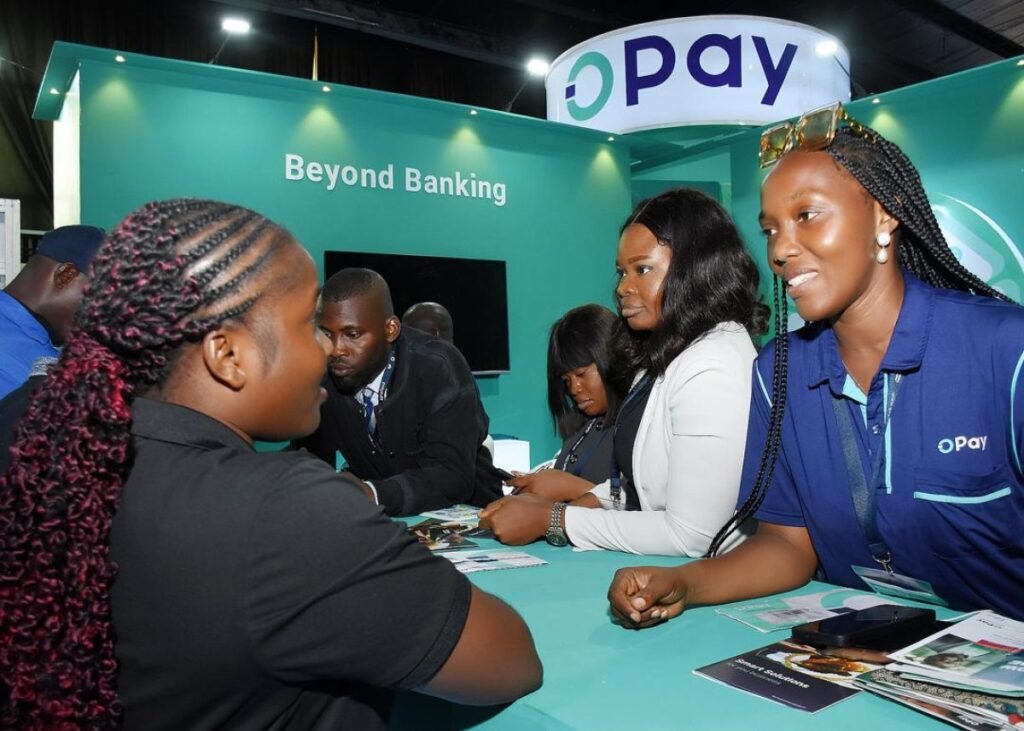
The event also highlighted how fintech firms are increasingly trying to position themselves not just as payment platforms, but as institutions involved in financial education and inclusion. OPay used the platform to reinforce its public image as a fintech company aligned with regulatory priorities around consumer trust, compliance, and responsible digital banking.
Industry observers say this shift is significant because Nigeria’s fintech sector has experienced increased regulatory scrutiny in recent years. The Central Bank of Nigeria has tightened oversight around customer onboarding processes, fraud prevention, and compliance standards as digital financial services continue to expand rapidly across the country.
Against that backdrop, partnerships like the Global Money Week initiative offer fintech companies an opportunity to publicly demonstrate cooperation with regulators while also connecting with future customers at an early age.
At the event, OPay representatives encouraged students to develop healthy money habits, understand the value of savings, and think critically about spending decisions in a fast-changing digital environment. Interactive sessions reportedly allowed students to engage directly with financial tools and digital products while learning practical lessons around budgeting and responsible financial behaviour.
The company also reiterated its belief that financial inclusion begins with education. Executives argued that introducing financial knowledge at a younger age could help create a generation better prepared for entrepreneurship, digital commerce, and economic participation.
That message aligns with wider conversations happening across Africa’s fintech ecosystem, where financial literacy is increasingly viewed as a key factor in driving financial inclusion. Research examining financial technology adoption among students and young adults has repeatedly shown that stronger financial knowledge often improves participation in formal financial systems.
Nigeria, in particular, has become one of Africa’s biggest fintech markets, with millions relying on mobile banking platforms for transfers, savings, payments, and business transactions. The rapid expansion of digital banking has transformed how many Nigerians interact with money, especially since the country’s cash shortage crisis accelerated the adoption of electronic payments.
Yet despite the growth, experts say many users still lack sufficient understanding of financial security, fraud awareness, budgeting, and long-term money management. This concern has become even more important as younger Nigerians gain earlier access to smartphones and digital payment platforms.
For regulators, the challenge now goes beyond simply expanding access to banking services. It also involves ensuring that users understand how to use those services responsibly and safely.
The Global Money Week initiative reflects that broader strategy. The international campaign, observed in multiple countries, is designed to help young people develop financial awareness and confidence from an early age. In Nigeria, the programme has increasingly become a platform for collaboration between financial institutions, schools, and regulators.
Observers note that financial education is becoming particularly important at a time when economic pressures are forcing many Nigerian families and students to think more carefully about money management. Rising living costs, inflation concerns, and changing economic conditions have made conversations around savings and financial planning more urgent for many households.

For students attending the event in Abuja, the lessons extended beyond theory. Organisers focused heavily on practical discussions around saving habits, making informed financial choices, and understanding how digital transactions work in real life.
The presence of fintech companies at educational events also signals how competitive Nigeria’s digital banking market has become. Companies are increasingly investing in public trust, education programmes, and youth engagement as part of broader brand-building strategies.
OPay itself has expanded aggressively in recent years, growing from a payment startup into one of Nigeria’s most recognised digital finance brands. The company has also invested in educational support initiatives, including scholarship programmes across tertiary institutions in the country.
While the Global Money Week event focused on secondary school students, analysts say the long-term target is much bigger. Financial institutions are aiming to shape how the next generation understands money before poor financial habits become deeply rooted.
There is also a growing belief among policymakers that stronger financial education can support broader economic goals. Experts argue that financially informed citizens are more likely to save effectively, avoid scams, manage debt responsibly, and participate productively in the economy.
That is especially relevant in a country where digital transactions are now central to everyday commerce. From market traders and transport payments to school fees and online shopping, financial technology has become woven into daily Nigerian life.
As a result, financial literacy is increasingly being treated as a national development issue rather than just a personal finance topic.
For students who attended the Abuja fair, the event may ultimately serve as an early introduction to financial independence in a rapidly digitising economy. For OPay and the CBN, meanwhile, the partnership represents another step in shaping how young Nigerians engage with money in the years ahead.
Back Story: Why Financial Literacy Is Becoming a Bigger Priority in Nigeria
Nigeria’s financial landscape has changed dramatically over the past decade. The rise of mobile banking, fintech apps, and cashless payment systems has transformed how millions of people handle money daily.
Companies like OPay, Moniepoint, PalmPay, and Kuda have expanded digital banking access far beyond traditional banking halls, bringing financial services closer to everyday Nigerians through smartphones and agent networks.
The shift accelerated further during Nigeria’s cash crunch period, when many citizens depended heavily on digital transactions amid limited access to physical cash. Studies examining digital banking trends in Nigeria found that awareness and acceptance of digital financial services increased significantly during and after the crisis.
However, the rapid growth also exposed gaps in financial education. Many users adopted digital finance tools without fully understanding issues such as fraud prevention, savings culture, online security, and responsible financial behaviour.
This has pushed regulators and fintech firms to pay greater attention to consumer education, particularly among young Nigerians who are growing up in an increasingly digital financial environment.
Global Money Week has now become one of the platforms through which these conversations are reaching students directly, as financial literacy moves closer to becoming a mainstream part of youth development in Nigeria.
Join Our Social Media Channels:
WhatsApp: NaijaEyes
Facebook: NaijaEyes
Twitter: NaijaEyes
Instagram: NaijaEyes
TikTok: NaijaEyes