
In a move aimed at promoting a well-ordered physical environment and safeguarding lives and property, the Ogun State Government has urged professionals in the environmental and built environment sector to strictly adhere to the newly approved planning and building regulations in the state.
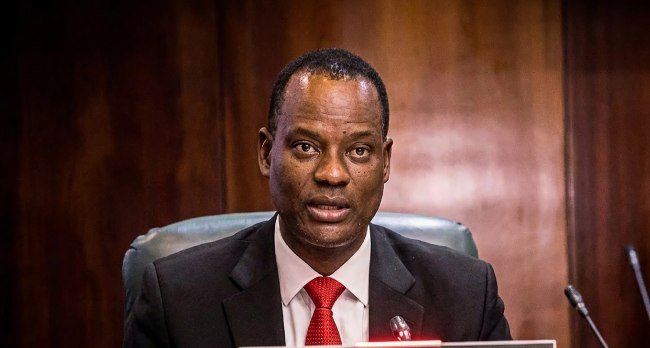
The Commissioner for Physical Planning and Urban Development, TPl. Olatunji Odunlami, gave the charge while declaring open a two-day workshop for accredited consulting firms and other stakeholders in the built environment on compliance with planning standards.
Odunlami noted that repeated lapses in compliance with existing regulations have led to delays in processing building approvals, which in turn cause project setbacks and increased development costs.
He described the workshop as timely and essential, stressing the importance of stronger adherence to approved standards.
According to him, physical development in the state had been guided by a principal law and five regulations introduced in 2022. However, due to rapid urban growth and emerging challenges, these regulations were reviewed and updated in 2025, alongside the introduction of the Ogun State Building and Construction Code 2025.
The Ogun Commissioner expressed concern that many professionals were either unaware or insufficiently informed about the updated regulations, pointing to recurring issues such as poorly prepared architectural designs, weak engineering documentation, and substandard technical reports that often fail to meet approval requirements.

He explained that the workshop was designed to serve as a platform for knowledge sharing between regulators and practitioners, urging participants to engage actively, contribute insights, and align their work with regulatory expectations to improve efficiency in the permit approval process.
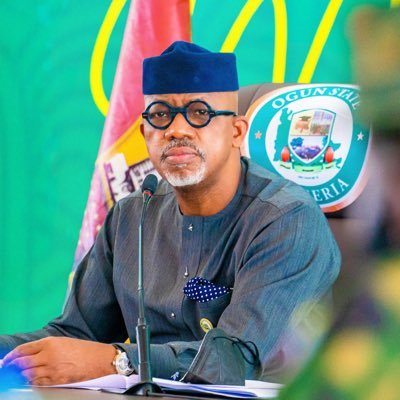
Odunlami reaffirmed the commitment of the Abiodun-led administration to sustainable urban development and encouraged professionals to familiarize themselves with the new rules and construction code, assuring that the ministry would continue improving its processes to better manage physical development across the state.
On accreditation concerns, he clarified that it is a statutory requirement and not a duplication of professional licensing, but rather an administrative system for maintaining a database of consulting firms working with the ministry.
The Permanent Secretary, in his remarks, encouraged participants to make full use of the workshop to deepen their understanding of the regulations, while warning ministry professionals against cutting corners or compromising standards.
Chairmen of various professional bodies also shared field experiences and delivered goodwill messages, urging members to uphold professionalism and support government reforms.
The workshop featured presentations on planning regulations, compliance frameworks, accreditation standards, and emerging challenges, with interactive sessions aimed at improving knowledge sharing and enhancing service delivery in the sector.