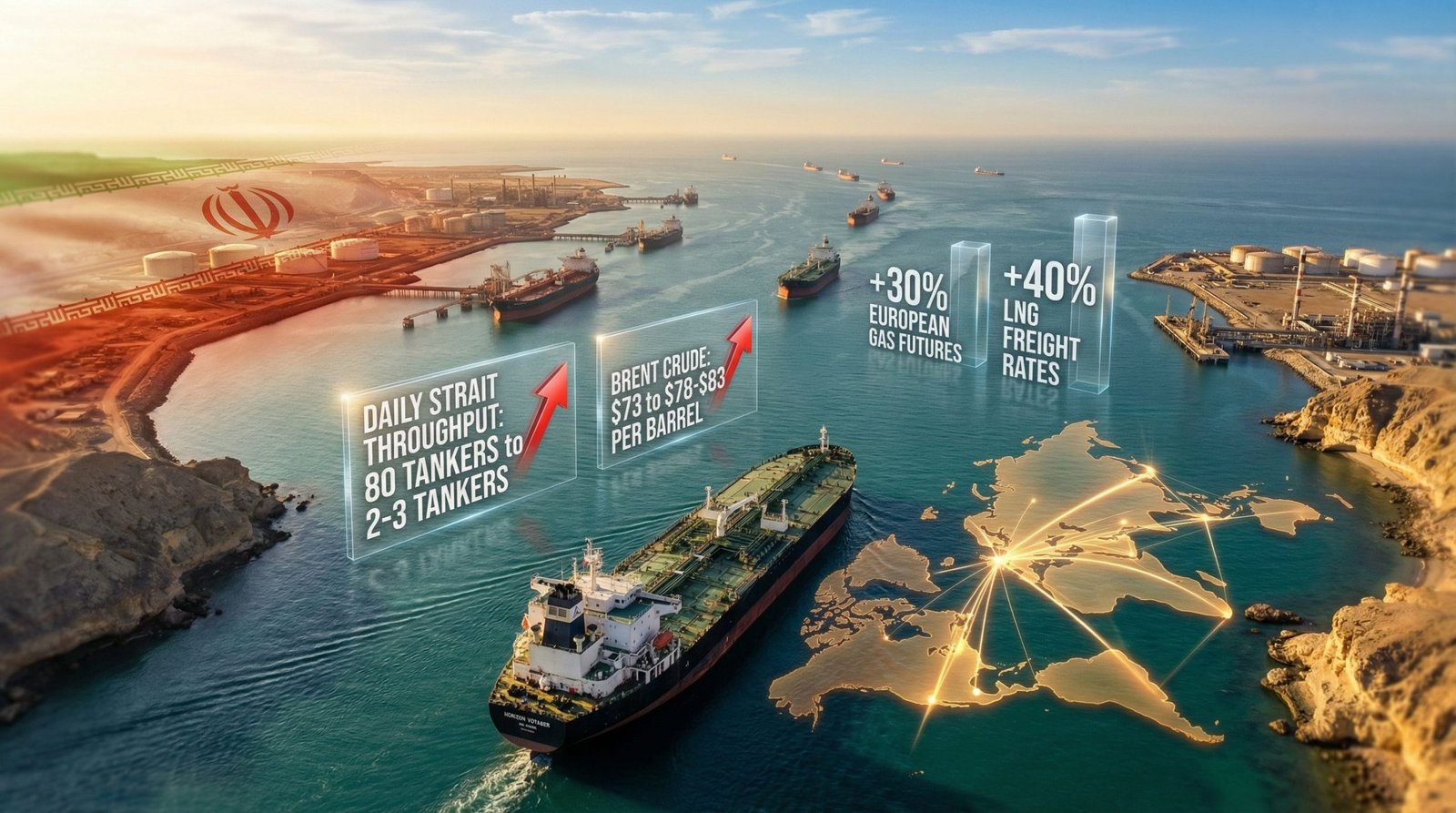

The global energy system has long been described as resilient, capable of absorbing shocks and adjusting to disruptions in supply or demand. Yet recent geopolitical tensions and market disruptions are forcing policymakers, economists, and energy experts to reconsider that assumption. What many once believed to be a flexible and self-correcting system is beginning to show signs of structural weakness.
Across continents, governments and businesses are discovering that the mechanisms that once allowed energy markets to stabilise quickly are no longer as reliable. Instead of absorbing shocks smoothly, the system increasingly reacts with volatility, price spikes, and supply insecurity. The consequences are already being felt from Europe to Asia and Africa, including Nigeria.
Recent geopolitical conflicts and disruptions to oil supply routes have revealed the hidden fragility beneath the surface of global energy markets. The issue is not simply the availability of oil or gas. It is the architecture of the entire system, which was designed around assumptions that no longer hold in a rapidly changing geopolitical and technological landscape, according to Modern Diplomacy.
This growing fragility is prompting serious questions about energy security, economic stability, and the pace of the global transition toward cleaner energy sources.
The Collapse of Elasticity in Global Energy Markets
For decades, energy economists relied on the concept of elasticity to explain how markets respond to disruptions. When supply fell, producers could increase output elsewhere. When demand surged, prices would rise temporarily before stabilising as new supply entered the market.
That balancing mechanism is increasingly failing.
Recent events have demonstrated that when shocks hit the energy system today, there is far less spare capacity to absorb them. Infrastructure limitations, geopolitical tensions, and concentrated supply routes mean that disruptions now ripple quickly across global markets.
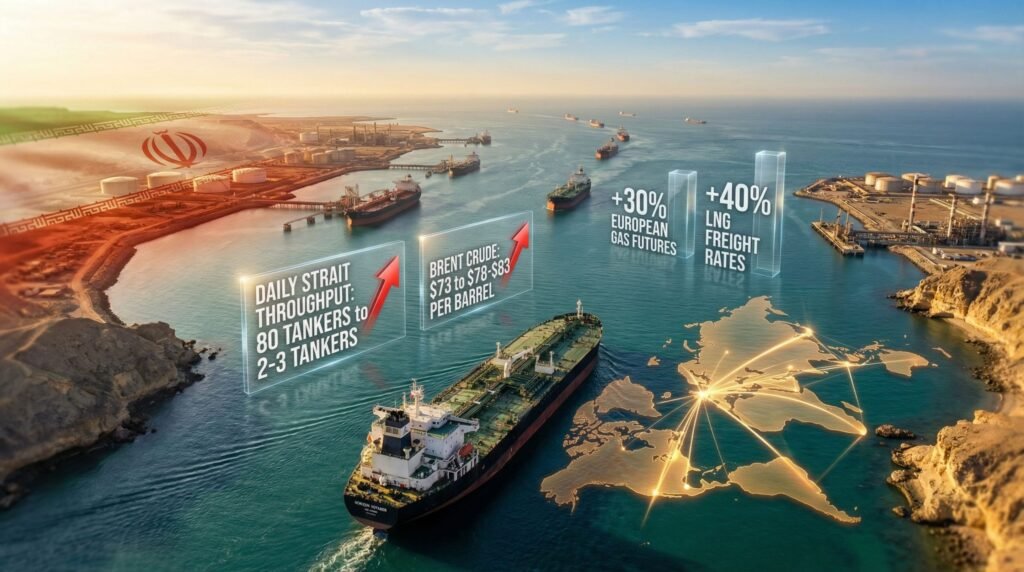
One striking example is the vulnerability of key shipping routes such as the Strait of Hormuz. Roughly one-fifth of global oil flows through this narrow passage, making it one of the most critical chokepoints in the energy system. When tensions or conflicts threaten this route, energy prices around the world react almost instantly.
This dependence on fragile supply chains means that the global energy market has become less flexible than many analysts previously assumed.
Even small disruptions can now trigger major economic consequences. Energy-importing countries face higher costs, currency pressure, and growing trade imbalances when supply shocks occur.
In other words, the elasticity that once helped stabilise global energy markets is weakening.
Why the Energy System Is Becoming More Fragile
Several structural factors are contributing to the increasing fragility of the global energy system.
The first is geopolitical fragmentation. Energy resources remain unevenly distributed across the world, and political tensions can quickly disrupt supply chains. Wars, sanctions, and diplomatic disputes have all played roles in recent energy shocks.
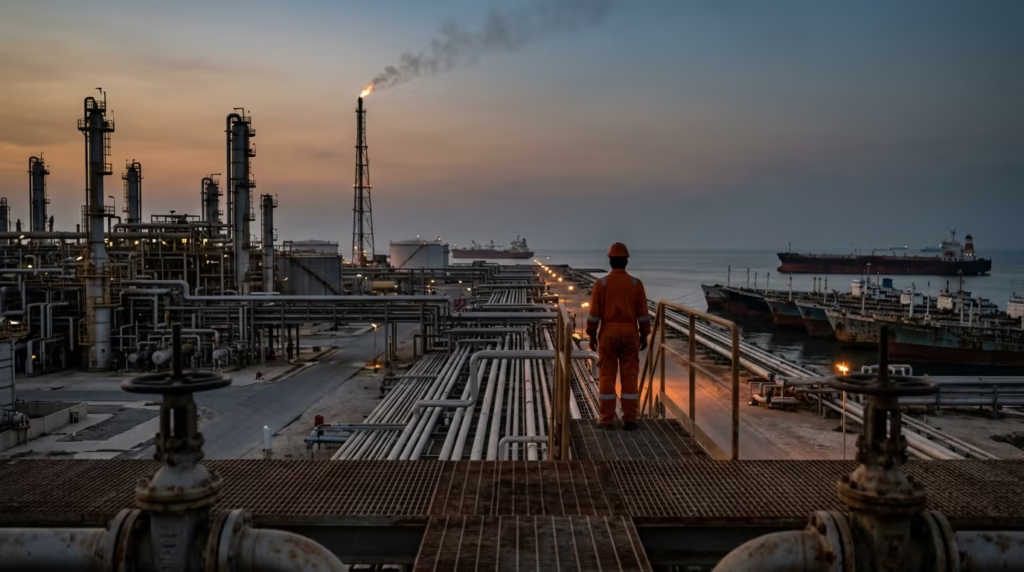
The second factor is infrastructure concentration. Much of the world’s oil and gas supply still depends on a small number of transport corridors, pipelines, and export terminals. When one of these nodes is disrupted, the effects cascade across multiple markets.
A third issue is the slow and uneven pace of the global energy transition. Although renewable energy is expanding rapidly, fossil fuels still dominate the global energy mix. This creates a hybrid system that relies on both old and new infrastructure, often without the flexibility required to manage sudden disruptions.
Energy resilience depends on the ability of a system to survive shocks and recover quickly. Modern economies depend heavily on an uninterrupted energy supply, meaning that disruptions have immediate economic and social consequences.
The increasing complexity of the global energy system also makes it harder to manage. Electricity grids, oil markets, gas pipelines, and renewable energy networks are becoming more interconnected. While this integration can improve efficiency, it also means that problems in one part of the system can spread rapidly to others.
The Push for Energy Independence and Cleaner Alternatives
These vulnerabilities are driving a renewed global push toward energy independence and diversification.
Energy experts argue that countries must reduce their dependence on fragile fossil fuel supply chains by investing more heavily in renewable energy and nuclear power. The reasoning is straightforward. Energy security increasingly depends on domestic generation and resilient electricity systems rather than imported fossil fuels.
Recent geopolitical conflicts have reinforced this view. Disruptions to oil supply routes have triggered price surges that affect economies far beyond the regions directly involved in the conflict.
Former United States Secretary of State John Kerry recently warned that dependence on fossil fuels exposes countries to strategic vulnerabilities. According to him, the latest energy shocks highlight the importance of building energy systems that are not dependent on unstable geopolitical chokepoints.
Many analysts believe that such crises could accelerate the global transition toward renewable energy. Wind, solar, and battery storage technologies offer more decentralised energy systems that are less vulnerable to single points of failure.
Decentralised energy systems can reduce the risks associated with concentrated supply chains by distributing generation across multiple locations. This approach improves flexibility and reduces vulnerability to disruptions.
However, transitioning to such systems will require significant investment and political commitment.
What the Fragile Energy System Means for Nigeria and the Global South
For countries like Nigeria, the growing fragility of the global energy system carries both risks and opportunities.
Nigeria remains one of Africa’s largest oil producers, yet millions of citizens still face unreliable electricity supply. Energy shortages already affect economic productivity, healthcare delivery, and education across the country.
Global energy instability could therefore have complex implications for Nigeria.
On one hand, rising oil prices during supply disruptions can increase government revenue from crude exports. On the other hand, volatility in global energy markets can make economic planning more difficult and expose the country to sudden financial shocks.
At the same time, Nigeria faces the challenge of balancing energy access with climate commitments. Expanding electricity generation while reducing emissions requires careful planning and investment in renewable energy infrastructure.
Experts argue that developing countries must avoid becoming trapped between outdated fossil fuel systems and incomplete renewable energy transitions. Instead, they must design energy strategies that prioritise resilience, flexibility, and affordability.
For Nigeria, this could involve investing in solar mini grids, improving national electricity transmission infrastructure, and encouraging private sector participation in energy generation.
The broader lesson from the current global energy turbulence is clear. The old assumption that energy markets will automatically stabilise themselves may no longer hold.
Instead, governments must actively design systems that can withstand shocks and adapt quickly to changing geopolitical and technological realities.
A System at a Crossroads
The global energy system is entering a decisive moment.
The vulnerabilities exposed by recent geopolitical tensions are forcing policymakers to rethink long-held assumptions about energy security. What once appeared to be a resilient and flexible system is now showing signs of structural strain.
For decades, the world relied on fossil fuel markets that seemed capable of balancing supply and demand across continents. Today, those mechanisms are increasingly fragile.
Yet this fragility may also accelerate transformation.
Energy crises have historically driven innovation and policy change. The oil shocks of the 1970s reshaped global energy strategies and led to new efficiency standards and strategic reserves.
Today’s disruptions could trigger a similar wave of transformation.
Countries that invest early in resilient, diversified energy systems may find themselves better prepared for the uncertainties ahead. Those who cling to outdated models risk repeated cycles of crisis and instability.
The message emerging from current global events is unmistakable. Energy security is no longer just about having enough fuel. It is about building systems capable of adapting to an unpredictable world.
And in that world, flexibility may become the most valuable resource of all.
Join Our Social Media Channels:
WhatsApp: NaijaEyes
Facebook: NaijaEyes
Twitter: NaijaEyes
Instagram: NaijaEyes
TikTok: NaijaEyes